
Laptop Heat Linked to 'Toasted Skin Syndrome' in Children
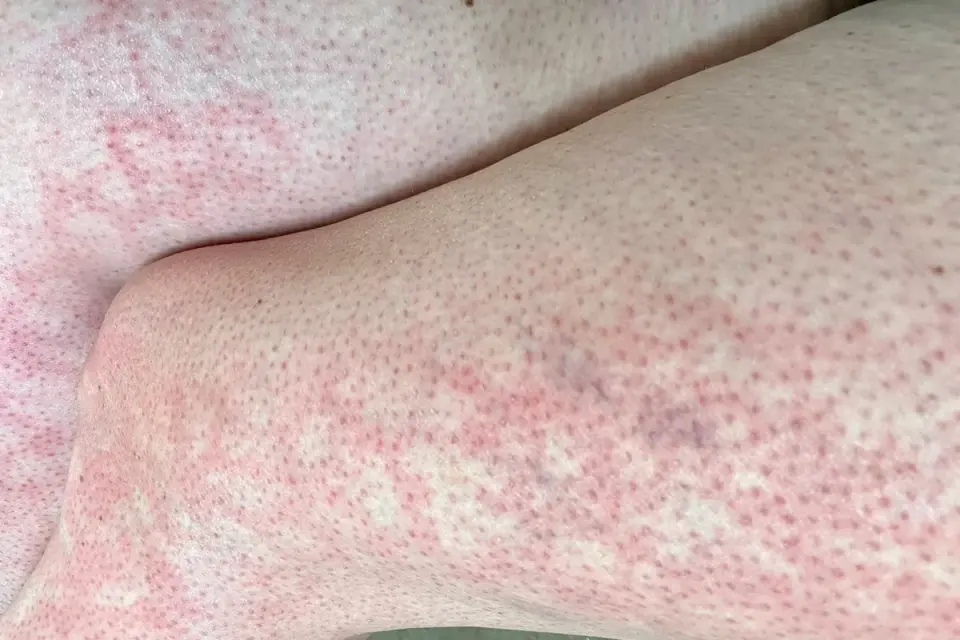
Doctors warn that prolonged laptop use can cause 'toasted skin syndrome' in children, a benign but visible rash caused by heat exposure.
Key points
- A case study in BMJ Case Reports details a boy who developed a honeycomb-patterned rash on his abdomen after using a laptop for up to eight hours daily.
- The condition, known as erythema ab igne, results from prolonged exposure to mild heat that damages superficial blood vessels.
- Symptoms typically resolve once the heat source is removed, though rare cases have been linked to pre-cancerous cell changes.
- Medical professionals emphasize the need for targeted history-taking to diagnose the condition in children, as it is often overlooked in pediatric cases.
Background
Recent coverage has highlighted various health risks associated with technology use, including dermatological concerns from tanning trends and broader issues related to screen time affecting sleep and posture. This new report adds a specific thermal injury risk to the list of potential harms from device overuse.
How outlets are covering it
The Independent highlights the growing prevalence of the condition among children using digital gadgets, framing it as a broader public health warning. New Atlas provides a detailed clinical perspective, noting that while the rash is usually benign, physicians must consider it during diagnosis to avoid unnecessary medical investigations. The Telegraph source was inaccessible due to a security block, so its perspective could not be synthesized.
Why it matters
Parents and caregivers need to be aware that the heat generated by laptops and other devices can cause visible skin changes in children. Recognizing this condition can prevent misdiagnosis and unnecessary medical procedures, while also prompting safer device usage habits.
What to watch
Medical professionals are urging targeted history-taking when evaluating unexplained rashes in children. Parents are advised to monitor for heat-related skin changes and ensure children take regular breaks from device use to prevent prolonged heat exposure.
- Doctors issue warning after children suffer ‘toasted skin syndrome’ from overusing devices The Independent
- Children develop ‘toasted skin syndrome’ from overuse of electronics The Telegraph
- Child's mysterious skin condition traced back to how he uses a laptop New Atlas
- Horrifying pics reveal why gaming and YouTube for hours on end is putting kids at risks of burns The Sun
- Resting your laptop on your lap for long periods could risk skin disfiguration scimex.org
Want the full story? Read the original reporting
Read on The Independent