
Laptop Heat Linked to 'Toasted Skin Syndrome' in Children
Doctors warn that prolonged laptop use can cause 'toasted skin syndrome' in children, a benign but visible rash caused by heat exposure.

All articles tagged with #skin
Doctors warn that prolonged laptop use can cause 'toasted skin syndrome' in children, a benign but visible rash caused by heat exposure.

The piece discusses social media stories about the luteal phase, where many women report changes in appearance, skin, bloating and mood. Experts explain these shifts come from hormonal changes (falling estrogen and rising progesterone) that can affect skin, fluids, and cognition. It stresses the need for better education about menstrual cycles, and offers coping tips like staying hydrated, nutrition, reducing salt and alcohol, and staying active, while advising medical help if symptoms are severe.

A look at the peptide craze across skincare, anti-ageing injections and GLP-1 weight‑loss drugs, explaining that peptides are short amino‑acid messengers that can boost collagen, reduce inflammation, or aid tissue repair; the piece describes high‑tech facial treatments and delivery methods, notes the cost, and warns about unlicensed, grey‑market injections with uncertain safety data, citing experts who urge caution and emphasize robust testing and licensed products.

Researchers used mice to uncover why scratching bug bites feels satisfying but often makes the irritation worse. By applying irritants to the mice and using cones to prevent scratching, scientists observed more swelling and immune-cell activity when scratching occurred, while keeping the itch un-scratched led to milder inflammation. The work helps explain the itch-scratch cycle and why the initial relief from scratching is temporary and potentially harmful.

A large umbrella review of 113 clinical trials (nearly 8,000 participants) finds collagen supplements can modestly improve skin hydration and elasticity, joint pain (notably osteoarthritis), and muscle health, especially with hydrolyzed peptides and consistent use. However, effects vary by product, dose, and study quality, and many trials were small, short, or methodologically limited, making long-term conclusions uncertain. More standardized, rigorous research is needed to confirm which products and regimens are most beneficial.

Chiggers are tiny mites that cling to clothing and transfer to skin, where six‑legged larvae release a digestive enzyme to liquefy skin and feed through a stylostome, causing intense itching after a lag of a few hours. Bites commonly appear on ankles, lower legs, backs of knees, waist and groin, with itching peaking in 24–48 hours. Treatments focus on itch relief (soap and water, calamine, cold compresses, antihistamines) and, for prevention, wear protective clothing, use insect repellent, treat garments, and avoid grassy/wooded areas in summer.

New findings show daily grape consumption (three servings) for two weeks alters skin gene expression and lowers UV-induced oxidative stress, suggesting grapes act as a nutrigenomic 'superfood' that could bolster the skin’s protective barrier and potentially affect other tissues.

A health-focused piece warns that beach outings can carry six common rashes and infections from ocean water or sand, caused by bacteria, fungi, parasites, or fecal contamination; it recommends practical prevention steps such as rinsing off after swimming, wearing sandals on sand, avoiding barefoot exposure in polluted areas, covering wounds, showering after beach time, washing hands, and heeding local beach advisories to minimize risk.
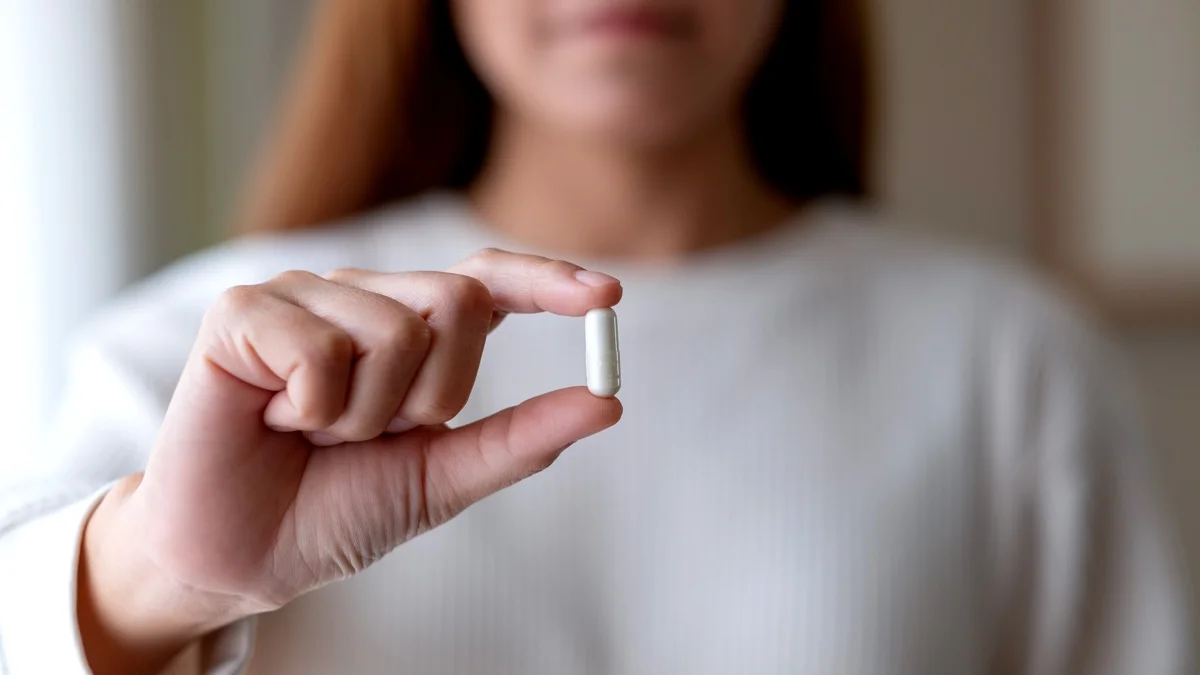
A large synthesis of 113 clinical trials and 16 systematic reviews (nearly 8,000 participants) finds collagen supplements offer modest but real benefits: improvements in muscle health and osteoarthritis pain, plus better skin hydration and elasticity with consistent, longer-term use. However, results vary by product type, dose, and study quality, and many trials are short or poorly designed, leaving long-term effects and who benefits most still unclear; more standardized research is needed.

Researchers generated an organ-wide, MERFISH-based single-cell spatial atlas of about 1.2 million cells from normal adult human skin, spanning 15 body sites and 22 donors, resolving 45 cell types and 10 multicellular neighborhoods. They highlight a perivascular neighborhood reminiscent of skin-associated lymphoid tissue (SALT) where TNF coordinates immune–fibroblast crosstalk, with CCL19+ fibroblasts proximal to vessels playing a central role. By integrating MERFISH with scRNA-seq and Visium data, they map site-specific cellular compositions, neighborhood dynamics, and ligand–receptor signaling, and show pan-disease immune alterations in the perivascular niche across skin conditions. An interactive web tool is provided to explore these data, underscoring spatial organization as a key driver of skin biology and disease.

A large review of 113 trials (about 8,000 participants) finds collagen can modestly improve skin hydration and elasticity and reduce osteoarthritis joint pain with consistent, long-term use, plus small gains in lean mass. It does not enhance post-exercise recovery or tendon properties, and effects on blood pressure, cholesterol, blood sugar, or oral health are inconclusive. Collagen is not a miracle cure and should be used with realistic expectations and medical guidance.

A real aging odor is produced by 2-nonenal, a fatty aldehyde whose production increases with age as skin antioxidant defenses decline, sebum changes, and environmental stress accumulate; the scent typically appears after age 40 and is more noticeable in the 50s, though it varies by genetics, skin type, and lifestyle. It clings to skin and fabrics and isn’t easily washed away, and while some people may not notice it themselves due to olfactory adaptation, there’s no proven cure. Experts suggest skincare with antioxidants and practices that reduce aldehyde persistence (like certain tannin-containing cleansers) and careful laundering to minimize the odor, framing aging as a natural change rather than a hygiene problem.

A review of 113 trials with about 8,000 participants finds daily collagen can improve skin elasticity and hydration over time but does not prevent wrinkles; it may also ease joint pain, though it is not a cure-all. Benefits come with consistent use and vary by supplement type (marine, bovine, vegan) with no clear winner. Diets rich in vitamin C and zinc support collagen production, and more dermatology-focused studies are needed to confirm these effects.

Scientists describe Haolong dongi, a juvenile iguanodontian from northeastern China, with hollow, porcupine-like spikes along its neck, back, and sides. The 2.45 m skeleton is exceptionally well-preserved, but the spikes’ purpose remains unclear—defense, display, or sensing—while pigment was not detected and they are not protofeathers. The discovery broadens our view of dinosaur skin and was published in Nature Ecology & Evolution (2026).

Rockefeller University researchers found that when serine levels drop, the integrated stress response activates and hair follicle stem cells reduce hair production to prioritize skin repair, speeding wound healing; boosting serine has limited effect due to the body's tight control over its circulation, though restoring serine in cells lacking it can partly rescue hair growth—pointing to diet or drug strategies to modulate serine/ISR for faster healing.