Tag

Porphyromonas Gingivalis

All articles tagged with #porphyromonas gingivalis

Bean-Gum Chewing Gum Targets Cancer-Linked Oral Microbes, Trials Ahead
health1 month ago

Bean-Gum Chewing Gum Targets Cancer-Linked Oral Microbes, Trials Ahead

Researchers have developed a chewing gum made from lablab bean proteins that could help fight head and neck cancer by reducing oral microbes linked to the disease. In ex vivo tests, the gum lowered HPV levels by about 93% in saliva, and when bioengineered to include an antimicrobial peptide, it nearly eliminated Porphyromonas gingivalis and Fusobacterium nucleatum without disturbing beneficial mouth bacteria. The approach targets infection locally at the site of cancer risk and could complement existing therapies. Trials are being planned in London and at the University of Pennsylvania in the U.S. to evaluate its effectiveness in HNSCC patients.

Microbiome-Safe Toothpaste Targets Gum Disease Without Killing Beneficial Bacteria
biotechnology-dentistry3 months ago

Microbiome-Safe Toothpaste Targets Gum Disease Without Killing Beneficial Bacteria

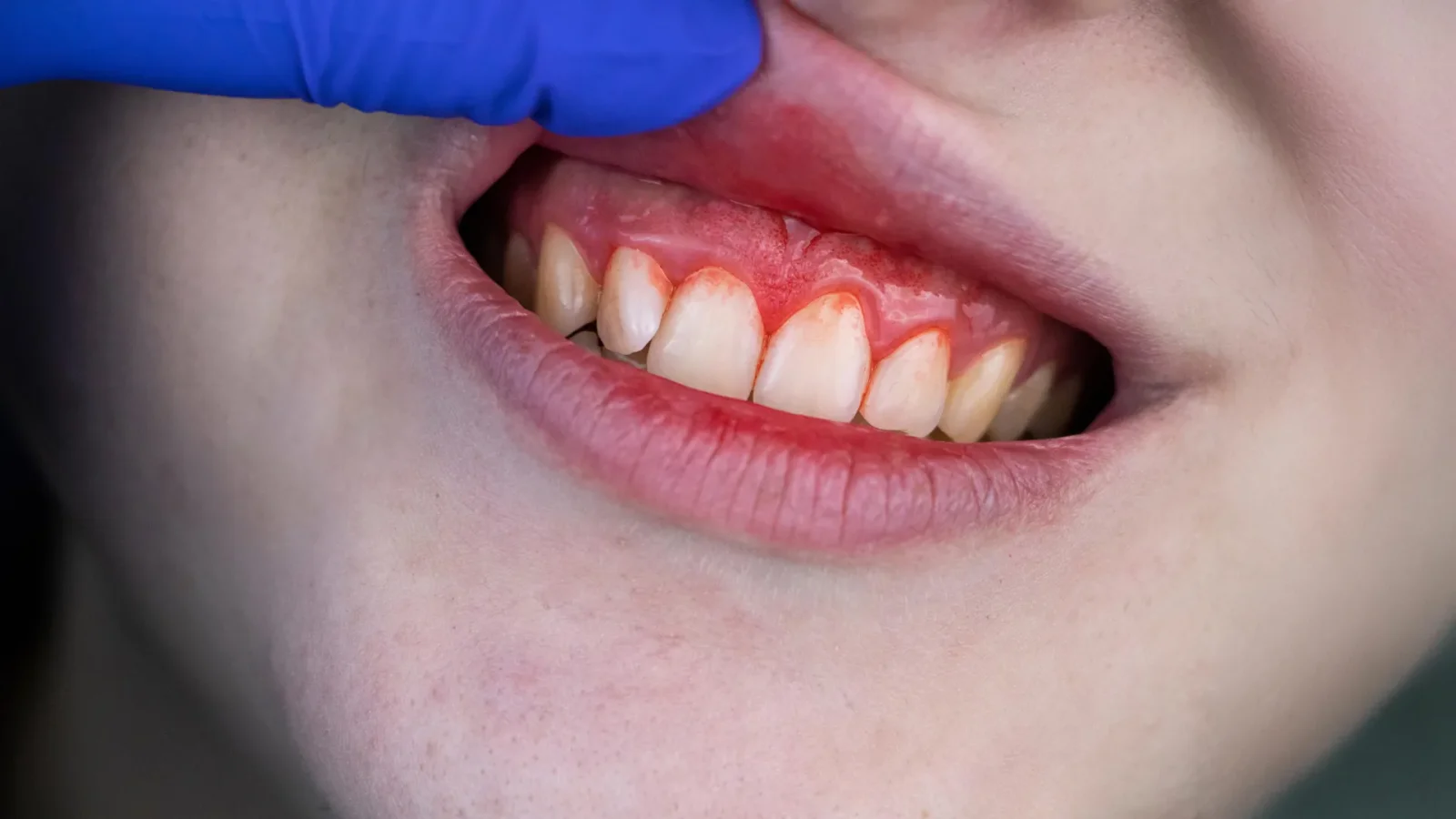
Researchers have developed a microbiome-friendly toothpaste that uses a targeted compound to inhibit the gum-disease pathogen Porphyromonas gingivalis without disrupting the broader oral microbiome, allowing beneficial bacteria to rebalance the mouth and potentially reduce periodontitis. The approach, developed with PerioTrap and Fraunhofer institutes, also spawns post-cleaning products like a care gel, with ongoing development of additional oral-care solutions.

The Oral-Gut Connection: Exploring the Link Between Infection and Alzheimer's
health2 years ago

The Oral-Gut Connection: Exploring the Link Between Infection and Alzheimer's

A growing body of scientific research suggests that Alzheimer's disease may be caused by an infection, with one study linking the pathogen Porphyromonas gingivalis, responsible for gum disease, to the brains of deceased Alzheimer's patients. In experiments with mice, oral infection with the bacteria led to brain colonization and increased production of amyloid beta, a protein associated with Alzheimer's. The researchers also identified toxic enzymes called gingipains secreted by the bacteria in the brains of Alzheimer's patients, even in those who were never diagnosed with the disease. A compound called COR388 showed promise in reducing bacterial load and amyloid-beta production in mice. Further research is needed to fully understand the link between gum disease and Alzheimer's.