
Blueberry Compound Pterostilbene Stabilizes Protein to Burn Muscle Fat
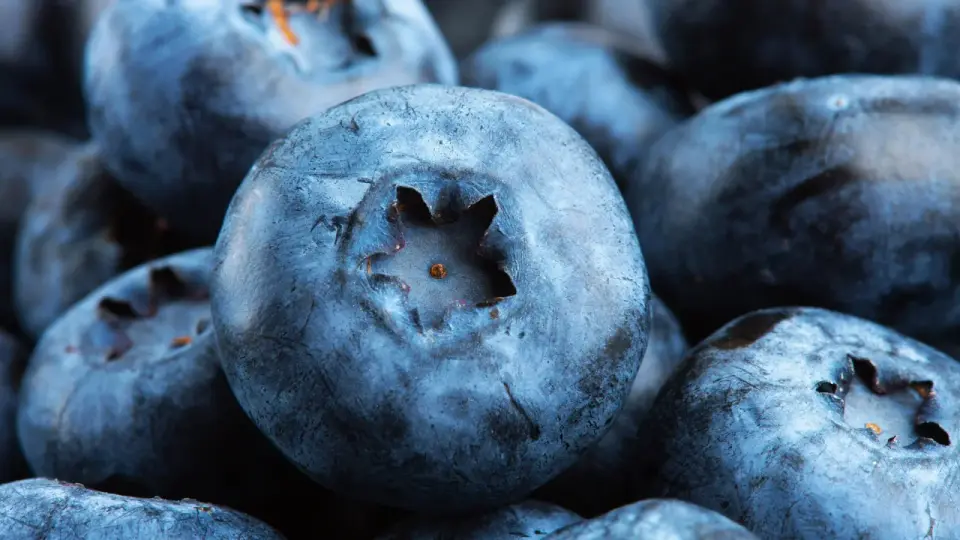
Researchers at Shinshu University found that pterostilbene, a polyphenol found in blueberries, reduces fat accumulation in muscle cells by stabilizing the PPARδ protein. This mechanism prevents the protein from breaking down, thereby enhancing fat oxidation. The study, published in Food Bioscience, suggests potential for future functional foods targeting metabolic diseases, though current evidence is limited to mouse cell cultures.
Key points
- Excess fat inside skeletal muscle cells, known as myosteatosis, impairs glucose usage and contributes to insulin resistance, particularly in aging populations.
- A team led by Associate Professor Takakazu Mitani identified pterostilbene as a natural compound that significantly reduces intracellular lipid accumulation in mouse muscle cells.
- Unlike other agents that directly activate the PPARδ receptor, pterostilbene works by preventing the protein's degradation via the ubiquitin-proteasome pathway, increasing its availability.
- Treated cells showed increased glycerol release and higher expression of genes involved in fatty acid oxidation, indicating active fat breakdown for energy.
- The findings were published in Volume 83 of the Food Bioscience journal on September 1, 2026, highlighting a new mechanism for dietary intervention in metabolic health.
Background
This research follows a series of recent studies on metabolic compounds, such as TOFA and LASSS, which have shown promise in animal models for weight loss and muscle preservation. While those earlier studies focused on liver fat or muscle disuse, the current work specifically targets lipid accumulation within skeletal muscle cells, a distinct metabolic concern linked to aging and insulin resistance.
Why it matters
The discovery offers a potential non-pharmaceutical approach to managing myosteatosis, a condition with no approved treatments. By identifying a natural compound that stabilizes key metabolic proteins, the study provides a framework for developing functional foods that could address obesity and type 2 diabetes. However, the results are currently limited to in vitro experiments, requiring further animal and human trials to confirm safety and efficacy.
What to watch
Future research will focus on in vivo studies to determine if pterostilbene's effects translate to whole organisms. Scientists must also evaluate the compound's safety, selectivity, and long-term impact before it can be developed into practical nutritional supplements or pharmaceutical applications.
Want the full story? Read the original reporting
Read on Science Daily