Tag

Skeletal Muscle

All articles tagged with #skeletal muscle

Massive Muscle Genome Map Links 3,500 Disease Signals to Cell-Specific Regulation
science2 hours ago

Massive Muscle Genome Map Links 3,500 Disease Signals to Cell-Specific Regulation

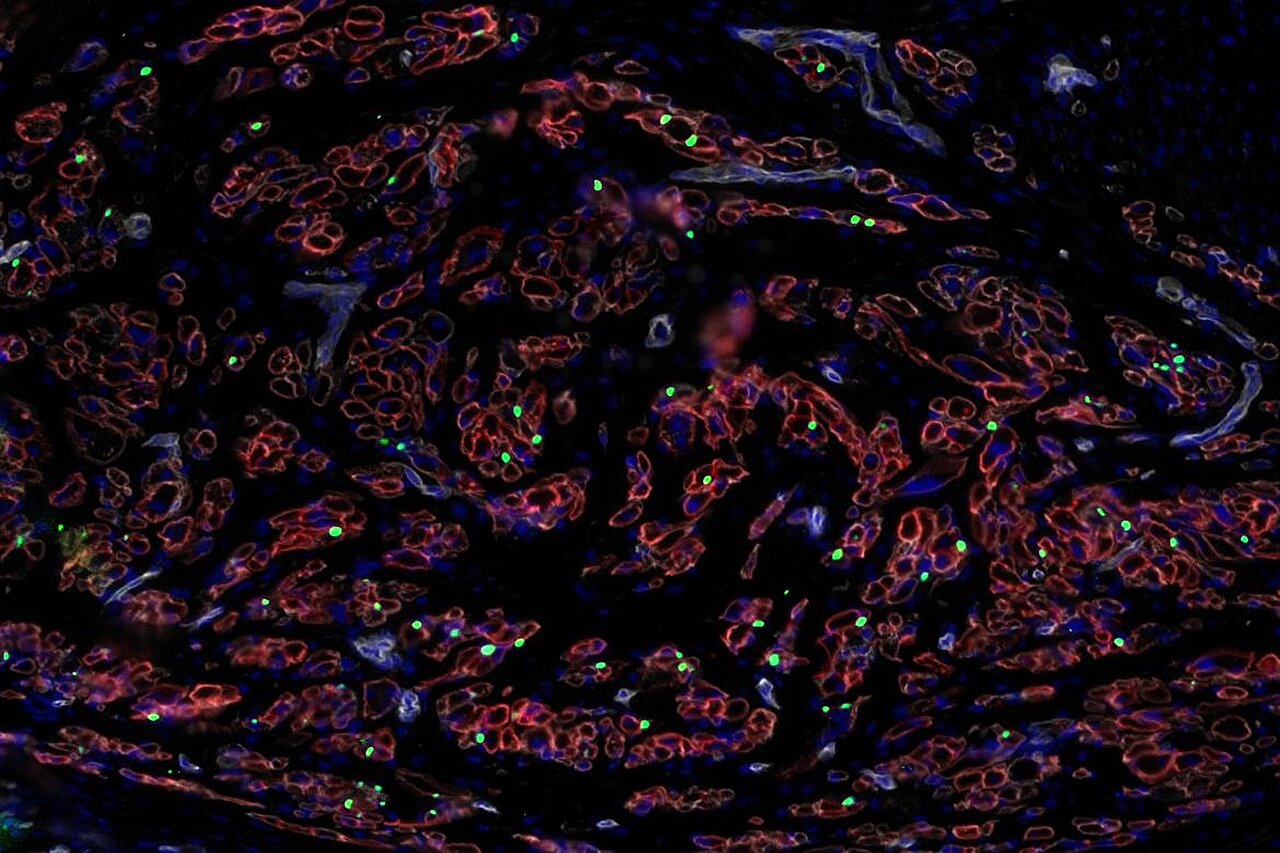
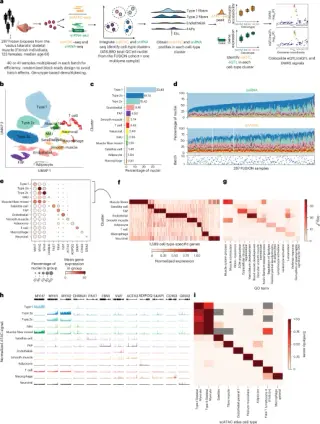
Researchers have created the largest single-nucleus map of human skeletal muscle, identifying 13 distinct cell types and linking thousands of genetic variants to specific regulatory mechanisms. This study reveals how genetic differences influence gene expression and chromatin accessibility in muscle, providing new insights into metabolic diseases like type 2 diabetes.
Miro1 Accumulation Identified as Key Driver of Muscle Insulin Resistance in Type 2 Diabetes
health-and-medicine9 days ago

Miro1 Accumulation Identified as Key Driver of Muscle Insulin Resistance in Type 2 Diabetes

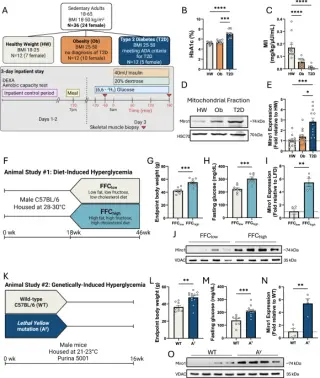
A new study identifies Miro1, a mitochondrial membrane protein, as a central regulator of insulin resistance in type 2 diabetes. Researchers found that Miro1 accumulates in the skeletal muscle of diabetic patients and mice, impairing glucose uptake and oxidative capacity. This buildup results from defective insulin signaling at the mitochondrial level, specifically a failure of AKT to interact with Miro1. Crucially, a randomized controlled trial demonstrated that 12 weeks of exercise training reduces Miro1 accumulation, improves mitochondrial structure, and restores insulin sensitivity. Genetic deletion of Miro1 in mice confirmed that its removal enhances glucose disposal and mitochondrial function, suggesting it as a potential therapeutic target.

Cardiolipin Decline Drives Muscle Fiber Shifts in Aging
health-and-science29 days ago

Cardiolipin Decline Drives Muscle Fiber Shifts in Aging

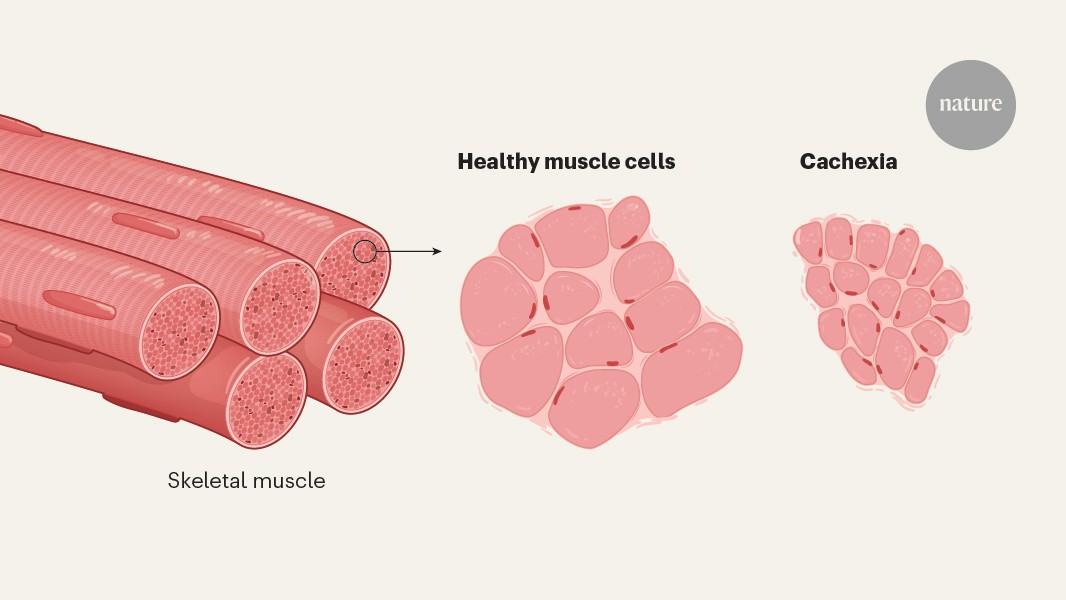
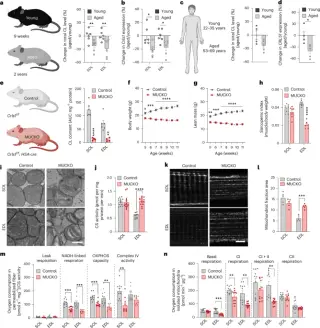
A new study in Nature Aging reveals that the decline of the mitochondrial lipid cardiolipin is a primary driver of muscle fiber type changes during aging. By depleting this lipid in young mice, researchers reproduced age-related muscle shifts and found that restoring it reversed atrophy and improved survival. While this highlights internal cellular mechanisms, other recent research points to nerve-muscle communication failures as a separate, reversible cause of age-related weakness.

Blueberry Compound Pterostilbene Stabilizes Protein to Burn Muscle Fat
health-and-science1 month ago

Blueberry Compound Pterostilbene Stabilizes Protein to Burn Muscle Fat

Researchers at Shinshu University found that pterostilbene, a polyphenol found in blueberries, reduces fat accumulation in muscle cells by stabilizing the PPARδ protein. This mechanism prevents the protein from breaking down, thereby enhancing fat oxidation. The study, published in Food Bioscience, suggests potential for future functional foods targeting metabolic diseases, though current evidence is limited to mouse cell cultures.

L-BAIBA Identified as Key Exercise Signal for Muscle Adaptation and Diabetes Protection
science2 months ago

L-BAIBA Identified as Key Exercise Signal for Muscle Adaptation and Diabetes Protection

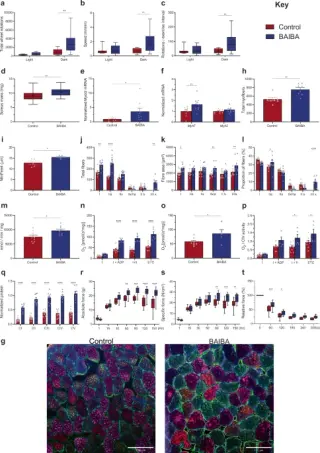
Researchers at the University of Leeds have identified L-β-aminoisobutyric acid (L-BAIBA) as a critical metabolite that mediates skeletal muscle adaptation to exercise. Published in Nature Communications, the study demonstrates that L-BAIBA, produced via the PGC1α-BAIBA-PPARδ axis, enhances muscle fiber remodeling, mitochondrial function, and contractile force in mice. In humans, plasma L-BAIBA levels correlate with aerobic fitness and increase with endurance training. The findings suggest L-BAIBA could serve as a therapeutic target for muscle dysfunction in type 2 diabetes, potentially mimicking exercise benefits in patients unable to train.

science3 months ago

New Study Finds Long COVID and ME/CFS Muscle Changes Exceed Those Caused by Bed Rest

A study in Nature Communications reveals that skeletal muscle adaptations in patients with long COVID and myalgic encephalomyelitis/chronic fatigue syndrome (ME/CFS) differ significantly from those caused by 60 days of bed rest in healthy individuals. While bed rest leads to muscle atrophy without changing fiber types, patients exhibit more glycolytic fibers and specific type I atrophy. The findings suggest that physical inactivity alone cannot explain the reduced exercise capacity and muscle changes in these conditions.

Vitamin B12: fueling aging muscles by reviving mitochondrial energy
science5 months ago

Vitamin B12: fueling aging muscles by reviving mitochondrial energy

New Cornell-led research shows that even modest Vitamin B12 shortfalls can degrade aging muscle energy by harming mitochondria: B12 deficiency reduces mitochondrial DNA integrity and respiratory capacity, while short-term B12 supplementation in older mice doubled mitochondrial complex IV activity and boosted energy, suggesting blood B12 levels could guide precision nutrition to counter age-related muscle decline.

"Unveiling the Atlas of Aging: Understanding and Combatting Muscle Weakness"
health2 years ago

"Unveiling the Atlas of Aging: Understanding and Combatting Muscle Weakness"

Researchers have created the first comprehensive atlas of aging muscles in humans, shedding light on the cellular and molecular changes that occur with aging. The study reveals new cell populations and compensatory mechanisms that muscles employ to combat aging, offering potential avenues for future therapies and interventions to improve muscle health and quality of life as we age. The findings provide valuable insights into healthy skeletal muscle aging and have the potential to inform strategies for promoting healthier aging in future generations.

Revolutionary Stem Cell Research Promises Muscle Regeneration
science-and-technology3 years ago

Revolutionary Stem Cell Research Promises Muscle Regeneration

Researchers at UCLA have made progress in developing stem cell therapies for regenerating skeletal muscle in humans. By transplanting lab-grown muscle stem cells into mice, they discovered the importance of the stem cell "niche" in supporting the survival and function of the cells. Removing existing stem cells and optimizing the muscle niche allowed the transplanted cells to persist and repair muscle injuries. The study highlights the need to optimize both the muscle niche and the muscle progenitor cells themselves for successful stem cell therapies in the future.

Unveiling the Crucial Role of Musashi-2 Protein in Muscle Regulation and Development
medical-science-news3 years ago

Unveiling the Crucial Role of Musashi-2 Protein in Muscle Regulation and Development

Researchers from Tokyo Metropolitan University have discovered that the protein Musashi-2 (Msi2) plays a crucial role in regulating muscle mass and metabolic processes in skeletal muscle. By studying mice with the Msi2 gene knocked out, they found a decrease in muscle mass due to a reduction in type 2a muscle fibers, as well as decreased myoglobin and mitochondria. Understanding the regulation of type 2a fibers could lead to new therapies for muscle-related conditions and improve training regimens for muscle strength.

The Mysterious Link Between Cold Exposure and Metabolism
health3 years ago

The Mysterious Link Between Cold Exposure and Metabolism

New research challenges the prevailing belief that brown adipose tissue (BAT) is responsible for the metabolic benefits of cold exposure. A team of Canadian researchers argues that skeletal muscles, not BAT, are the primary heat generator and drive the metabolism of glucose and lipids in cold temperatures. While BAT has been linked to lower body mass indices and improved metabolic health, it is only detectable in a small percentage of adults even in cold conditions. The researchers suggest that a more integrated perspective is needed, focusing on skeletal muscles as the main organ involved in heat production and energy expenditure during cold exposure. Further research is required to understand the full impact of cold exposure on metabolism and overall health.