
Gut Microbiome Shifts Linked to Dementia and Parkinson’s Risk in New Studies
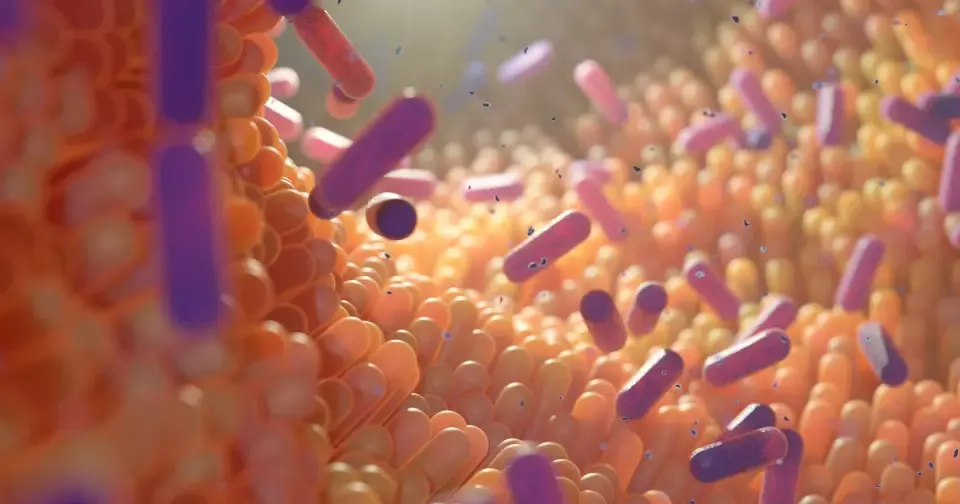
Recent research highlights the gut-brain axis as a critical factor in neurodegenerative diseases. A trial in South Korea found that multi-strain probiotics reduced dementia biomarkers in a small cohort. Concurrent studies in India and elsewhere link specific gut bacteria imbalances to Parkinson’s disease, suggesting that gut health may serve as an early indicator or modifiable risk factor for cognitive decline.
Key points
- A 24-week randomized trial in South Korea involving 87 participants found that multi-strain probiotics lowered plasma levels of pTau181, a biomarker for tau tangles associated with dementia.
- Participants taking probiotics also showed lower levels of the inflammation marker IL-1β and scored better on clinical dementia ratings compared to those on a placebo.
- A study in Kerala, India, identified distinct gut microbiome signatures in 65 Parkinson’s patients, including higher levels of pro-inflammatory bacteria like Akkermansia and Escherichia-Shigella.
- Researchers note that gut changes may precede motor symptoms in Parkinson’s by years, with some studies suggesting a 25% shift in the microbiome appears in genetically at-risk individuals before diagnosis.
- Experts caution that while these findings are promising, they do not prove that probiotics prevent dementia, as the conditions likely have multiple causes and further large-scale studies are needed.
Background
This development follows a trend in 2026 research exploring non-pharmacological interventions for neurodegenerative diseases. Previous coverage noted that supplements like glucosamine may accelerate dementia progression, while aspirin showed mixed results for specific genetic subgroups. The current focus on the gut-brain axis expands the search for preventive measures beyond traditional medications, aligning with broader investigations into how biological aging and inflammation influence brain health.
How outlets are covering it
HuffPost UK emphasizes the potential of probiotics as a non-pharmacological adjunct for early cognitive impairment, citing the South Korean trial’s positive biomarker results. Parkinson’s News Today and Bioengineer.org focus on the diagnostic and mechanistic aspects, highlighting how specific bacterial imbalances correlate with disease severity and inflammation. MindBodyGreen frames the gut microbiome as an early warning system, noting that changes in genetically at-risk individuals mirror those in diagnosed patients. While all sources agree on the gut-brain connection, they differ in emphasis: HuffPost highlights intervention, while the others focus on detection and underlying mechanisms. None of the sources claim definitive prevention, maintaining that these are associative findings requiring further validation.
Why it matters
Understanding the link between gut health and neurodegeneration could lead to earlier detection and new preventive strategies. If gut microbiome changes serve as reliable early markers, they could enable interventions before significant brain damage occurs. Additionally, identifying specific bacterial signatures may help tailor treatments for Parkinson’s and dementia, moving away from one-size-fits-all approaches. However, the small sample sizes and observational nature of many studies mean that clinical application remains distant, and patients should not self-prescribe probiotics or supplements based on these preliminary findings.
What to watch
Researchers are calling for larger, longitudinal studies to confirm the causal relationship between gut microbiome changes and neurodegenerative diseases. Future trials will likely focus on standardized biomarkers and mechanistic studies to determine if probiotics or dietary interventions can effectively slow disease progression. There is also growing interest in developing microbiome testing tools for early risk assessment, though the technology is not yet ready for widespread clinical use. Continued research into the gut-immune-brain axis may reveal how environmental factors, such as diet and stress, influence these biological pathways.
- Researchers Think Gut Supplements Could Have Anti-Dementia Benefits HuffPost UK
- Study in India links gut bacteria differences to Parkinson’s disease Parkinson's News Today
- Gut, Immune and Brain Signals May Link COVID-19 to Parkinson’s Risk Bioengineer.org
- Gut Vesicles May Reveal New Clues to Parkinson's Disease Technology Networks
- This Could Be One Of The Earliest Signs Of Parkinson’s — It’s Not In The Brain MindBodyGreen
Want the full story? Read the original reporting
Read on HuffPost UK