
Harvard Study Links Low Brain Lithium Levels to Accelerated Alzheimer's Symptoms in Mice
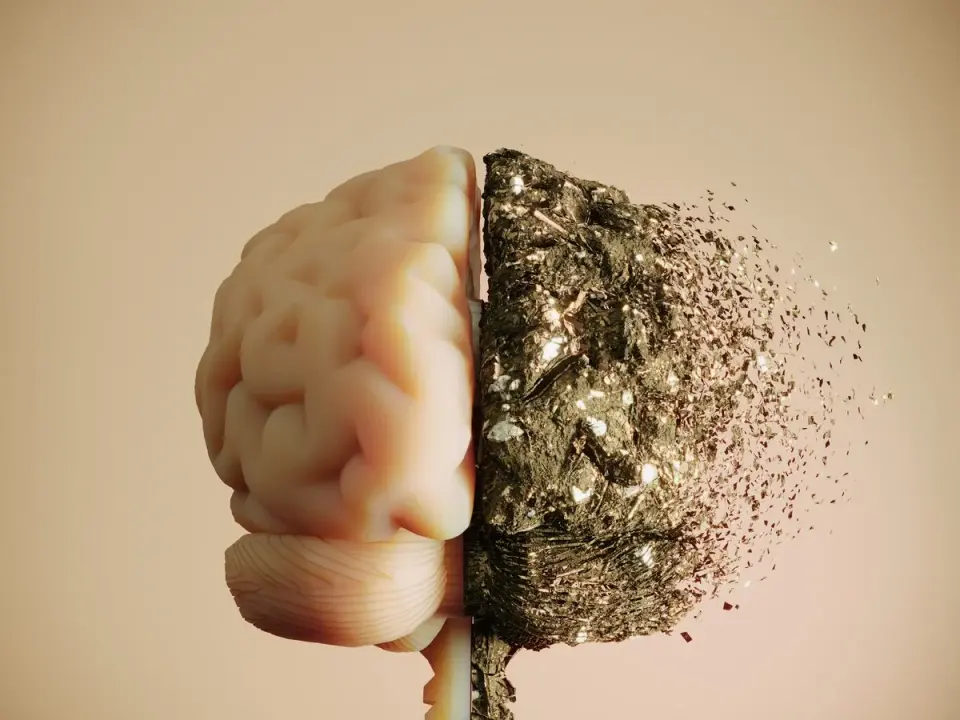
A new study published in Nature suggests that lithium, a mineral found in drinking water and foods like cabbage and whole grains, may play a protective role against dementia. Led by Harvard Medical School professor Bruce Yankner, the research analyzed post-mortem brains over a decade, finding significantly lower lithium levels in the prefrontal cortices of individuals with cognitive impairment or Alzheimer's disease compared to healthy controls. While other metals showed no major correlation with cognition, lithium levels appeared linked to brain health. In mouse models bred with Alzheimer's-like symptoms, lower lithium levels accelerated brain changes, while normal levels offered protection. However, experts caution that human clinical trials have not yet confirmed these benefits, and current evidence does not support lithium supplementation as a standalone treatment for dementia.
Key points
- A decade-long study led by Dr. Bruce Yankner at Harvard Medical School found that brains of individuals with mild cognitive impairment or Alzheimer's disease had significantly reduced lithium levels in the prefrontal cortex, unlike other metals which showed no such correlation.
- In animal testing, mice with lower lithium levels developed accelerated Alzheimer's-like brain changes, while those with normal levels were better protected, suggesting a potential neuroprotective role for the mineral.
- The study found that amyloid beta, a protein associated with early dementia, can bind to lithium carbonate (used for bipolar disorder), potentially trapping the mineral and reducing its availability to brain cells, which may accelerate memory loss.
- Mice given lithium orotate, a different form of lithium, showed reduced Alzheimer's-like symptoms because amyloid did not bind to it as strongly, offering a potential avenue for future research, though human efficacy remains unproven.
- Experts, including Dr. Lisa Barnes of Rush University Medical Center, note that a recent clinical trial in JAMA Neurology found no cognitive improvement in participants with mild cognitive impairment who took lithium carbonate for two years, highlighting the need for more human studies.
- While lithium is not yet recognized as an essential mineral in the US or UK, experts recommend focusing on proven dietary strategies such as the Mediterranean or MIND diets, which emphasize plant-based foods, healthy fats, and anti-inflammatory nutrients to support brain health.
Background
This finding aligns with previous coverage emphasizing that while no single food or supplement prevents dementia, consistent dietary patterns like the Mediterranean and MIND diets offer protective benefits. Earlier reports highlighted the importance of addressing nutrient deficiencies, such as vitamin D and B12, which are common in aging populations and may contribute to cognitive decline. Additionally, prior research on plant polyphenols and breathing exercises suggests that multiple lifestyle factors, rather than isolated minerals, likely influence brain aging, reinforcing the need for comprehensive approaches to cognitive health.
Why it matters
The study provides a new biological mechanism linking a common mineral to dementia risk, potentially opening avenues for future research into lithium orotate as a preventive measure. However, the lack of confirmed human benefits and the risk of toxicity from high doses mean that current medical advice remains focused on established dietary and lifestyle interventions. Understanding the role of lithium could eventually lead to targeted therapies, but for now, experts stress the importance of proven nutritional strategies and addressing common deficiencies like vitamin D and B12 to support long-term brain health.
What to watch
Further human clinical trials are needed to determine if lithium orotate can safely and effectively protect against cognitive decline in people. Researchers will likely investigate optimal dosages and long-term safety, while public health efforts may continue to focus on correcting common nutrient deficiencies and promoting brain-healthy diets like the MIND diet. Monitoring lithium levels in drinking water and food sources may also become more relevant as research progresses.
Want the full story? Read the original reporting
Read on BBC Science Focus Magazine