
Plant Proteins and Fiber Cooperate to Prevent Gut Bacteria from Consuming Mucus
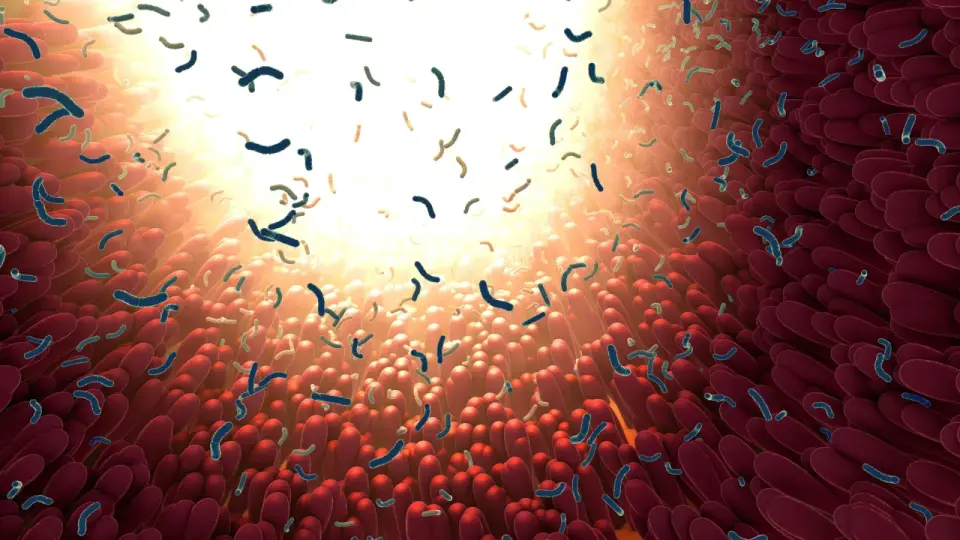
New research from Princeton University reveals that indigestible plant proteins, termed Prif, work alongside dietary fiber to influence gut bacteria. This interaction shifts microbial activity toward producing beneficial metabolites while preventing bacteria from consuming the protective mucus lining of the intestines. Additionally, studies show that the human body can produce certain metabolites previously attributed exclusively to gut microbes, challenging current assumptions about microbiome therapy.
Key points
- Researchers Jenna AbuSalim and Joshua Rabinowitz identified 'proteins imitating fiber' (Prif) as a key dietary component that influences gut bacteria.
- Prif and fiber cooperate to shift the production of phenol metabolites from harmful compounds linked to cancer and kidney disease to beneficial ones associated with healthy weight.
- When fiber intake is low, gut bacteria may break down proteins in the intestinal mucus layer to obtain nutrients, potentially compromising the gut's protective barrier.
- A companion study in Nature Metabolism found that mammalian cells can produce indole metabolites independently of gut bacteria, contradicting the belief that these compounds originate solely from microbes.
- These findings suggest that future nutritional advice and therapeutic interventions must account for both microbial activity and the body's own metabolic capabilities.
Background
Recent studies have highlighted the complex relationship between gut health and systemic disease. For instance, earlier research indicated that gut lining fragility may persist in inflammatory bowel disease patients even during clinical remission, while other studies linked specific gut metabolites to accelerated Alzheimer's progression. Additionally, Cambridge researchers found that many artificial sweeteners alter gut bacteria growth in lab settings. The current findings expand this understanding by detailing how specific plant components, rather than just fiber, modulate microbial metabolism and protect the intestinal barrier.
Why it matters
Understanding the role of Prif and the body's independent metabolic capabilities could lead to more precise dietary recommendations and new therapeutic strategies for metabolic diseases, cancer, and digestive disorders. If food packaging eventually lists Prif alongside fiber, consumers may have clearer guidance on how plant proteins influence gut health. Furthermore, recognizing that the body can produce certain metabolites without microbial help may shift the focus of probiotic and dietary interventions, ensuring treatments target the correct biological sources of these compounds.
What to watch
Researchers will need to conduct further studies in humans to determine how these mechanisms influence long-term health outcomes, as current evidence is largely based on animal and laboratory models. Future work may focus on quantifying Prif levels in various foods and developing specific dietary guidelines to optimize the balance between beneficial and harmful metabolites. Additionally, scientists may re-evaluate existing probiotic therapies to account for the body's endogenous production of metabolites.
Want the full story? Read the original reporting
Read on Science Daily