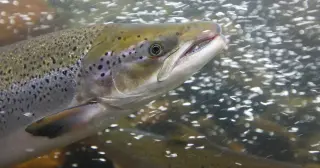
Wild Salmon Take a Longer Swim: Cocaine Metabolite Drives Greater Dispersal
A multi-institution study exposed 105 juvenile Atlantic salmon in Sweden to cocaine or its metabolite benzoylecgonine and tracked their movement. Surprisingly, the metabolite had the strongest effect, with exposed fish swimming up to 1.9 times farther and ending up about 20 miles from release, suggesting cocaine pollution can alter wild fish behavior and ecosystem dynamics. The findings highlight that metabolites—often more prevalent in waterways—should be considered in risk assessments, and future work will assess how widespread these effects are and whether they impact survival and reproduction.