
UCSF Researchers Achieve Total Tumor Clearance in Mice Using Brain-Activated CAR-T Therapy
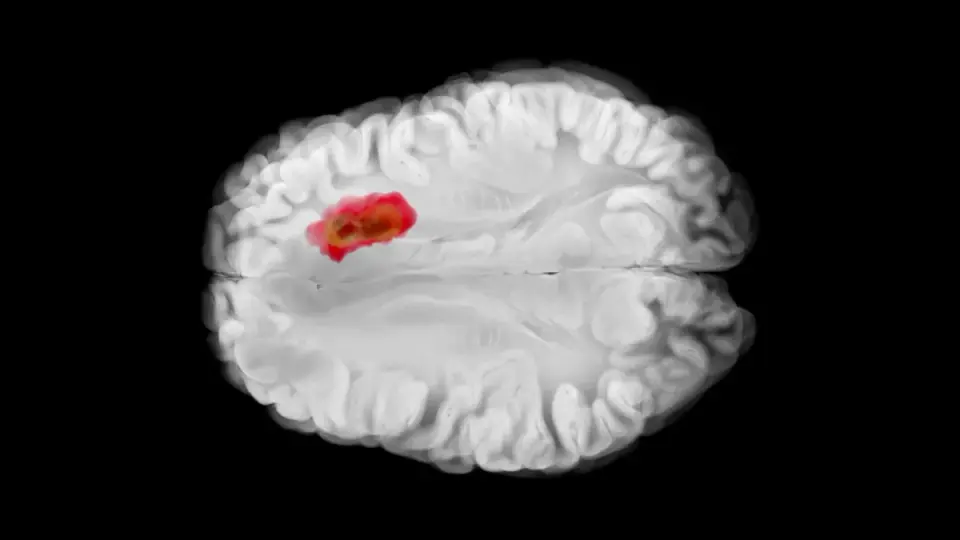
UC San Francisco researchers developed an experimental immune-cell therapy called B-SYNC that completely eliminated diffuse midline glioma (DMG) in every mouse tested. The therapy uses a biological switch activated by brain proteins to target cancer cells while sparing healthy tissue. While results are promising, experts emphasize that human trials are still years away, with a potential start date in April 2027.
Key points
- UCSF researchers created B-SYNC CAR-T cells that activate only after entering the brain, targeting DMG tumors in mice with 100% efficacy.
- The therapy uses a synNotch system triggered by brevican, a protein found throughout the brain, to switch on cancer-targeting receptors.
- DMG is a lethal childhood brainstem cancer with high mortality rates and limited treatment options, making this a significant preclinical breakthrough.
- Treated mice rejected re-introduced tumor cells nearly seven weeks later, indicating durable immune protection lasting over 70 days.
- A clinical trial at UCSF Health could begin as early as April 2027, using patients' own genetically modified T cells.
Background
This development follows recent advancements in brain-targeted therapies and AI-assisted medical procedures, such as the Exin Therapeutics AI agent performing brain surgery on mice in October 2026. While previous studies have focused on spatial navigation and dopamine balance in the brain, this new research addresses a critical gap in treating aggressive pediatric brain tumors that currently lack effective treatments.
Why it matters
Diffuse midline glioma (DMG) is a devastating childhood cancer with a mortality rate approaching 100% within one year of diagnosis. Current treatments have failed to stop its progression, leaving families with few options. This new therapy offers a potential path to effective treatment by leveraging the brain's own environment to activate immune cells, reducing the risk of damaging healthy tissues elsewhere in the body. If successful in human trials, it could transform the outlook for children with DMG.
What to watch
Researchers are moving toward human testing using patients' own genetically modified T cells. A clinical trial at UCSF Health is expected to begin as early as April 2027. The focus will be on establishing safety and effectiveness in children, building on the promising results from mouse models.
Want the full story? Read the original reporting
Read on Newsweek