
Garlic’s Return as a Biohack: What the Science Says
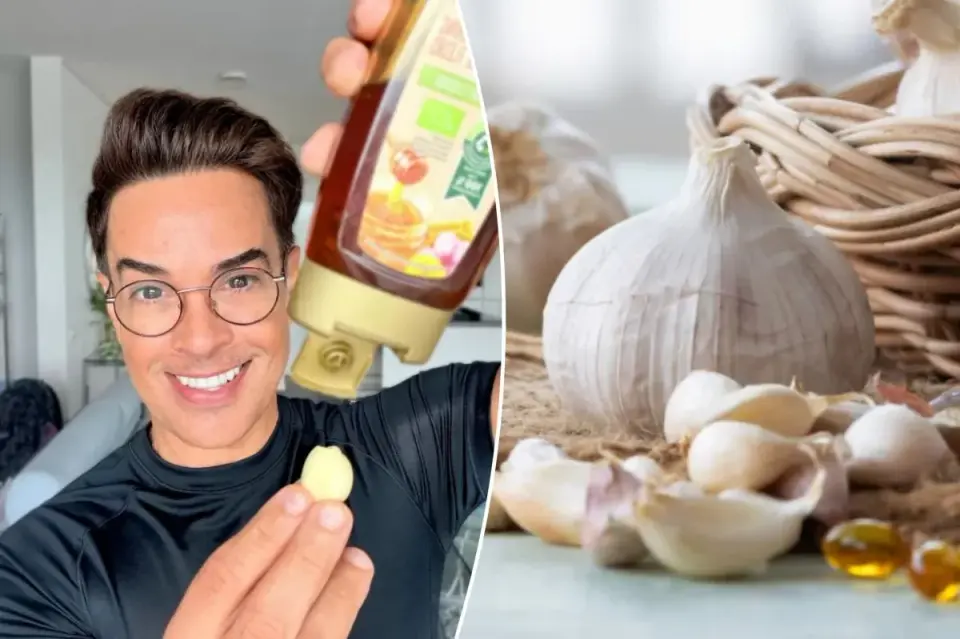
Social media has revived interest in raw garlic as a 'biohack' for energy and longevity, but experts caution that while it offers modest benefits for blood pressure, claims regarding cholesterol and cancer prevention lack robust clinical support.
Key points
- Influencer Edson Brandao, 59, credits a daily ritual of crushed garlic and honey for maintaining youthful energy and skin health.
- Online communities claim garlic acts as a natural antibiotic, improves gut health, and boosts mood, though these are anecdotal.
- Cardiologist Dr. Joel Kahn supports aged garlic extract for lowering blood pressure, LDL cholesterol, and stabilizing heart artery plaque.
- A 2007 Stanford study by Dr. Christopher Gardner found no significant difference in cholesterol reduction between raw garlic, supplements, and placebos.
- Experts warn that high-dose garlic can cause digestive issues, bad breath, and increased bleeding risk for those on blood thinners.
Background
Garlic has long been used as a natural remedy, but its recent resurgence is driven by the biohacking movement, which seeks to optimize health through lifestyle tweaks. While previous coverage may have touched on general wellness trends, this specific focus on garlic as a 'hack' highlights the tension between viral social media claims and established medical evidence.
Why it matters
The trend illustrates the gap between consumer enthusiasm for 'natural' cures and the reality of clinical trials. While garlic is a healthy dietary addition, relying on it as a primary treatment for serious conditions like high cholesterol or cancer may lead to missed medical interventions. Understanding the actual evidence helps consumers make informed decisions about supplements and diet.
What to watch
Expect continued marketing of aged garlic supplements and extracts as heart-healthy alternatives. However, medical professionals will likely continue to emphasize that garlic should complement, not replace, prescribed medications and a balanced lifestyle. Further research may clarify its effects on specific biomarkers like NAD+ and homocysteine.
Want the full story? Read the original reporting
Read on New York Post