
Creatine’s Brain Benefits: High Doses May Counteract Sleep Loss and Stress
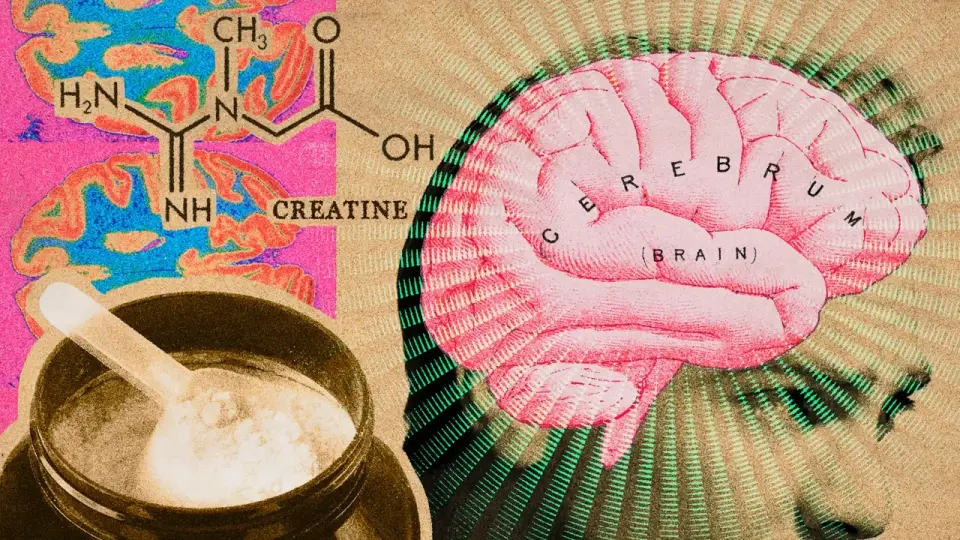
Emerging research suggests that higher doses of creatine monohydrate, beyond the standard 5g daily, may improve cognitive performance during sleep deprivation and stress. Experts note that while creatine is well-studied for muscle growth, its brain benefits remain preliminary and context-dependent.
Key points
- Standard 5g daily doses support muscle strength, but brain benefits likely require higher doses (10-25g) to cross the blood-brain barrier.
- Creatine shows promise in mitigating cognitive decline during sleep deprivation, stress, and fatigue, but effects in healthy, rested adults are mixed or null.
- High-dose protocols should be short-term (4-8 weeks) and divided into smaller servings to optimize brain absorption.
- Safety is generally high, but individuals with kidney disease should consult a physician before increasing doses.
- The brain tightly regulates creatine levels, meaning supplementation only significantly raises brain creatine when the brain is energy-stressed.
Background
Recent coverage in August 2026 highlighted that while 5g of creatine is standard for muscle, higher doses are being explored for cognitive benefits. Earlier reports noted that creatine may improve processing speed and working memory during sleep loss, but emphasized the need for medical supervision due to limited long-term data.
How outlets are covering it
GQ and PNI Atlantic News emphasize the potential of high-dose creatine (10-25g) to counteract sleep deprivation and stress, citing recent trials. Psychology Today offers a more cautious view, noting that while the mechanism is plausible, human evidence remains mixed and limited by small studies. Dr. Rhonda Patrick, cited by kulturistika.com, advocates for a 10g baseline and up to 25g during high stress, highlighting personal benefits in mental clarity and fatigue reduction. Experts across outlets agree that creatine is not a proven nootropic for healthy adults but may offer targeted benefits under metabolic stress.
Why it matters
As sleep deprivation and stress become common modern challenges, creatine offers a potentially accessible, low-risk tool to maintain cognitive function. Understanding the distinction between muscle and brain dosing helps consumers make informed decisions about supplement use without overrelying on unproven claims.
What to watch
Researchers are calling for larger, longer-term trials to determine optimal dosing, duration, and long-term safety for brain health. Future studies will also explore creatine’s role in neurodegenerative diseases and chronic fatigue, potentially leading to more specific clinical recommendations.
- Yes, Creatine Can Counteract Stress and Lost Sleep GQ
- I Took Creatine for 30 Days—These Were the Biggest Changes I Noticed EatingWell
- Creatine shows promise for cognition, but the evidence is still emerging. Psychology Today
- Why does Dr. Rhonda Patrick “boost” her brain with a massive dose of creatine? kulturistika.com
- How to use creatine in strength and conditioning PNI Atlantic News
Want the full story? Read the original reporting
Read on GQ