Tag

Sleep Deprivation

All articles tagged with #sleep deprivation

Caffeine Could Reverse Sleep-Deprivation Memory Deficits, Mouse Study Finds
science15 days ago

Caffeine Could Reverse Sleep-Deprivation Memory Deficits, Mouse Study Finds

Researchers in Singapore found that caffeine can both prevent and reverse social-memory deficits caused by sleep deprivation in mice, by acting on the CA2 region of the hippocampus and dampening adenosine signaling. Regular caffeine exposure before sleep loss preserved social recognition, and applying caffeine to brain tissue from sleep-deprived mice improved CA2 signaling. While the results illuminate a mechanism linking sleep, memory, and caffeine, they are in mice and must be tested in humans to assess relevance for dementia risk and cognitive health.

Creatine Super-Dosing: Promising for the Brain, Not a Silver Bullet
health1 month ago

Creatine Super-Dosing: Promising for the Brain, Not a Silver Bullet

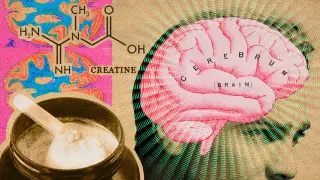
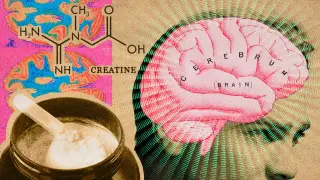
The piece examines rising interest in higher creatine doses (around 20–25 g/day) for potential cognitive benefits, especially during sleep loss. While traditional dosing of about 5 g/day remains effective for most, some studies suggest higher doses may boost memory and brain energy in certain groups and blunt cognitive decline after sleep deprivation. For healthy individuals, 5–10 g/day is typically enough, and a cautious 20–25 g dose before a sleepless period might be worth a short trial, though GI upset can occur and more robust research is needed. The author, noting low cost and strong safety, suggests testing the approach over a few weeks to see if it helps in real life.

Sleep deprivation triggers brain–gut signals that damage gut stem cells
health1 month ago

Sleep deprivation triggers brain–gut signals that damage gut stem cells

New research in Cell Stem Cell shows sleep deprivation in mice activates a brain-to-gut signaling cascade via the vagus nerve, triggering a surge of serotonin in the gut that damages intestinal stem cells and impairs the gut’s regenerative capacity. The study links insomnia to gut dysfunction and suggests acetylcholine from the vagus nerve drives serotonin release, highlighting potential therapeutic targets to protect gut health in sleep-disordered individuals.

Sleep Debt Triggers Wakeful Brain Cleanup at Attention's Expense
science2 months ago

Sleep Debt Triggers Wakeful Brain Cleanup at Attention's Expense

MIT researchers found that after sleep deprivation, brief attention lapses coincide with cerebrospinal fluid moving out of the brain—an event normally seen during sleep to clear waste. The brain appears to enter a sleep-like state during wakefulness to restore function, trading attention for fluid flow, with slowing breathing, lower heart rate, and pupil constriction; EEG/fMRI data from 26 volunteers point to the noradrenergic system, and findings were published in Nature Neuroscience.

Sleep Banking: Can Extra Rest Be Stored for a Future Wake-Up?
health2 months ago

Sleep Banking: Can Extra Rest Be Stored for a Future Wake-Up?

The BBC explores whether “sleep banking”—extending sleep in advance of anticipated deprivation—really helps alertness and performance. Early military studies suggested benefits, and some doctors and athletes have reported improved performance after extra sleep. Yet researchers remain divided: some argue sleep can’t be stored like a bank and that improvements may reflect avoiding debt rather than storing surplus. Most agree seven to nine hours of nightly sleep is optimal, and while 30–60 extra minutes or short naps before a busy period can help, sleep banking isn’t a long-term solution and shouldn’t replace regular sleep.

Sleep loss triggers wakeful brain cleaning that trades attention for maintenance
science2 months ago

Sleep loss triggers wakeful brain cleaning that trades attention for maintenance

Short on sleep, the brain periodically triggers a sleep-like cleaning process during wakefulness, with cerebrospinal fluid moving out of the brain as attention lapses occur and then flowing back when focus returns. This compensatory mechanism temporarily reduces attention but may help restore cognitive function, suggesting a coordinated brain-body system—potentially involving the noradrenergic system—that links wakeful attention, fluid dynamics, and basic physiological signals.

New Brain Research Changes Understanding of How ADHD Medications Work
health3 months ago

New Brain Research Changes Understanding of How ADHD Medications Work

A large brain imaging study reveals that ADHD medications like Adderall and Ritalin primarily affect brain regions related to arousal and wakefulness, not attention networks as previously believed. These drugs mimic the brain patterns of good sleep, effectively rescuing sleep-deprived children temporarily, but do not enhance cognitive abilities in well-rested children. The findings suggest that sleep issues may underlie some ADHD symptoms and highlight the importance of addressing sleep health.