
Experts Recommend Specific Gear to Combat Age-Related Balance Decline
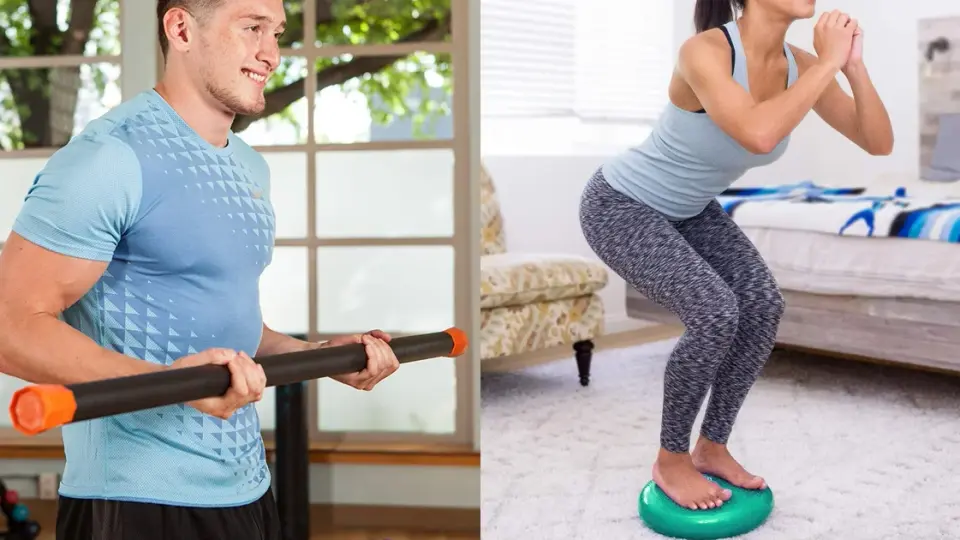
HuffPost Shopping highlights eight expert-recommended products to help older adults maintain stability and prevent falls. The list includes balance pads, inflatable discs, and weighted bars for muscle training, as well as zero-drop shoes to improve proprioception. Home safety items like suction grab bars and motion-sensor night lights are also featured to reduce fall risks in domestic environments.
Key points
- Physical therapists suggest using foam balance pads and inflatable discs to train muscles for faster adjustments and improve core strength.
- Weighted workout bars are recommended for coordination, engaging hip, ankle, and core muscles through stability challenges.
- Podiatrists advise zero-drop or barefoot shoes, such as the Vivobarefoot Gobi II or Altra Torin 8, to enhance ground feedback and natural toe movement.
- Home modifications include suction grab bars for showers with safety indicators and motion-sensor night lights to illuminate pathways at night.
- Experts note that while balance declines with age, intentional training and proper equipment can help maintain independence and safety.
Background
This briefing follows earlier coverage on simple morning exercises for balance and general health warnings about missed cancer signals. The current focus shifts from passive exercise routines to specific commercial products and home modifications designed to mitigate age-related stability issues.
Why it matters
As populations age, fall prevention becomes a critical public health issue. Accessing affordable, expert-vetted tools can empower individuals to maintain mobility and reduce the risk of injury, thereby preserving independence and lowering healthcare costs associated with fall-related injuries.
What to watch
Consumers are expected to continue seeking out specialized footwear and home safety devices as awareness of age-related balance decline grows. Manufacturers may see increased demand for products that combine style with functional stability features, while healthcare providers may further integrate these tools into patient care plans.
Want the full story? Read the original reporting
Read on HuffPost