
Blocking EP2 Receptor Reverses Age-Related Decline in Mice
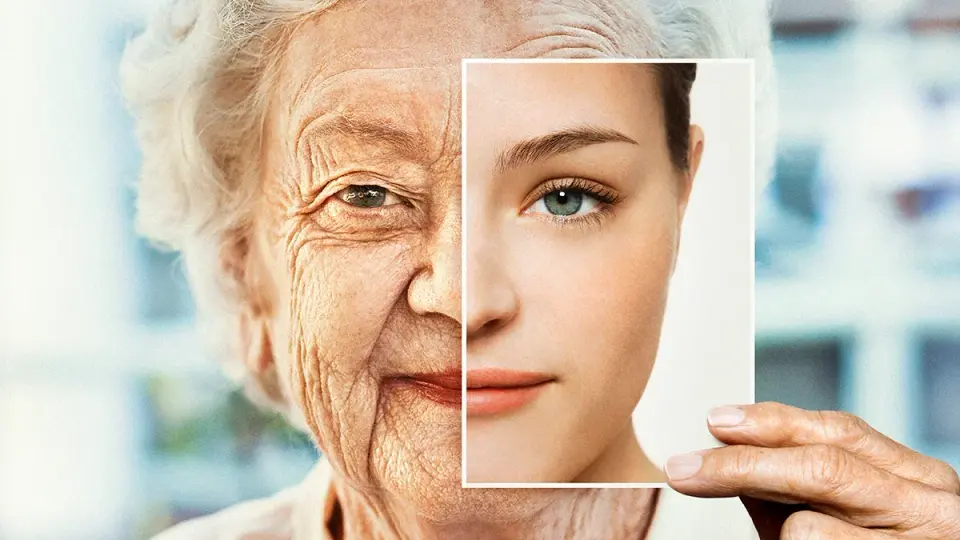
A Stanford-led study published in Science shows that blocking the EP2 receptor on tissue-resident macrophages restores their ability to clear senescent neutrophils, reversing age-related decline in multiple organs in mice.
Key points
- Tissue-resident macrophages lose the ability to clear senescent neutrophils as they age, leading to chronic inflammation and organ damage.
- Blocking the EP2 receptor, which becomes overactive with age, restores macrophage function and youthful protein levels in mice.
- The intervention improved memory, muscle strength, heart function, and reduced visceral fat in older mice.
- Human liver data confirms similar patterns of macrophage decline and EP2 upregulation with age, though no selective EP2-blocking drugs currently exist.
Background
This research builds on earlier findings that immune cells like microglia drive age-related issues such as sleep loss in Alzheimer's models. While previous studies focused on specific brain inflammation, this new work identifies a systemic mechanism involving neutrophil clearance that affects multiple organs simultaneously.
How outlets are covering it
ScienceAlert and ScienceDaily emphasize the broad, multi-organ benefits of blocking EP2, highlighting improvements in memory and frailty. Medscape contrasts this with a separate study suggesting immune systems may adapt positively in supercentenarians, noting that while EP2 blocking addresses decline, other immune cells like CD4 CTLs may expand to fight cancer in the very old. Baku.ws summarizes the findings as a potential 'switch' for slowing wear and tear, focusing on the simplicity of targeting a single receptor. All sources agree that while mouse results are promising, translating this to human drugs remains a significant challenge due to the lack of selective EP2 inhibitors.
Why it matters
Identifying a single receptor that drives systemic aging offers a potential target for therapies that could extend healthy lifespan and reduce age-related diseases like dementia and heart failure, moving beyond treating individual symptoms to addressing the underlying immune cleanup failure.
What to watch
Researchers must develop a safe drug that selectively blocks EP2 without disrupting other beneficial prostaglandin functions. Future studies will need to validate these findings in human clinical trials to determine if this mechanism can be therapeutically targeted in people.
- Blocking a Single Immune Signal Made Old Mice Act Young Again ScienceAlert
- We Might Have Been Wrong About How the Immune System Ages Medscape
- How aging affects the immune system and vaccines WTNH.com
- One immune switch may help drive aging across the body ScienceDaily
- Found an aging "switch" that slows down wear and tear of the entire body Baku.ws
Want the full story? Read the original reporting
Read on ScienceAlert