Tag

Neutrophils

All articles tagged with #neutrophils

Heatstroke’s aftershock: why cooling may not end the danger
health16 days ago

Heatstroke’s aftershock: why cooling may not end the danger

Europe’s deadly heatwave is driving many heatstroke cases, where core body temperature above 40°C can cause brain dysfunction and multi-organ damage. Yet deaths can occur hours or days after cooling because the body’s immune system goes into a runaway, sepsis-like inflammatory state driven by neutrophils that damages blood vessels and triggers blood clots, overwhelming organs even once temperature is normalized. The current approach—rapid cooling—saves lives but doesn’t halt this immune cascade, so researchers are exploring strategies to calm neutrophil activity, prevent microthrombosis, and protect the gut barrier. Risk factors include age extremes, heart disease, diabetes, obesity, dehydration, alcohol, and certain medications. Faster cooling plus immune-targeted therapies could improve outcomes in heatstroke patients.

Liver palmitate fuels metastasis by dampening neutrophil attack through laminin-511 palmitoylation
science20 days ago

Liver palmitate fuels metastasis by dampening neutrophil attack through laminin-511 palmitoylation

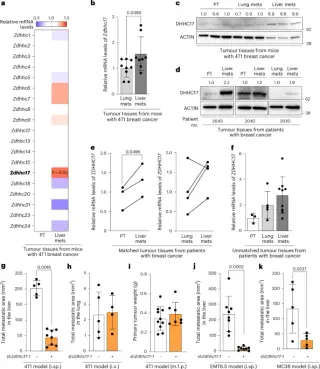
A Nature Metabolism study shows that the liver’s palmitate-rich environment promotes breast and colorectal cancer liver metastases by suppressing neutrophil antitumor activity. Cancer cells use the palmitoyltransferase DHHC17 to stabilize and secrete laminin-511; this laminin-511 exposure dampens neutrophil cytotoxicity and NETosis, facilitating tumor growth. Silencing DHHC17 in cancer cells reduces liver metastases when neutrophils are present; adding laminin-511 or blocking neutrophil degranulation reverses this effect. Diets high in fat/palmitate increase NETs in metastatic livers, linking fatty acid metabolism to immune evasion. The work combines mouse models and human tissue data, highlighting palmitoylation-driven modulation of neutrophils as a metastasis mechanism in the liver.

One Sauna Session Briefly Boosts Immune Cells in Blood
health-and-medicine29 days ago

One Sauna Session Briefly Boosts Immune Cells in Blood

A 30-minute sauna session with a mid-way cold shower temporarily increases all circulating white blood cell types, including neutrophils and lymphocytes, peaking during heat exposure and returning to baseline about 30 minutes after the session ends. The rise likely reflects mobilization of immune cells from tissues—a mechanism similar to exercise that could enhance immune surveillance—though cytokine changes were small and long-term effects remain unknown. The study involved 51 adults and was published in Temperature, focusing on immediate, not lasting, immune responses.

Peripheral Neutrophils Forge C4A Link to Schizophrenia
science3 months ago

Peripheral Neutrophils Forge C4A Link to Schizophrenia

Stanford researchers find neutrophils actively produce C4A, a key schizophrenia risk protein, and in patients these cells pump out more C4A while rapid activation (C4-ana) occurs in plasma. The work links a peripheral immune process to brain synaptic pruning linked to schizophrenia, suggesting blood-based diagnostics and therapies that target the periphery rather than the brain. Clozapine’s neutrophil-depleting effects highlight the need for safer, targeted treatments.

Tumor-Modulated Neutrophils Fuel Cancer Growth via CCL3
science6 months ago

Tumor-Modulated Neutrophils Fuel Cancer Growth via CCL3

University of Geneva researchers find that neutrophils recruited to tumors are reprogrammed to produce the chemokine CCL3, which promotes tumor growth. This shift helps explain why some cancers become more aggressive and points to CCL3 activity in neutrophils as a potential prognostic biomarker and therapeutic target. The team used genetic tools to selectively suppress CCL3 in neutrophils and reanalyzed multiple studies to confirm the link.

Chronic Stress Triggers Immune Cells in Brain, Leading to Depression
health11 months ago

Chronic Stress Triggers Immune Cells in Brain, Leading to Depression

A study shows that chronic stress causes immune cells called neutrophils to leave skull bone marrow and gather in the brain's membranes, contributing to depression symptoms. Blocking an immune pathway reduced these cells and improved mood in mice, suggesting new immune-targeted treatments for depression, especially for those unresponsive to current drugs.

Mitochondria: Beyond Powerhouses, They Fight Germs
science1 year ago

Mitochondria: Beyond Powerhouses, They Fight Germs

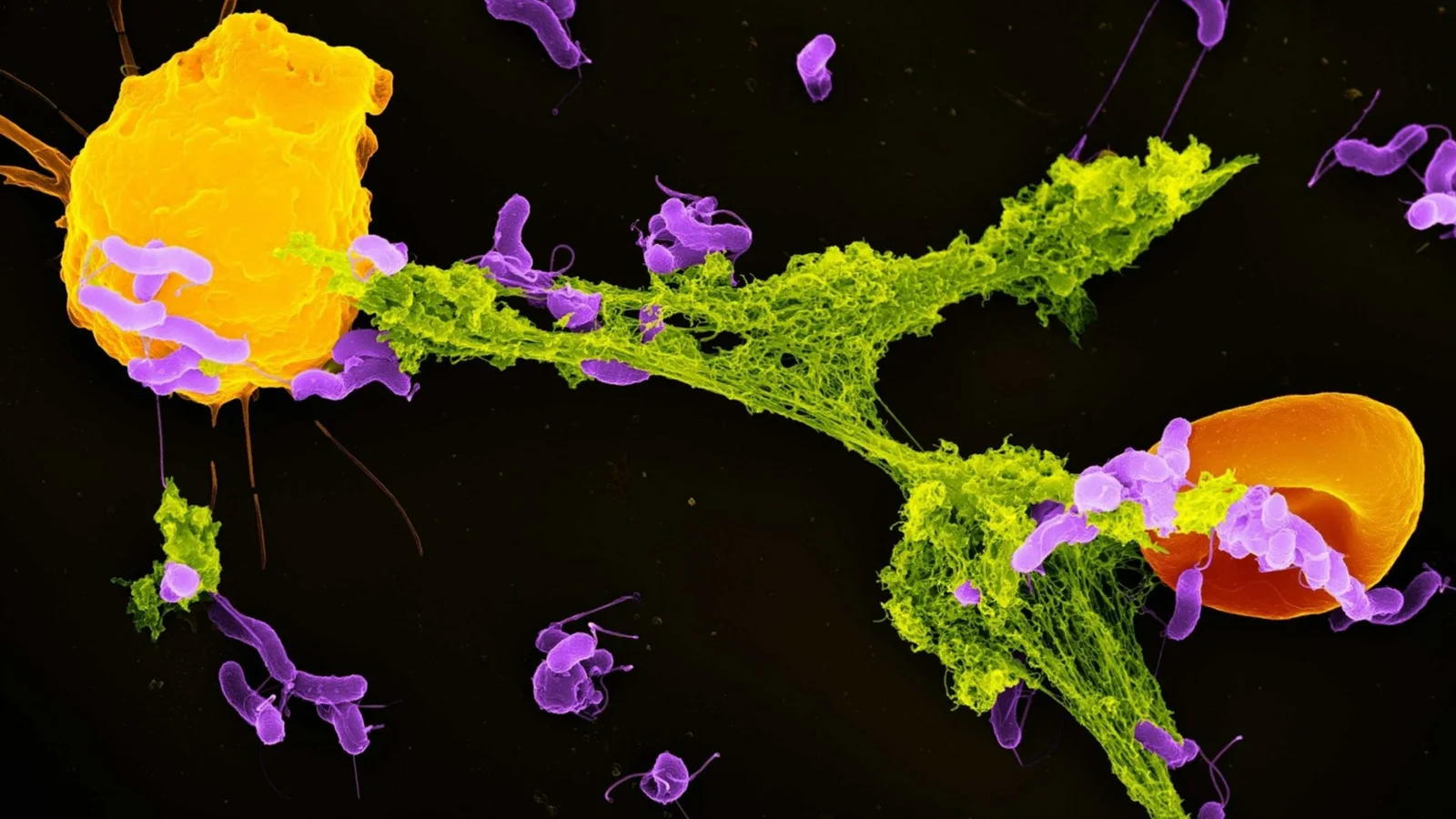
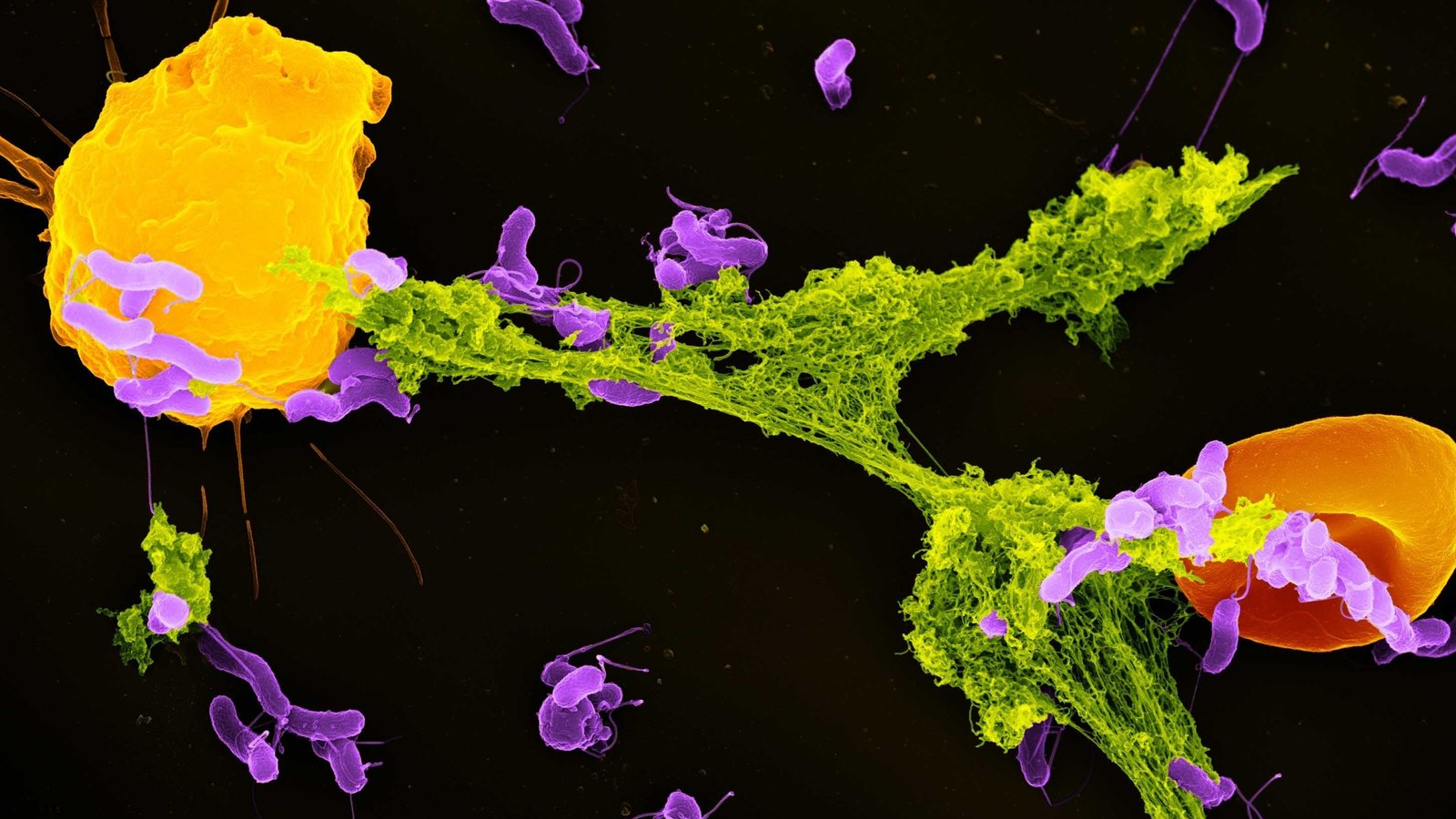
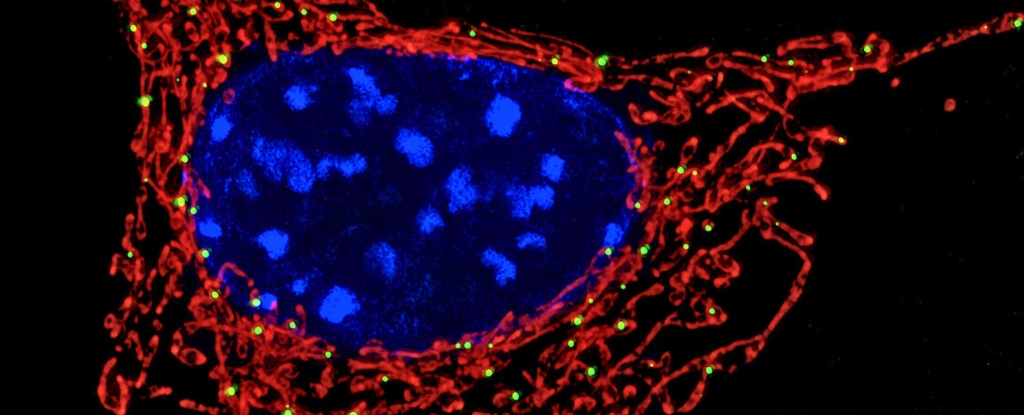
Scientists have discovered that mitochondria, traditionally known for energy production, also play a crucial role in immune defense by sensing bacterial lactate and triggering neutrophil extracellular traps (NETs) to trap and kill bacteria. Dysfunctional mitochondria may weaken immune responses, as seen in autoimmune diseases like lupus, highlighting their importance in balancing immune activity and infection defense.

"The Link Between Chronic Stress and Cancer Spread"
health2 years ago

"The Link Between Chronic Stress and Cancer Spread"

A study by researchers at Cold Spring Harbor Laboratory has revealed that chronic stress can increase the spread of cancer by causing certain white blood cells called neutrophils to form sticky web-like structures, making body tissues more susceptible to metastasis. The team's experiments on mice showed a significant increase in metastatic lesions in stressed animals, which was attributed to stress hormones acting on neutrophils to form these structures. The findings suggest that reducing stress and developing drugs to prevent the formation of these structures could be important components of cancer treatment and prevention.

"The Link Between Chronic Stress and Cancer Spread"
health2 years ago

"The Link Between Chronic Stress and Cancer Spread"

Chronic stress can lead to a significant increase in cancer metastasis by activating neutrophils to form web-like structures that promote cancer spread. This breakthrough suggests that targeting neutrophil extracellular traps (NETs) formation could be a viable strategy to prevent cancer metastasis, emphasizing the importance of stress management as an essential part of cancer treatment and prevention. The findings offer potential new treatment strategies and highlight the need for integrating stress reduction in cancer care.

Revolutionary Blood Test Offers Life-Saving Breakthrough for Sepsis
health2 years ago

Revolutionary Blood Test Offers Life-Saving Breakthrough for Sepsis

A breakthrough blood test is being trialled that can rapidly detect sepsis, a condition that is difficult to diagnose. Sepsis kills more people annually in the UK than breast, prostate, and bowel cancer combined. The test can produce results in less than 45 minutes and costs between £20 and £30. It relies on neutrophils, the body's first line of defense against infection, which become activated during an infection and produce a specific protein that can be detected in the blood.

Ginger Supplements: A Promising Solution for Autoimmune Inflammation
health2 years ago

Ginger Supplements: A Promising Solution for Autoimmune Inflammation

New research suggests that ginger supplements may have a promising role in managing inflammation in individuals with autoimmune diseases. The study found that ginger can influence neutrophils, making them less susceptible to a process called NETosis, which is linked to inflammation and various autoimmune conditions. Ginger supplements could potentially revolutionize the management of autoimmune diseases by changing how specific immune cells function. Further research is needed to explore the therapeutic potential of ginger supplements in treating autoimmune and inflammatory conditions.