
New Study Finds Dog Brain Pathology Mirrors Human Alzheimer’s, Offering New Research Model
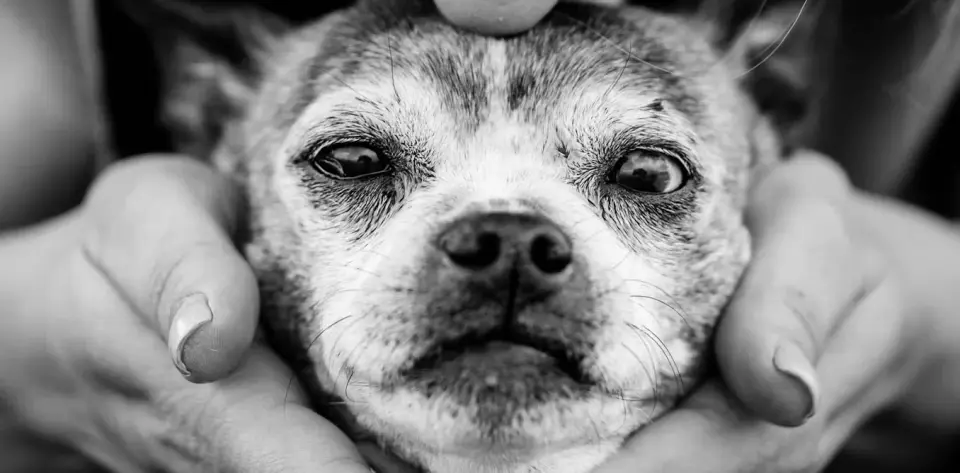
A new study published in npj Dementia reveals that aging dogs with Canine Cognitive Dysfunction (CCD) exhibit brain protein deposits in the same regions as humans with Alzheimer’s. This finding suggests dogs are a superior natural model for studying neurodegeneration compared to mice, potentially accelerating the development of diagnostics and treatments. Researchers identified elevated blood markers, specifically glial fibrillary acidic protein (GFAP), in dogs with high brain protein deposits, offering a potential biomarker for early detection in both species. While 99% of Alzheimer’s drugs fail in human trials after showing promise in mice, dogs naturally develop the misshapen proteins associated with dementia, providing a more accurate platform for testing therapies. The research highlights the value of companion dogs in understanding how environmental and genetic factors influence brain aging, with implications for earlier diagnosis and improved care for both pets and people.
Key points
- Researchers at Colorado State University and the University of Washington found that dogs with CCD have abnormal protein clumps in brain regions similar to those affected in human Alzheimer’s patients.
- The study analyzed brain tissue from 24 companion dogs, confirming that dogs naturally develop the misshapen proteins that mice do not, making them a better model for dementia research.
- Elevated levels of glial fibrillary acidic protein (GFAP) in the blood of dogs with high brain protein deposits suggest a potential biomarker for diagnosing cognitive decline in both dogs and humans.
- 99% of Alzheimer’s drugs that show promise in mouse models fail in human clinical trials, highlighting the need for more accurate animal models like dogs.
- The Dog Aging Project, tracking over 50,000 dogs, aims to link brain pathology with behavioral changes to understand why some individuals develop dementia while others do not.
Background
Alzheimer’s research has seen recent progress with FDA-approved drugs like lecanemab and donanemab, but the field still struggles with high failure rates in clinical trials. Previous studies have explored various targets, including tau proteins and inflammation, but the lack of accurate animal models has hindered progress. This new research builds on the understanding that dogs and humans share similar environmental exposures and aging processes, offering a unique opportunity to study neurodegeneration in a natural setting.
How outlets are covering it
The Conversation and UW Medicine emphasize the scientific breakthrough of mapping neuropathology in dogs, highlighting the potential for dogs to serve as a model for early-stage Alzheimer’s. They focus on the biological similarities and the promise of new biomarkers like GFAP. In contrast, Countryfile.com takes a more practical, owner-focused approach, warning that CCD is often under-diagnosed and providing signs to watch for, such as disorientation and altered sleep patterns. While the academic sources focus on research implications, the veterinary perspective stresses the importance of early detection and management in pets, noting that dogs are living longer and thus more susceptible to age-related cognitive decline.
Why it matters
This research could lead to more effective treatments for Alzheimer’s by providing a more accurate model for testing drugs. It also offers hope for earlier diagnosis through new biomarkers, potentially improving outcomes for both dogs and humans. Understanding the natural progression of dementia in dogs may help identify environmental and genetic factors that influence disease development, contributing to broader insights into human neurodegeneration.
What to watch
Researchers will continue to analyze data from the Dog Aging Project to link brain pathology with behavioral changes. There is potential for the development of new diagnostics and treatments based on findings from canine studies. Additionally, further research may explore the role of environmental factors in dementia development, leveraging the shared living conditions of dogs and their owners.
Want the full story? Read the original reporting
Read on The Conversation