
Ancient Viral DNA Silences Brain Gene in Chimps, Fueling Human Divergence
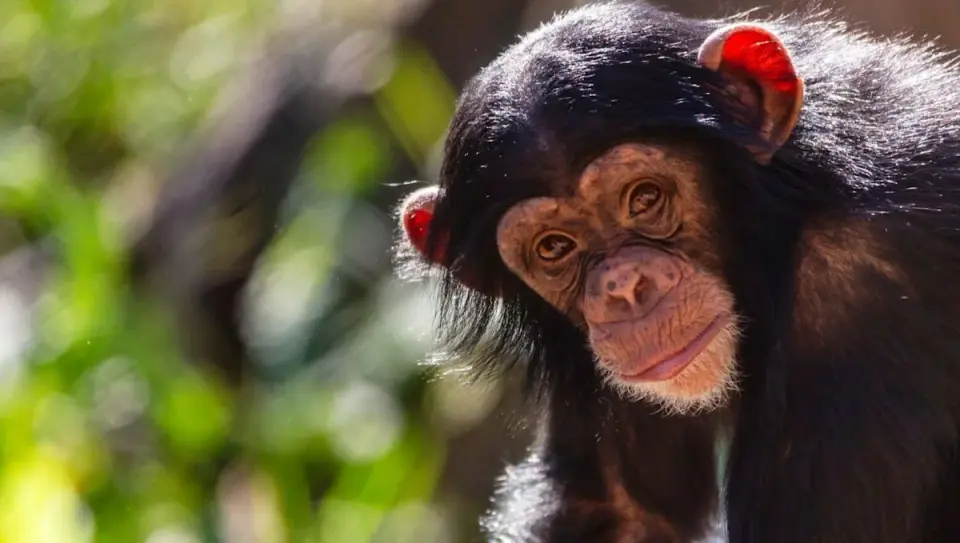
Lund University researchers found that an ancient retrovirus, PTERV1, silenced the LINC00662 gene in chimpanzees but not in humans. This viral insertion, present in chimpanzee genomes for millions of years, suppresses neural maturation genes. CRISPR experiments confirmed that removing the viral DNA restores gene activity, suggesting that regulatory differences, not new proteins, drive human-chimp brain divergence.
Key points
- PTERV1, an endogenous retrovirus, integrated into chimpanzee chromosome 19 millions of years ago.
- The viral insertion caused heavy DNA methylation, silencing the LINC00662 long noncoding RNA in chimpanzee brain models.
- LINC00662 remains active in human brain organoids, where it supports neuronal maturation and neural connection growth.
- CRISPR-Cas9 deletion of PTERV1 in chimpanzee cells restored LINC00662 expression, proving causal silencing.
- The study highlights that gene regulation differences, not protein-coding changes, may explain human-chimp brain divergence.
Background
This finding builds on earlier reports from October 2026 regarding PTERV1's role in suppressing neural maturation. It aligns with broader research on ancient viral DNA influencing gene mobility, such as the BC200 gene study from October 2026, which showed viral genes retaining mobility over 40 million years. Unlike the Isturitz Cave study, which focused on population migration, this research addresses molecular mechanisms of primate divergence.
Why it matters
The study provides a concrete mechanism for how ancient viral insertions can alter gene regulation, contributing to species divergence. It shifts focus from protein-coding differences to regulatory switches in brain development, offering a framework for investigating other endogenous retroviruses in primate genomes and their potential links to neurological diseases.
What to watch
Researchers plan to investigate whether other inherited viral sequences have similar regulatory effects on brain evolution or neurological diseases. Future studies will examine if PTERV1-like insertions exist in other primate genomes and if they influence neural development in comparable ways.
Want the full story? Read the original reporting
Read on Yahoo