
Bats' Unique Genetic Strategies for Longevity and Cancer Resistance Revealed in New Studies
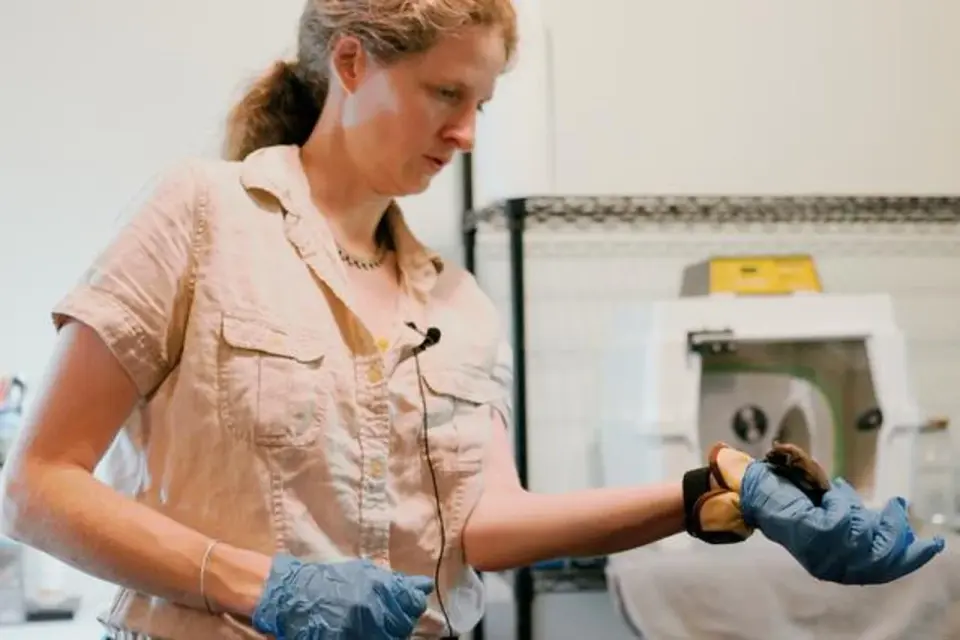
New research reveals that bats possess unique genetic mechanisms, including extra copies of immune genes and distinct responses to DNA damage, that contribute to their exceptional longevity and resistance to cancer and viruses. These findings suggest potential avenues for human medical research.
Key points
- Little brown bats prioritize cell death over DNA repair when exposed to lethal chemicals, a strategy similar to elephants.
- Myotis bats have multiple copies of the immune gene PKR, unlike most mammals which have only one.
- Bats exhibit high viral tolerance, suppressing inflammation to coexist with viruses without severe illness.
- Vesper bats possess a second antibody gene system, a unique feature among mammals.
- Researchers link bat longevity, cancer resistance, and viral adaptation through pleiotropic genetic changes.
Background
Recent studies on human longevity, such as those on centenarians and individuals with Laron syndrome, have highlighted the complex interplay between genetics, DNA repair, and lifestyle in determining lifespan and disease risk. While these human-focused studies emphasize the multifactorial nature of aging, the new bat research provides a distinct biological model for understanding how specific genetic adaptations can simultaneously enhance immune function and prevent cancer.
How outlets are covering it
The primary study, led by researchers from the University of Vermont and Penn State, emphasizes the 'kill the cell' strategy in little brown bats, where damaged cells are eliminated rather than repaired, and highlights the duplication of the PKR gene. The Nature article provides a broader genomic analysis of eight Myotis species, confirming the unique structural variations and positive selection in virus-interacting proteins. Euronews focuses on the practical implications for human health, noting that bats' viral tolerance mechanisms could inform human immune strategies. In contrast, a separate study reported by SciTechDaily highlights a different aspect of bat immunity, finding that vesper bats have a second antibody gene system, which expands adaptive immunity. While the first three sources focus on innate immunity and longevity, the SciTechDaily report points to adaptive immunity, suggesting that bat resistance is a multi-layered phenomenon.
Why it matters
Understanding how bats achieve such long lifespans and resist cancer and viruses could lead to new approaches in human medicine. By studying these unique genetic adaptations, researchers may find ways to enhance human immune systems, prevent tumor growth, and manage age-related diseases more effectively.
What to watch
Researchers will continue to explore the functional implications of these genetic findings, potentially leading to new therapeutic strategies for human diseases. Further studies may investigate how these bat-specific adaptations can be translated into human medical applications.
- Could bats be an ally in the fight against cancer? New study uncovers secrets of their unique genetics AOL.com
- Insights into longevity and virus-driven adaptation from Myotis bat genomes nature.com
- Clues to longevity may reside in the genomes of long-lived bats Medical Xpress
- Bats' longevity genes could hold clues for human health, study Euronews.com
- Bats Have a Secret Immune System Scientists Have Never Seen in Any Other Mammal SciTechDaily
Want the full story? Read the original reporting
Read on AOL.com