
Brain Has Dual Origins, New Study Reveals
TL;DR Summary
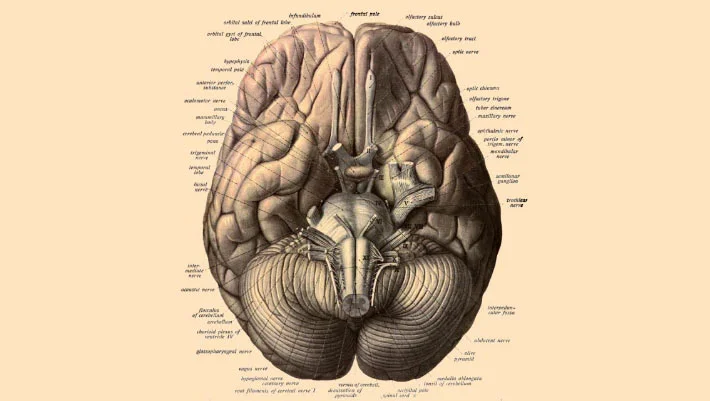
Stanford researchers argue the brain arose from two parallel neural systems with separate progenitor cells—the forebrain/midbrain and the hindbrain—joining over hundreds of millions of years. In mouse embryos they identified two non-overlapping progenitor populations marked by Otx2 and Gbx2 with distinct chromatin states, and they successfully derive hindbrain motor neurons from human pluripotent stem cells in vitro. The same dual-origin pattern appears in chickens, zebrafish and acorn worms, suggesting an ancient bifurcated brain. The work could improve lab growth of hindbrain neurons and inform therapies for brainstem diseases like SMA and ALS.
- Human Brain is Two Organs Fused Together, Study Suggests Sci.News
- Human brain is two separate organs, Stanford Medicine-led research finds Stanford Medicine
- Two parallel neural ectoderm progenitors contribute to the developing brain Nature
- Stanford scientists discover the human brain may actually be two separate organs ScienceDaily
- The brain may not be a single organ after all New Atlas
Reading Insights
Total Reads
0
Unique Readers
4
Time Saved
8 min
vs 9 min read
Condensed
95%
1,682 → 92 words
Want the full story? Read the original article
Read on Sci.News