
Experimental Drug Restores Liver Clearance, Halving Alzheimer's Markers in Aging Rats
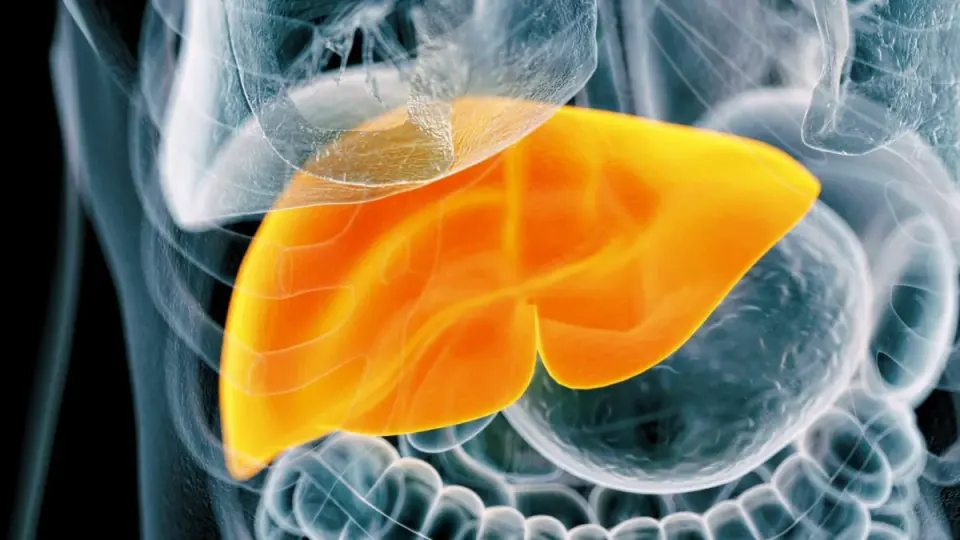
Researchers at the University of Southern California found that the experimental drug cinaciguat restores liver function in aging rats, halving blood levels of amyloid-beta, a protein linked to Alzheimer's disease. The treatment also lowered LDL cholesterol by reopening microscopic pores in liver blood vessels and restoring cellular communication via the growth factor HB-EGF. While promising, these results are limited to animal models and do not yet confirm protection against brain plaques or cognitive decline in humans.
Key points
- Cinaciguat treatment in two-year-old rats for two weeks restored the function of liver sinusoidal endothelial cells, reopening microscopic pores that had narrowed with age.
- Blood levels of amyloid-beta 40 dropped by 50% to youthful levels, while LDL cholesterol also decreased, despite LDL particles being small enough to bypass the restored pores.
- The drug activated soluble guanylate cyclase in vessel-lining cells, prompting them to release the growth factor HB-EGF, which signaled neighboring hepatocytes to improve their ability to capture substances from the blood.
- The study, published in the Journal of Biological Chemistry, used healthy aging rats and did not establish that the treatment reduces brain plaques or prevents Alzheimer's disease.
- Researchers plan to test the approach in animal models of Alzheimer's disease before pursuing human applications, noting that further safety and efficacy studies are required.
Background
This study builds on recent research exploring the liver's role in clearing proteins associated with neurodegenerative diseases. Earlier coverage highlighted that improving liver clearance could offer a new route to treat Alzheimer's by bypassing the blood-brain barrier. Additionally, recent studies have identified molecular mechanisms in tau protein misfolding and the protective effects of the Mediterranean diet on mitochondrial biology, underscoring the complex interplay between metabolic health and brain disease.
How outlets are covering it
ScienceAlert and UA.NEWS both report on the same study from the University of Southern California, published in the Journal of Biological Chemistry. Both outlets emphasize the significant reduction in amyloid-beta and LDL cholesterol levels in aging rats treated with cinaciguat. ScienceAlert provides more detail on the mechanism involving HB-EGF and the Lion King analogy used by the lead researcher, while UA.NEWS focuses on the structural restoration of liver sinusoidal endothelial cells and the activation of soluble guanylate cyclase. Both sources agree that the findings are limited to animal models and do not confirm direct benefits for brain plaques or human Alzheimer's prevention.
Why it matters
The study suggests that restoring liver function in aging individuals could lower circulating levels of amyloid-beta, a key risk factor for late-onset Alzheimer's disease. By targeting the liver's clearance capacity, this approach may offer a new therapeutic avenue for neurodegenerative diseases and cardiovascular health, potentially bypassing the challenges of the blood-brain barrier. However, the findings are preliminary and require further validation in disease models and human trials.
What to watch
Researchers plan to test cinaciguat in animal models of Alzheimer's disease to determine if the reduction in blood amyloid-beta translates to fewer brain plaques or improved memory. Future studies will also investigate the safety and efficacy of related drugs in humans, as the current results are limited to healthy aging rats and do not establish a direct link to disease prevention.
- Drug Restores Liver Function in Aging Rats And Halves Levels of an Alzheimer's-Linked Protein ScienceAlert
- Could rejuvenating the aging liver help protect the brain? Drug Discovery News
- Could one pill cure a host of diseases? Killing ‘zombie’ cells to improve health in old age National Post
- Cinaciguat halved amyloid beta in old rats — ScienceDaily UA.NEWS
- Scientists Discovered a Way to Reverse Aging in Liver Cells. It Could Signal a New Way to Fight Alzheimer's Inc.com
Want the full story? Read the original reporting
Read on ScienceAlert