
Gut Microbiome Trials Show Promise for Parkinson's via Fecal Transplants and B-Vitamin Deficits
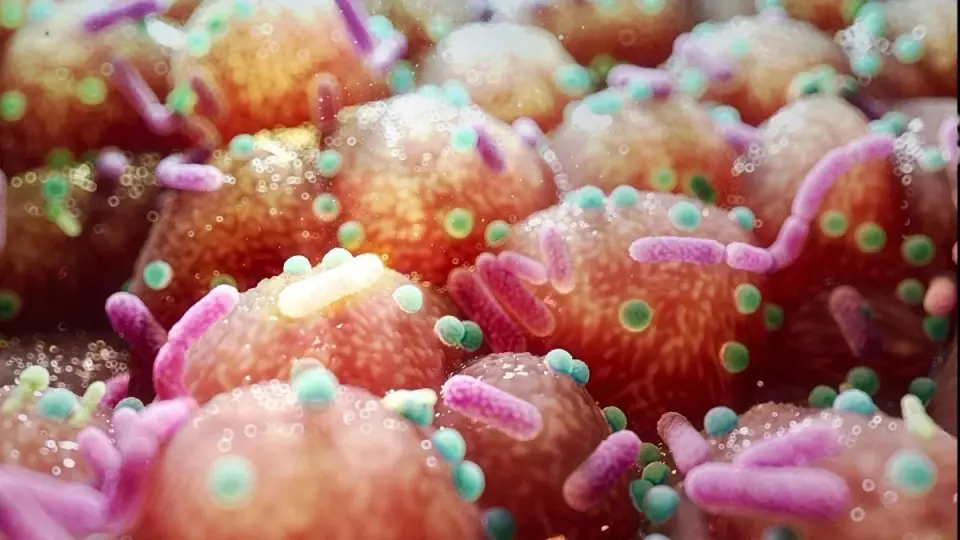
New research links Parkinson's disease to gut bacteria that produce B vitamins, with fecal transplant trials showing improved motor symptoms and reduced gut permeability.
Key points
- A 2024 study by Hiroshi Nishiwaki at Nagoya University found that Parkinson's patients have disrupted gut bacteria pathways for producing riboflavin (B2) and biotin (B7).
- Deficiencies in these vitamins lead to lower short-chain fatty acids and polyamines, thinning the intestinal mucus layer and increasing gut permeability to toxins.
- This increased permeability may expose nerves to toxins, contributing to abnormal alpha-synuclein aggregation and brain inflammation, which are hallmarks of Parkinson's.
- The Belgian GUT-PARFECT trial showed that fecal microbiota transplants (FMT) from healthy donors improved motor scores by 5.8 points after one year, compared to 2.7 points for a placebo group.
- A larger March 2026 trial in China involving 72 patients found that repeated FMTs improved motor scores by 3.8 points and reduced harmful bacteria like E. coli and Shigella.
- Both trials suggest that modulating gut bacteria could be a viable, cost-effective treatment to alleviate symptoms and potentially slow disease progression.
Background
Parkinson's disease is a progressive neurodegenerative disorder characterized by tremors, rigidity, and movement difficulties, with no current cure. Recent studies have highlighted the gut-brain axis, suggesting that gut health and microbiome composition may influence neurodegenerative diseases. Previous research has shown that gut bacteria can produce compounds that affect brain health, and that dietary factors and sugar substitutes can disrupt gut bacteria, potentially impacting overall health. The growing evidence that Parkinson's may originate in the gut rather than the brain has shifted research focus toward gut microbiome modulation as a potential therapeutic avenue.
Why it matters
Understanding the link between gut bacteria and Parkinson's could lead to simpler, more accessible treatments, such as B-vitamin supplements or fecal transplants, which may help manage symptoms and slow disease progression. This could significantly improve the quality of life for millions of people affected by Parkinson's worldwide.
What to watch
Further large-scale clinical trials are needed to verify the findings of these phase 2 studies and to determine the long-term efficacy and safety of fecal microbiota transplants and B-vitamin supplementation for Parkinson's disease.
Want the full story? Read the original reporting
Read on ScienceAlert