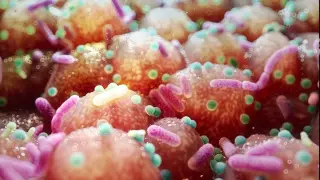
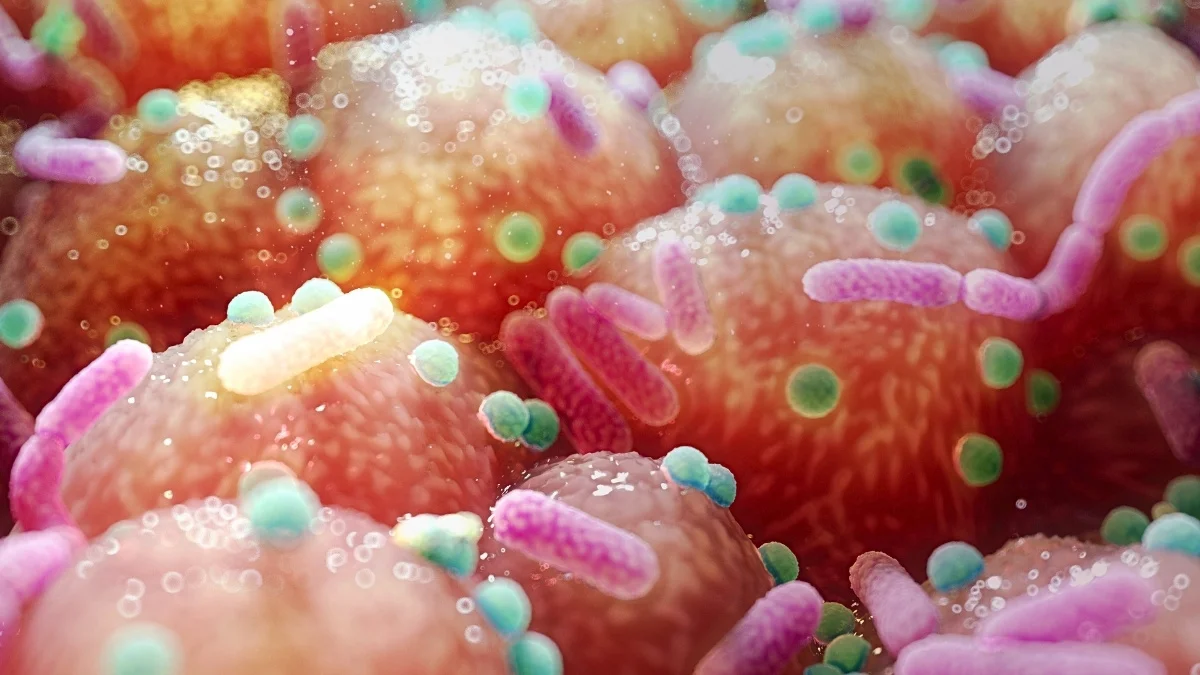
New research links Parkinson's disease to gut bacteria that produce B vitamins, with fecal transplant trials showing improved motor symptoms and reduced gut permeability.
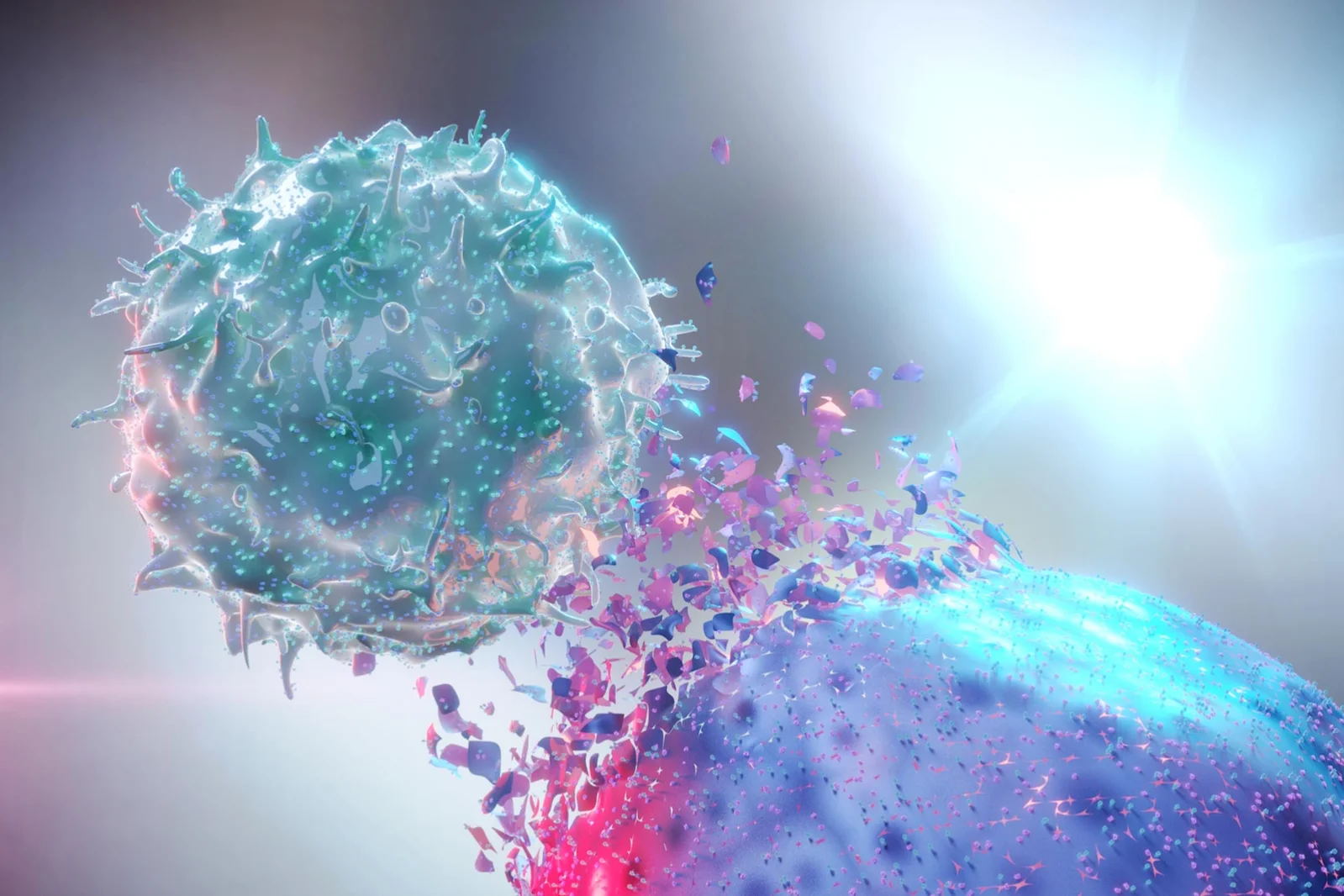
Researchers show cancer cells co-opt vitamin B2 (riboflavin) to power FSP1 and block ferroptosis, a form of cell death. Limiting B2 makes cancer cells more vulnerable, and a B2-mimic called roseoflavin can promote ferroptosis in lab cancer cells, hinting at a targeted therapy that could spare healthy cells. More work is needed to translate this into treatments and to explore ferroptosis' role in other diseases.
A study links gut microbiome changes in Parkinson's disease to lower levels of riboflavin (B2) and biotin (B7), reduced short-chain fatty acids, and thinning of the intestinal mucus, suggesting that oral riboflavin and biotin supplementation could be a simple therapeutic approach; findings come from analyses of patients and controls across several countries, indicating a gut–brain pathway but the treatment would likely require personalized assessment.
Researchers find that riboflavin (vitamin B2) metabolism supports cancer cells' defenses against ferroptosis, an iron-driven form of cell death, via the FSP1 pathway. Lowering B2 metabolism could make tumors more susceptible to ferroptosis, and roseoflavin—an Anthrobacter-derived compound—triggers ferroptosis in cancer cells at low doses, suggesting a potential therapeutic approach, though specific inhibitors are not yet available.
Recent research suggests that vitamin B, specifically riboflavin (B2) and biotin (B7), produced by gut bacteria, may help alleviate Parkinson’s disease symptoms by supporting gut barrier health and reducing inflammation, though further studies are needed to confirm efficacy and safety.
Recent research suggests that gut bacteria deficiencies in B vitamins, specifically riboflavin (B2) and biotin (B7), are linked to Parkinson's disease, and supplementing these vitamins could offer a simple treatment to alleviate symptoms and slow disease progression.
Recent research suggests that Parkinson's disease may be linked to gut bacteria deficiencies in B vitamins, specifically riboflavin and biotin, which could be addressed through simple B vitamin supplementation as a potential treatment to alleviate symptoms and slow disease progression.
A recent study suggests that gut bacteria may play a significant role in Parkinson's disease by affecting the synthesis of B vitamins, specifically riboflavin (B2) and biotin (B7). Researchers found that changes in gut microbiota in Parkinson's patients are linked to decreased levels of these vitamins, which could lead to intestinal issues and increased exposure to toxins. Supplementing with B vitamins might help alleviate some symptoms, offering a potential simple treatment for a subset of patients. The study highlights the importance of maintaining a healthy gut microbiome and reducing environmental toxins.
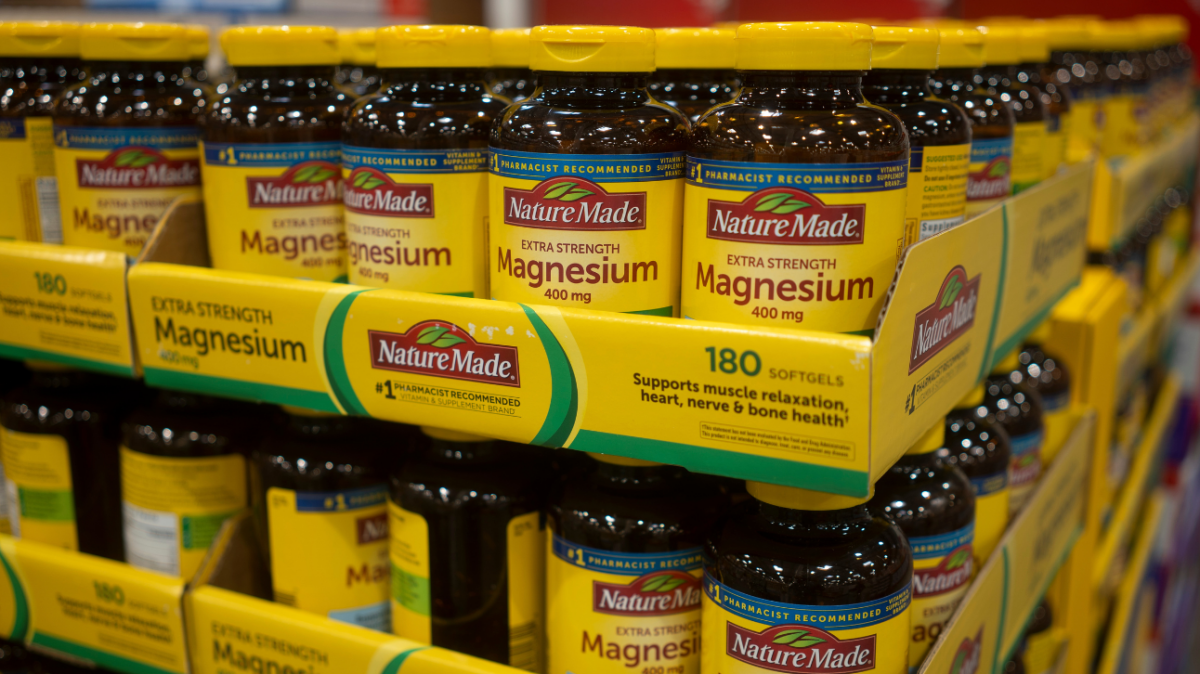
While supplements should not replace a comprehensive migraine treatment plan, some evidence suggests that certain supplements can help reduce the frequency and duration of migraines. Butterbur, when labeled "PA-free," has shown positive effects for migraine sufferers. Coenzyme CoQ10 has been found to reduce both the frequency and duration of migraines, but requires multiple daily doses. Magnesium has moderate evidence supporting its effectiveness in reducing migraine frequency. Riboflavin has a modest effect on reducing the number of migraines. Feverfew, although touted for migraine relief, has mixed research and a higher risk of side effects.