
Human brain tissue fully integrates into mouse brains, opening new disease research avenues
TL;DR
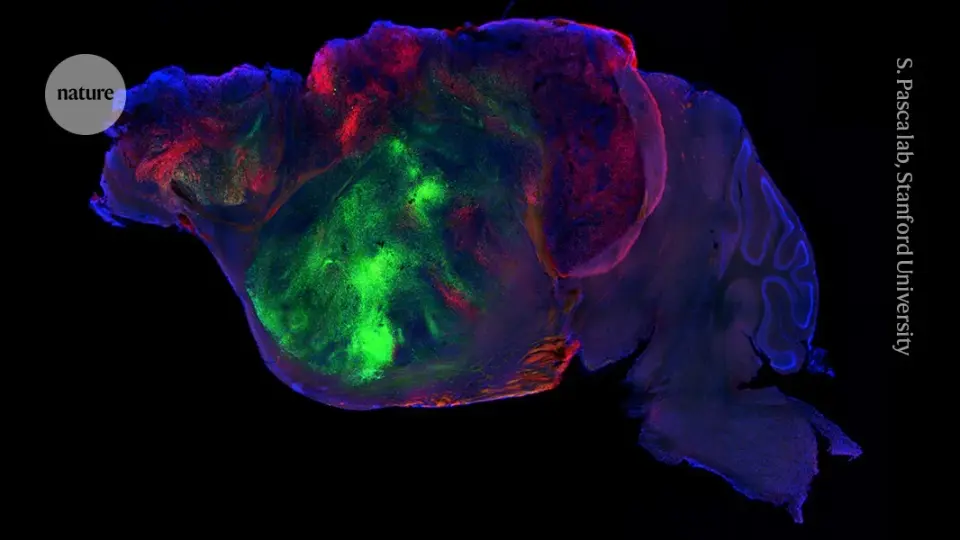
Researchers transplanted human brain tissue into newborn mice engineered to lack a cortical region. Within 2–3 months the graft expanded to fill more than 90% of the empty brain space and formed extensive neural connections, including von Economo-like neurons, wiring into the animals’ nervous systems. Described as the most extensive human-brain-cell integration in an animal to date, the work provides a powerful platform to study human neurodevelopment and test therapies for developmental brain disorders, while undergoing ethical oversight and without increasing the rodents’ intelligence.
- Human brain cells transplanted into mice in ‘most extensive’ integration ever Nature
- Developmental xenocortication using human-derived organoids in mice Nature
- Researchers have created a mouse with a partly human brain The Economist
- Scientists Fuse Human Neurons Into the Brains of Mice The New York Times
- Stanford Medicine team creates advanced model for studying brain development, disorders Stanford Medicine
Want the full story? Read the original reporting
Read on Nature