
Lab-Grown Brain Organoids Reveal Time Memory and Long-Term Maturation
TL;DR Summary
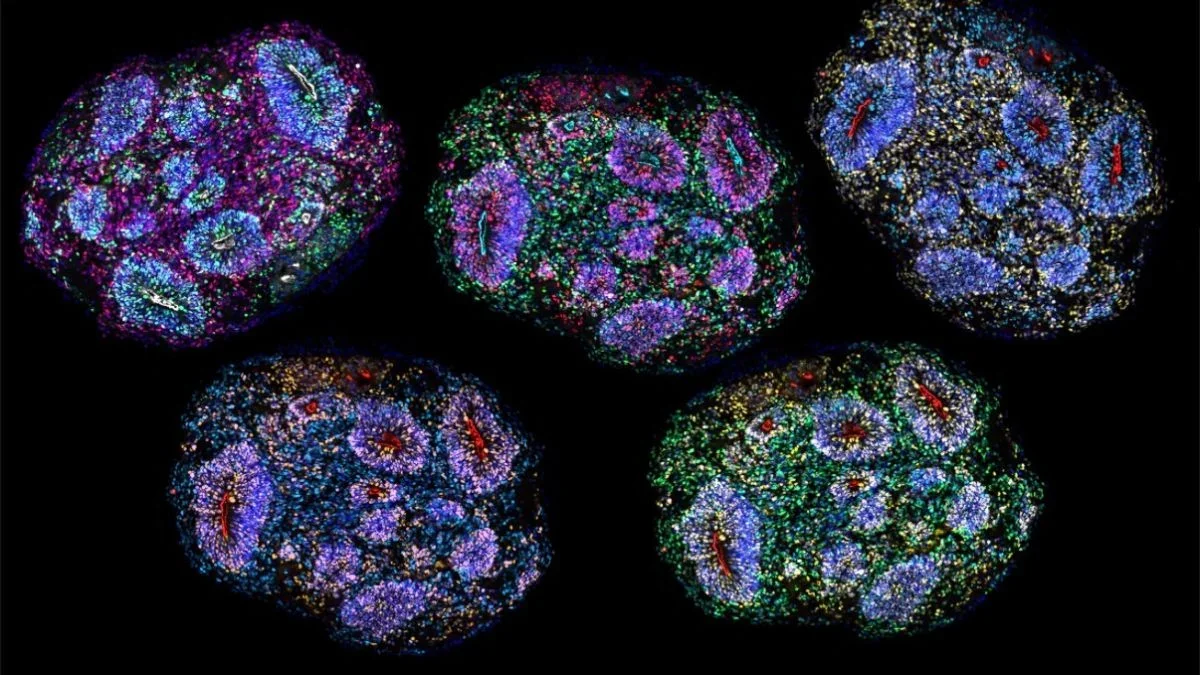
Researchers have created brain organoids that can sense the passage of time, retain a developmental age, and remain viable for up to six years in culture. Using epigenetic clocks and experiments where different-aged organoid components were reassembled into “chimeroids,” the study shows cells preserve a memory of their maturation history and can influence the pace of development, providing a powerful model for studying human brain maturation and neoteny in vitro.
- Unprecedented: Scientists Have Built Miniature Brains That Experience The Passage Of Time ScienceAlert
- ‘Mini brains’ kept alive for years appear to age like real brains Scientific American
- Human brain organoids record the passage of time over multiple years Nature
- Five-year-old human brain organoids aged on schedule The Transmitter
- 5-year-old brain organoids can sense the passing of time New Scientist
Reading Insights
Total Reads
0
Unique Readers
5
Time Saved
5 min
vs 6 min read
Condensed
94%
1,138 → 70 words
Want the full story? Read the original article
Read on ScienceAlert