
"Maximizing Mitochondrial Energy Production: Minimizing Collateral Damage"
TL;DR
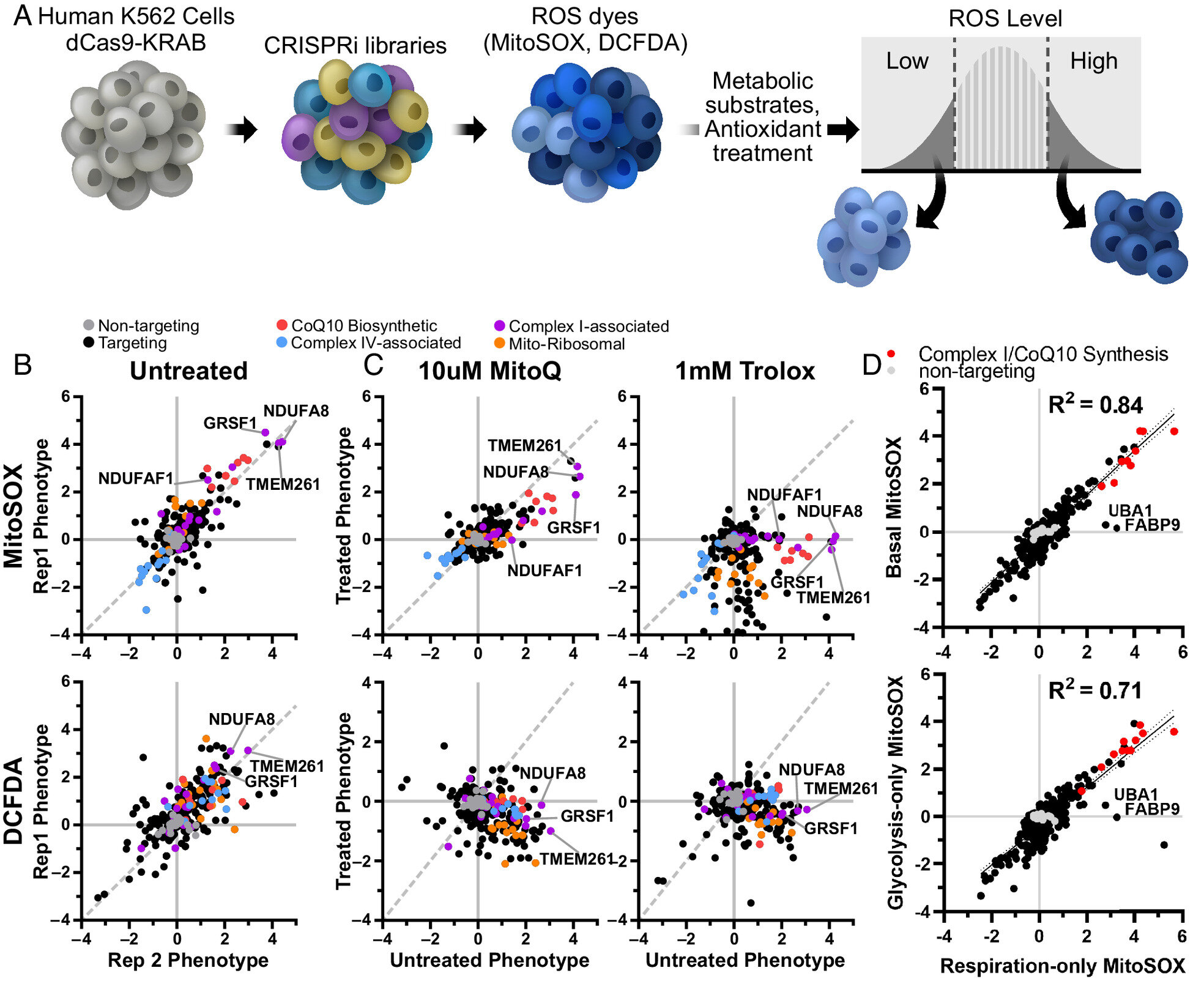
Scientists at Gladstone Institutes used CRISPR to identify molecules responsible for energy production and reactive oxygen species (ROS) in mitochondria, aiming to decouple energy from ROS production to develop therapies for neurodegenerative diseases. Their findings could lead to new treatment approaches for conditions like heart disease, diabetes, and cancer, as well as implications for healthy aging. The team plans to further research the impact of altered ROS levels on cellular health and validate their results in other cell types.
Topics:healthscience#crispr#energy-production#mitochondria#neurodegenerative-diseases#reactive-oxygen-species#science
Want the full story? Read the original reporting
Read on Phys.org