
Midlife Hippocampal Immune Shifts May Trigger Dementia Pathways
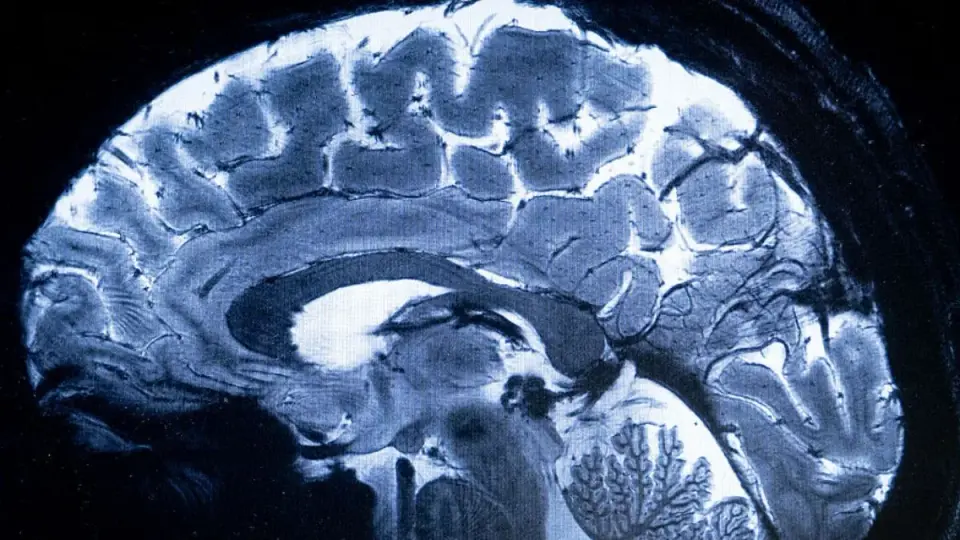
A new study reveals that the brain's immune landscape undergoes a critical transformation around age 50, potentially explaining the link between aging and dementia.
Key points
- Researchers analyzed nearly 320,000 cells from the hippocampus of 40 healthy individuals aged 20 to 95 using genetic, epigenetic, and 3D genome mapping techniques.
- The study found that resident brain immune cells, known as microglia, are progressively replaced between ages 50 and 75 by monocytes, which originate from the bloodstream.
- These replacement cells exhibit stronger inflammatory signatures, contributing to chronic neuroinflammation associated with neurodegenerative diseases like Alzheimer's.
- Astrocytes, which support neurons and maintain the blood-brain barrier, declined in number and showed signs of energy crisis, with reduced ATP production and increased cellular recycling.
- A tipping point around age 50 was identified where gene activity and epigenetic markers shifted dramatically, suggesting biological aging accelerates in distinct phases rather than a smooth decline.
Background
This research builds on recent findings that midlife behaviors and biological changes can foreshadow later brain health. For instance, earlier studies linked heavy midlife TV viewing to brain changes associated with Alzheimer's, particularly in men. Additionally, a 2026 atlas of the human brainstem provided detailed cellular maps that may help bridge medical imaging and pathology, potentially advancing understanding of neurodegenerative diseases. The current study adds a cellular-level perspective to these midlife risk factors.
How outlets are covering it
ScienceAlert and Genetic Engineering and Biotechnology News emphasize the structural and cellular remodeling of the hippocampus, highlighting the replacement of microglia by inflammatory monocytes and the decline of astrocytes. ScienceDaily focuses on the implications for Alzheimer's resilience, noting that different microglial states may determine whether pathology leads to dementia. DongA Science underscores the NIH's interest in understanding how aging leads to dementia, framing the immune cell shifts as a key clue. While all sources agree on the midlife tipping point, ScienceDaily highlights the potential for therapeutic interventions targeting microglial transitions, whereas the others focus more on the biological mechanisms of aging.
Why it matters
Understanding the cellular transitions in the aging brain could lead to new interventions that preserve brain function and reduce vulnerability to neurodegenerative diseases. By identifying the midlife tipping point, researchers may develop therapies that target specific immune cell states, potentially delaying or preventing dementia.
What to watch
Future studies will investigate the mechanisms driving the loss of resident microglia and determine whether the identified immune-cell transitions directly contribute to Alzheimer's disease and other age-related neurological disorders. Researchers aim to explore how these changes can be targeted therapeutically to preserve brain function.
- Brain Dramatically Remodels Its Cellular Composition, Starting in Midlife sciencealert.com
- A hidden Alzheimer’s tipping point may decide who gets dementia ScienceDaily
- Some Brains Survive Alzheimer’s Damage. Scientists Think They Know How Newsweek
- Midlife Brain Aging Linked to Immune Cell Remodeling, Blood-Brain Barrier Decline Genetic Engineering and Biotechnology News
- NIH NIA study links post‑50 hippocampal immune shifts to dementia 동아사이언스
Want the full story? Read the original reporting
Read on sciencealert.com