
Sanford Burnham Prebys Study Links SORLA Protein to Reduced Tau Tangles in Mice
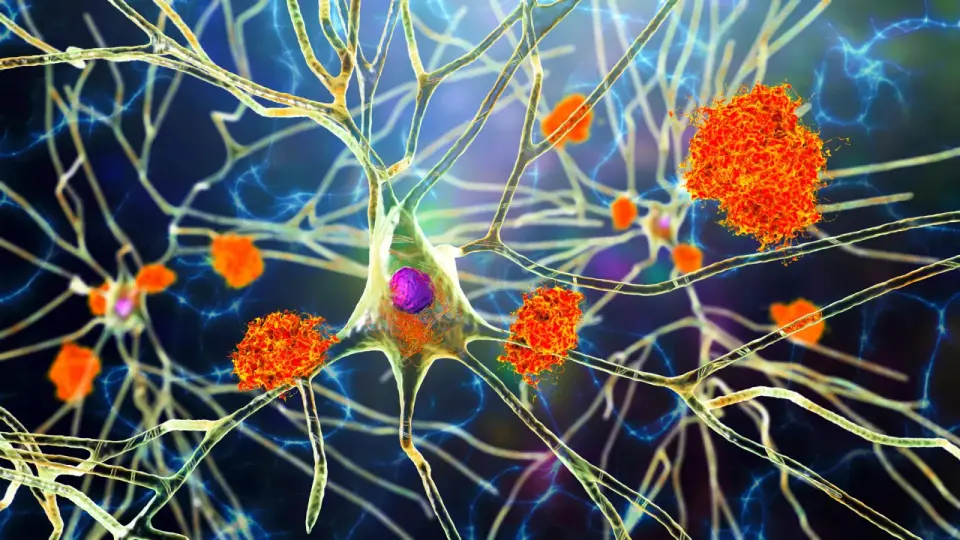
Researchers at Sanford Burnham Prebys found that increasing levels of the protein SORLA in mice reduced toxic tau tangles and brain shrinkage associated with Alzheimer's disease. The study, published in Science Advances, suggests that boosting this protective protein could lead to new treatments for neurodegenerative disorders.
Key points
- Scientists at Sanford Burnham Prebys discovered that higher levels of the protein SORLA reduce the buildup of toxic tau tangles in mice models of Alzheimer's disease.
- The study found that increased SORLA levels also helped preserve synapses and synaptic plasticity, which are essential for nerve cell communication and cognitive function.
- Conversely, mice lacking the SORLA gene exhibited more severe brain atrophy and tau accumulation, highlighting the protein's protective role.
- The research suggests that SORLA influences glial cell activity and may interact with plexin-B receptors, offering potential targets for repurposing existing drugs to treat tau-related dementia.
- The findings were published in Science Advances and were supported by the National Institutes of Health, National Cancer Institute, and National Institute on Aging.
Background
This research builds on recent findings regarding protective mechanisms against Alzheimer's disease. In November 2026, studies identified rare genetic variants that protect against dementia and revealed that the blood-brain barrier actively imports protective proteins like apolipoprotein A1. Earlier in October 2026, researchers identified specific molecular mechanisms for tau protein misfolding and linked brain waste clearance to a 40% drop in tau protein accumulation. These studies collectively highlight the importance of understanding natural resilience and protective pathways in combating neurodegenerative diseases.
Why it matters
The discovery that SORLA can reduce toxic tau tangles and preserve brain connections offers a promising new avenue for treating Alzheimer's disease and other forms of dementia. By identifying a protein that strengthens the brain's own protective mechanisms, researchers may develop therapies that either enhance SORLA activity or repurpose existing drugs to target damaging cellular pathways, potentially slowing or reversing cognitive decline.
What to watch
The research team plans to investigate how individual types of brain cells respond to changes in SORLA levels by transplanting human neurons or glial cells into mouse brains. This approach will help clarify how SORLA protects neurons from toxic tau accumulation in a human disease context and may lead to the development of new treatment strategies.
Want the full story? Read the original reporting
Read on Science Daily