
Spaceflight Reveals Genetic-Specific Alzheimer's Pathways in Brain Organoids
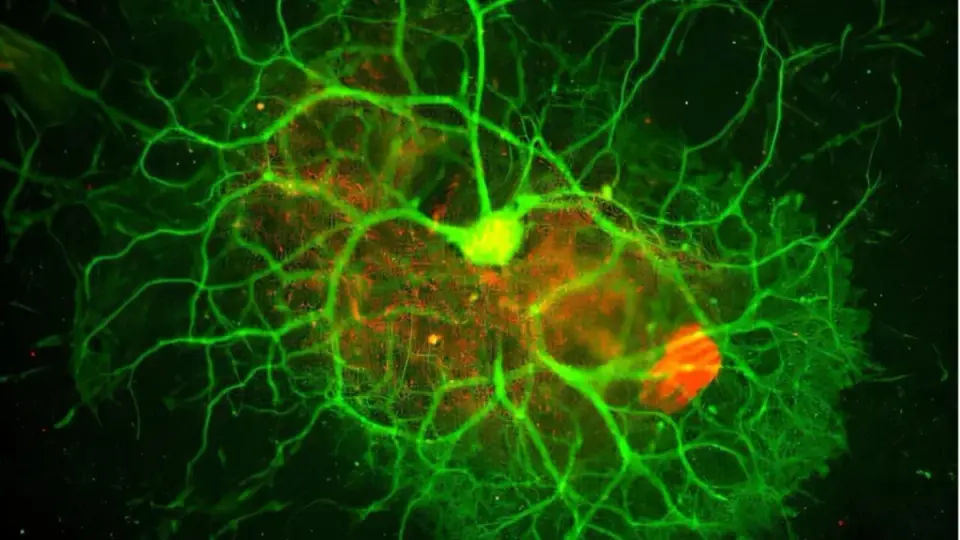
A new study published in Science Advances reports that human brain organoids carrying specific Alzheimer's-related genetic mutations exhibited distinct molecular changes after spending 40 days on the International Space Station. Researchers from UC San Diego found that spaceflight stress accelerated neurodegenerative markers, with different mutations triggering unique responses in amyloid-beta and tau proteins. The findings suggest space could serve as a unique environment for studying early-stage Alzheimer's pathology, potentially leading to new targeted treatments.
Key points
- UC San Diego researchers sent brain organoids with mutations in APP, PSEN1, and PSEN2 genes to the ISS in March 2024 for a 40-day experiment.
- Organoids with APP mutations showed increased amyloid-beta 42, while PSEN2 mutations led to higher levels of modified tau protein.
- PSEN1 mutations resulted in the most extensive gene activity changes, with 7,404 genes differing between space and ground samples.
- A stress-response protein called CIRBP increased across all organoid groups, suggesting it may be a shared biomarker for neurodegeneration.
- The study is the first to model Alzheimer's disease with brain organoids in space, revealing that different genetic forms respond differently to the same stress.
Background
This research builds on prior UC San Diego experiments that used brain organoids to study microgravity's effects on brain aging and neurodegeneration. A previous mission in 2023 found accelerated molecular aging in space, and earlier work on Rett syndrome organoids led to a clinical trial for a candidate treatment. The current study is part of a broader effort to use spaceflight as a tool for understanding neurodegenerative diseases, with future plans to include more complex organoid systems and immune cells.
How outlets are covering it
ScienceAlert emphasizes the potential of spaceflight to reveal early Alzheimer's changes that are difficult to detect on Earth, highlighting the unique stresses of microgravity and radiation. UC San Diego Today focuses on the genetic-specific responses, noting that different mutations produced distinct changes in disease-related proteins and gene activity, and highlights the potential for targeted treatments. DongA Science underscores the gene-specific pathways and the potential for new drug development, while Mirage News frames the study as a probe into neurodegeneration, emphasizing the harsh conditions of space as a unique experimental setting. All sources agree on the preliminary nature of the findings and the need for further research to determine if space-observed changes can be reproduced on Earth.
Why it matters
The study suggests that spaceflight could accelerate the detection of early Alzheimer's pathology, potentially leading to new targeted treatments. The findings highlight the importance of genetic background in disease progression and could inform the development of new therapies for neurodegenerative diseases. Additionally, the research may have implications for protecting astronauts on long-duration space missions, as understanding how cells adapt to stress in space could inform strategies to protect human health in extreme environments.
What to watch
The research team plans to continue this line of research with new funding from NASA, including a $12 million grant to DOXA Space, with $3.5 million allocated to UC San Diego. Future studies will aim to determine if the changes observed in space can be reproduced on Earth and whether proteins like CIRBP play a meaningful role in Alzheimer's development. The team also plans to develop more complex organoid systems, including those with immune cells, to provide a more realistic simulation of Alzheimer's progression.
- Human 'Mini Brains' Spent 40 Days in Space. Scientists Found Clues to Alzheimer's. ScienceAlert
- UC San Diego Brain Organoids in Space Reveal New Clues to Alzheimer’s Disease UC San Diego Today
- Mini brain organoids in ISS reveal gene-specific Alzheimer’s pathways DongA Science
- Spaceflight Study Probes Neurodegeneration in Brain Organoids Mirage News
- Changes linked to Alzheimer’s detected in brain organoids on the ISS — ScienceAlert UA.NEWS
Want the full story? Read the original reporting
Read on ScienceAlert