
Microgravity Slows Gut Transit, Triggering Protein Fermentation in Astronauts
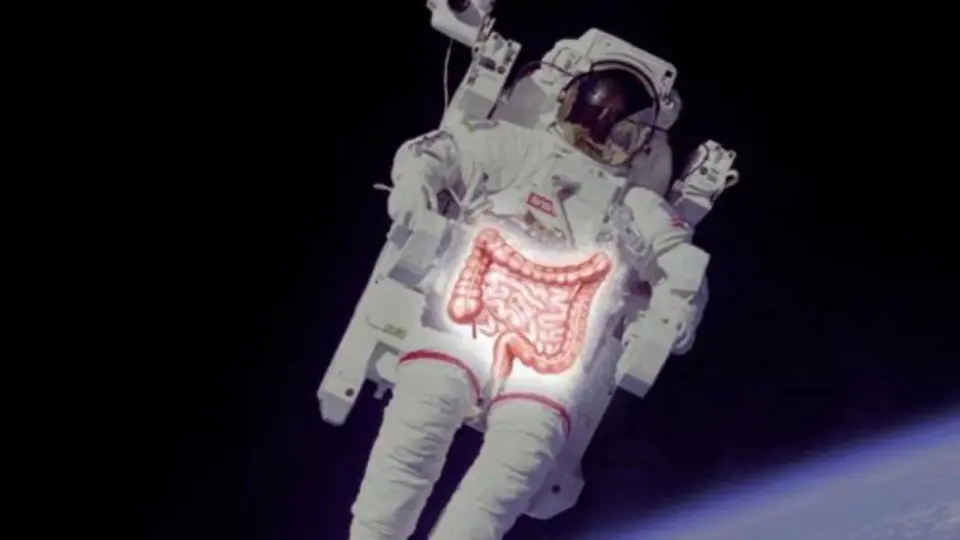
A new study reveals that microgravity slows intestinal transit, causing gut bacteria to shift from digesting fiber to fermenting protein. This metabolic change, detected in blood samples from 52 astronauts, explains chronic constipation in space and suggests dietary fiber interventions for future Mars missions.
Key points
- Researchers from the University of Copenhagen and NASA analyzed 488 blood samples from 52 astronauts who spent two to nine months on the ISS between 2006 and 2018.
- The study found that gut bacteria begin fermenting protein instead of fiber within weeks of arriving in space, a shift that persists until the astronauts return to Earth.
- Microgravity likely slows the movement of food through the intestines, depleting fiber sources and forcing bacteria to consume protein, which produces metabolites linked to kidney damage and mood changes.
- The metabolic changes reversed within days of landing, and a statistical model identified spaceflight samples with a 2.6% error rate, though diet accounted for only 27.5% of the observed changes.
- Researchers propose increasing dietary fiber and prebiotics in space diets to mitigate protein fermentation, a strategy that may also benefit bedridden patients on Earth who suffer from similar constipation issues.
Background
Previous spaceflight studies often compared only pre- and post-mission samples or focused on small cohorts, limiting their ability to track real-time metabolic shifts. This research builds on earlier findings regarding astronaut health challenges, such as bone loss and cardiovascular changes, by focusing on the gastrointestinal system. The findings align with broader concerns about long-duration missions to Mars, where maintaining digestive health is critical for crew well-being over months or years in orbit.
How outlets are covering it
Space.com and U.S. News & World Report emphasize the direct link between microgravity and slowed gut transit, highlighting the potential for dietary interventions. Srpske Novine notes that the study is observational and cannot prove causation, pointing out that the slower transit is an assumption rather than a direct measurement. StudyFinds provides additional detail on the statistical robustness of the findings, noting that diet explained only 27.5% of the metabolic changes and that caffeine and fish intake also shifted during missions. All sources agree that the shift to protein fermentation is a significant finding, but they differ in their emphasis on the limitations of the observational design versus the potential for practical dietary solutions.
Why it matters
Understanding the metabolic changes caused by microgravity is crucial for planning future long-duration missions to the Moon and Mars. By identifying the shift to protein fermentation, researchers can develop targeted dietary strategies to maintain astronaut health. Additionally, the findings may offer insights into managing constipation and related health issues in bedridden patients on Earth, demonstrating the broader applicability of space research to terrestrial medicine.
What to watch
Researchers plan to verify whether increased dietary fiber and prebiotics can effectively reduce protein fermentation in future space missions. Further studies will aim to isolate the effects of microgravity from other factors of spaceflight, such as diet and stress, to confirm the causal relationship. Additionally, the findings may lead to new interventions for bedridden patients on Earth, who experience similar constipation issues due to reduced mobility.
- It's harder to poop in space. Scientists may finally know why Space
- The surprising bathroom problem scientists are studying in space KXAN Austin
- Astronaut Guts Turn to Protein Fermentation in Weeks srpske.rs
- Astronauts’ Blood Hints At Why Spaceflight Causes Constipation StudyFinds
- Constipation In Space: A New Study Provides Answers U.S. News & World Report
Want the full story? Read the original reporting
Read on Space