Tag

Astronaut Health

All articles tagged with #astronaut health

Space constipation explained: microgravity reshapes gut bacteria and risks on long missions
space7 days ago

Space constipation explained: microgravity reshapes gut bacteria and risks on long missions

A NASA-backed Nature Communications study analyzed more than 400 blood samples from 52 astronauts who stayed on the International Space Station for 2+ months (2006–2018) and found microgravity slows gut movement and shifts gut bacteria to ferment protein more than usual, helping explain space constipation. While dietary changes (caffeine, fish, fat) influence metabolites, microgravity is the main driver; the resulting protein‑fermentation byproducts may be linked to kidney stress, mood changes, and gut inflammation—risks that could grow on longer missions to Mars. Researchers suggest countermeasures like higher‑fiber diets, probiotics, or ways to boost peristalsis, noting the findings could also illuminate bed‑rest effects on Earth.

NASA Sets Breathable Mars Dust Limit Ahead of Human Missions
space20 days ago

NASA Sets Breathable Mars Dust Limit Ahead of Human Missions

NASA has formed the Martian Dust Limit Working Group to determine how much Martian dust astronauts can safely breathe before any crewed missions land. Mars dust is rich in perchlorates, silica, and heavy metals, raising cancer and health concerns—especially if Martian soil is used to grow crops in habitats. Experts emphasize prevention: keep dust out of habitats, remove it quickly when it enters, monitor airborne particles, and design life-support systems accordingly. Because no Mars dust has yet been returned for testing, the limit is based on lunar toxicology, simulated soils, and rover measurements.

In Microgravity, the Body Rewrites Itself—and Some Changes Linger After Return
science24 days ago

In Microgravity, the Body Rewrites Itself—and Some Changes Linger After Return

Months in space trigger a headward fluid shift that makes astronauts look puffy, while bones lose mineral, muscles shrink (calf ~15%), and the heart becomes smaller with less work to do; the spine lengthens in orbit and briefly grows taller, then returns after landing. Eye changes linked to spaceflight-associated neuro-ocular syndrome raise vision concerns on long missions. NASA’s Twin Study showed most changes reverse on return, but about 7% of gene activity remained altered for months and some cognitive and vascular changes persisted. Exercise and nutrition blunt these effects but don’t fully prevent them, underscoring the need for better countermeasures—possibly artificial gravity—for future multi-year missions to Mars.

In-orbit X-rays: portable imaging debuts for astronauts and remote clinics
space-exploration1 month ago

In-orbit X-rays: portable imaging debuts for astronauts and remote clinics

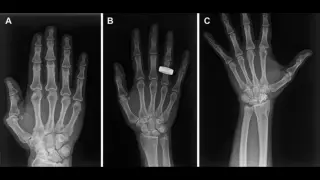
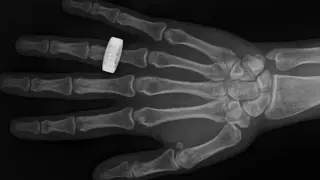
The Fram2 mission aboard SpaceX’s Crew Dragon achieved the first in-space X-rays. Four crew members, with about four hours of training, used a portable X-ray device to image a smartwatch, a hand, an abdomen, a pelvis, and a chest in orbit. The resulting images were good enough to aid injury diagnosis and hardware checks, and the device survived launch and re-entry with minimal damage. Experts say portable, rugged, compact X-ray systems could boost crew health care on future missions and even improve medical access on Earth in rural areas; researchers aim to further shrink and harden the technology. The study was published in Radiology on July 14.

Orbiting X-Rays Break Ground in Space Medicine
science1 month ago

Orbiting X-Rays Break Ground in Space Medicine

SpaceX’s Fram2 mission conducted the first in-orbit medical X-ray scans with a portable X-ray device, capturing diagnostic-quality images of the hand, forearm, abdomen, pelvis, and chest that were reviewed by three radiologists. The inflight results show radiography can supplement ultrasound for astronaut health, diagnose injuries, and even assess equipment or space-suit integrity, marking a path toward more capable space diagnostics. Future work will aim to miniaturize and harden X-ray systems for vacuum and deep-space use, with real-time imaging guidance for astronauts on Moon missions.

Pencil-Sized Plasma Gun Aims to Sanitize Spacewear
space-and-spaceflight3 months ago

Pencil-Sized Plasma Gun Aims to Sanitize Spacewear

A University of Alabama in Huntsville team has developed a pencil-sized cold-plasma “laundry gun” that blasts fabrics with a plasma jet to kill bacteria and odors, potentially keeping astronauts’ clothes cleaner in space. While proof-of-concept and small-scale, the technology could one day sterilize spacesuits and tools for long missions; researchers plan to increase the device size and add filters to reduce ozone byproducts as they work toward practical use in space.

Unexplained Illness Triggers NASA’s First ISS Medical Evacuation
space-and-spaceflight5 months ago

Unexplained Illness Triggers NASA’s First ISS Medical Evacuation

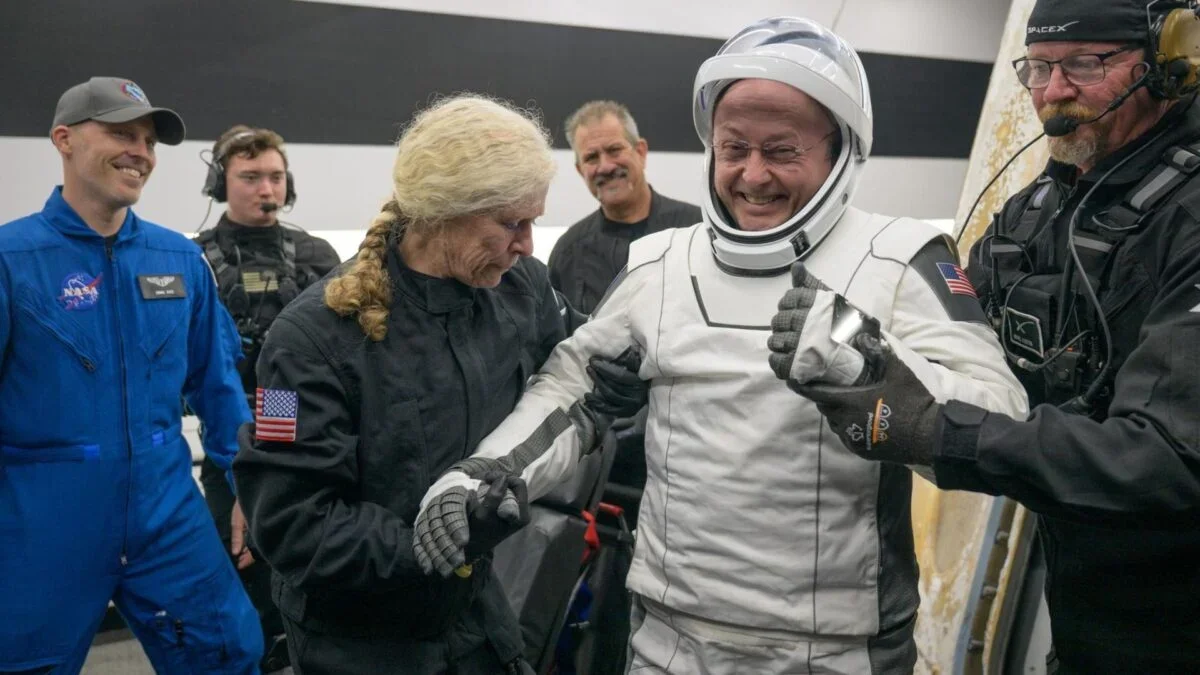
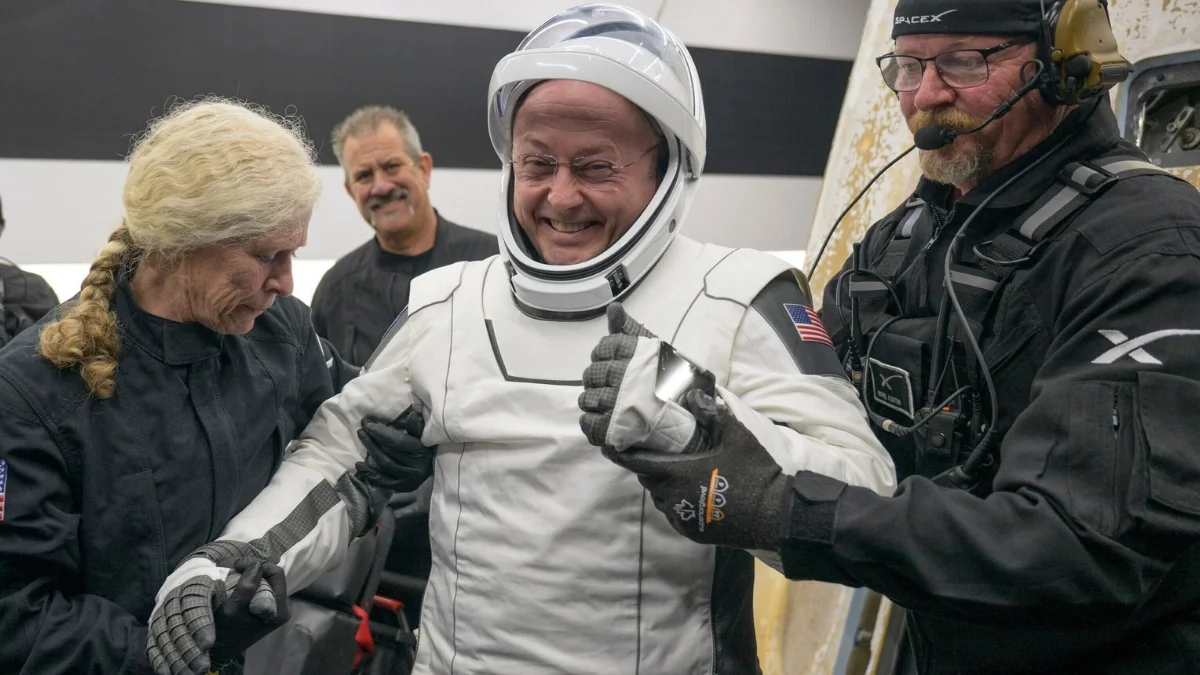
NASA's Crew-11 faced an abrupt on-orbit medical emergency when Mike Fincke suddenly lost the ability to speak during dinner, prompting NASA's first ISS medical evacuation in 25 years; he was returned to Earth after on-board care using ultrasound, and doctors say the cause remains unclear but likely space-related, with researchers planning further investigation.

Silent in Space: Fincke’s Mysterious Illness Shuts Down Spacewalk
science5 months ago

Silent in Space: Fincke’s Mysterious Illness Shuts Down Spacewalk

NASA astronaut Mike Fincke suddenly couldn’t speak during a Jan. 7 meal on the International Space Station; doctors ruled out a heart attack and are continuing to investigate a roughly 20-minute episode that prompted a medical evacuation, the early return of the crew, and the cancellation of a planned spacewalk, with Fincke undergoing tests as NASA reviews for similar incidents.

NASA to Send Human Cells on Microchips to the Moon for Space Research
science11 months ago

NASA to Send Human Cells on Microchips to the Moon for Space Research

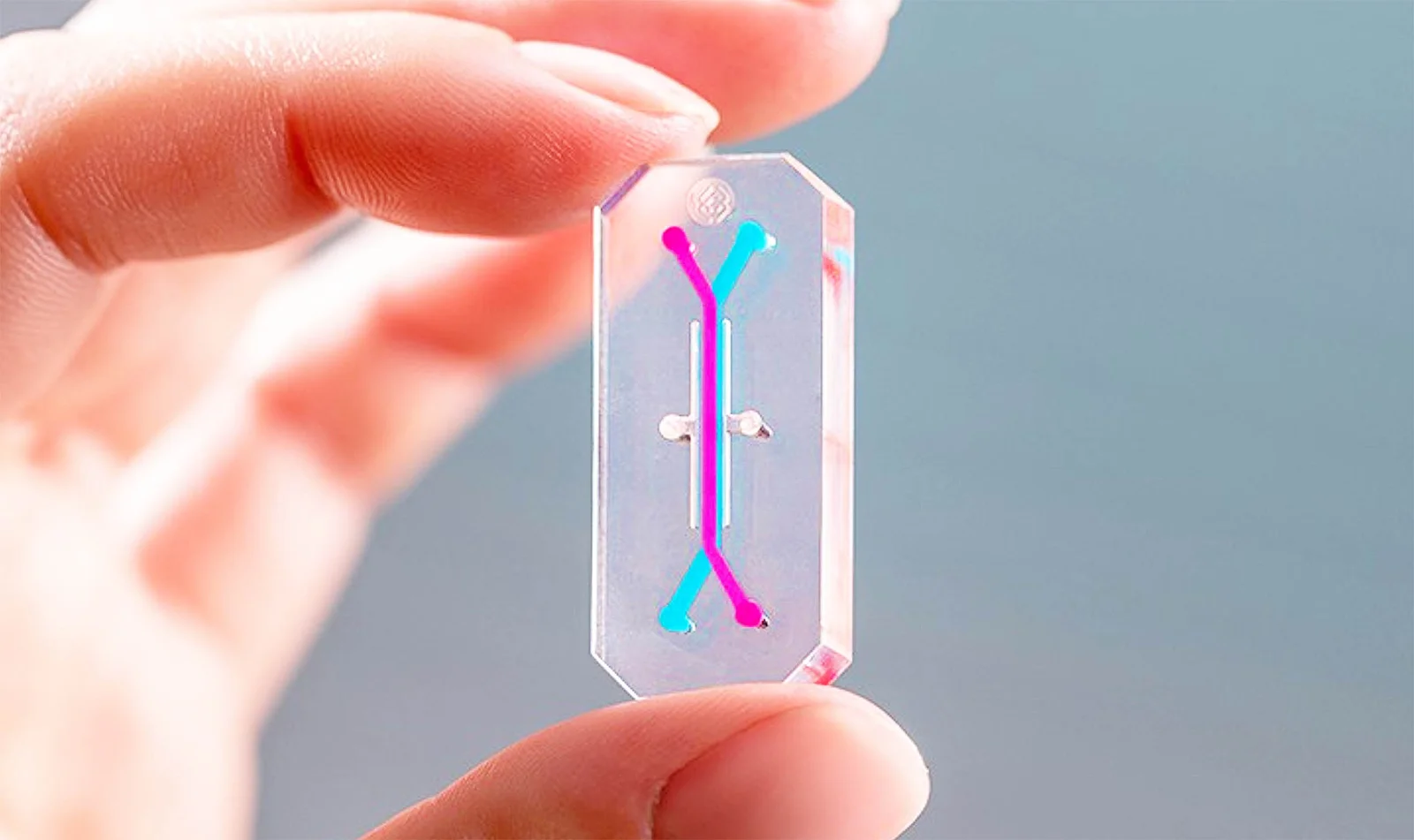
NASA is deploying tiny lab devices called organ chips with human cells aboard Artemis II to study how space affects human biology, focusing initially on bone marrow, to improve health protections for astronauts on lunar and Mars missions. These chips will help personalize medical care, predict responses to space radiation, and enhance safety during long-duration space travel.

Preparing Humans for Mars: Medical Challenges and Space Medicine Solutions
science-and-technology1 year ago

Preparing Humans for Mars: Medical Challenges and Space Medicine Solutions

The article discusses the challenges of human space travel, particularly to Mars, highlighting how space medicine can improve astronaut health and potentially benefit health on Earth by addressing issues like osteoporosis, muscle loss, and metabolic changes caused by microgravity. It also notes that current astronaut selection is limited by health criteria, but advances in space medicine could broaden eligibility and support long-term space missions.

Spaceflight's Mixed Impact on Astronauts' Cognitive Health
science1 year ago

Spaceflight's Mixed Impact on Astronauts' Cognitive Health

A recent NASA study on 25 astronauts who spent six months on the International Space Station found that while space travel can temporarily affect cognitive functions like processing speed and decision-making, there is no evidence of lasting cognitive impairment or neurodegenerative decline. The study, published in Frontiers in Physiology, provides valuable insights for future deep-space missions, although its small sample size limits definitive conclusions.

NASA Astronauts Debunk Health Rumors from Space
space1 year ago

NASA Astronauts Debunk Health Rumors from Space

NASA has refuted tabloid rumors about the health of astronauts Suni Williams and Butch Wilmore aboard the International Space Station, confirming they are in good health. Speculation arose from photos suggesting Williams appeared gaunt, but she clarified her weight remains unchanged, attributing any physical changes to exercise in microgravity. NASA's chief health officer emphasized that astronaut health is closely monitored, and there are sufficient supplies on the ISS until their scheduled return in February 2025.