
Immortal Jellyfish Research Offers New Pathways for Reversing Age-Related Human Diseases
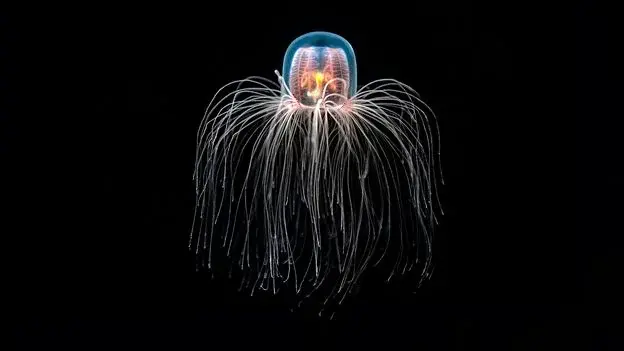
Scientists are studying the Turritopsis dohrnii, or 'immortal jellyfish,' to understand how it reverts to a juvenile state, aiming to apply these cellular rejuvenation mechanisms to treat age-related human diseases like Alzheimer's and heart damage.
Key points
- The Turritopsis dohrnii can reverse its life cycle from an adult medusa to a polyp stage, effectively resetting its biological age.
- Researchers at Texas A&M University and Johns Hopkins are investigating the genetic 'switches' that allow this transdifferentiation process.
- A 2022 study found the species has extra gene copies for DNA repair and telomere maintenance, key factors in longevity.
- The goal is not to reverse human aging entirely, but to rejuvenate specific tissues to heal wounds or treat neurodegeneration.
- Despite its resilience, the species remains vulnerable to environmental factors, and some individuals may eventually die of old age.
Background
This research aligns with recent advances in regenerative medicine, such as the FDA approval of gene therapies for rare diseases like glycogen storage disease in September 2026. It also complements new genetic atlases of the human brain that distinguish between normal aging and disease-related decline, providing a broader framework for targeting age-related biological degradation.
Why it matters
Understanding the molecular mechanisms behind the immortal jellyfish's ability to rejuvenate could lead to breakthroughs in treating chronic, age-related conditions. By identifying common genetic pathways between the jellyfish and humans, scientists may develop therapies that reverse cellular damage in organs and tissues, potentially extending healthy lifespan and improving recovery from strokes or heart attacks.
What to watch
Maria Miglietta and Michael Koldobskiy are collaborating to map the specific genes activated during the jellyfish's cyst stage. The next step is to determine if these genetic triggers can be safely induced in human cells to promote tissue regeneration without causing unintended side effects.
Want the full story? Read the original reporting
Read on BBC