
Thawing Permafrost Triggers Toxic Orange Rivers in Remote Alaska
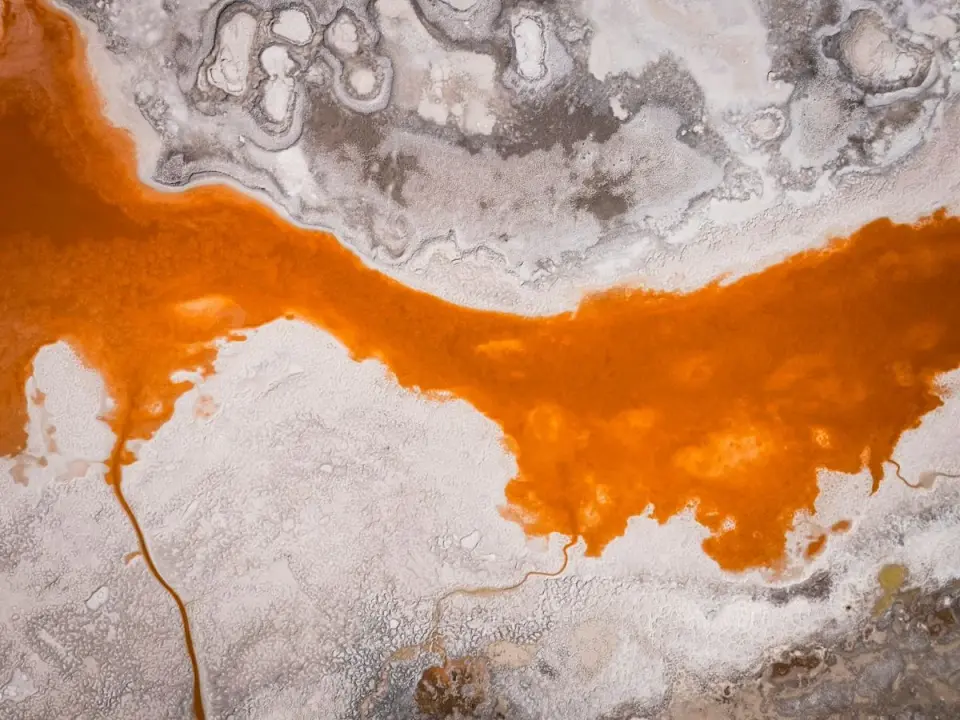
Climate-driven thawing of permafrost in Alaska is causing ancient minerals to oxidize, releasing toxic metals and turning remote rivers orange. A 2024 study documented over 70 such cases, finding metal levels up to 70 times higher than normal in some watersheds, though major fish die-offs have not yet been observed.
Key points
- In 2018, USGS researchers observed a small tributary in Alaska turn orange, eliminating local fish populations, a phenomenon initially thought to be an isolated incident.
- Subsequent research identified over 70 similar cases across remote Alaska, linking the discoloration to 'acid rock drainage' caused by water seeping into thawing permafrost.
- A 2024 study in Communications Earth & Environment confirmed that thawing permafrost releases metals such as iron, aluminum, and cadmium when ancient minerals oxidize.
- Follow-up research in AGU Advances found metal concentrations up to 70 times higher than normal in watersheds approximately 60 miles downstream from the source.
- Warm, wet conditions in 2018-2019, including Alaska's hottest July on record, exacerbated the issue by allowing water to penetrate deeper into the soil before refreezing.
Background
This event is distinct from earlier reports in September 2026 regarding iron oxyhydroxide minerals storing water deep within Earth's mantle. While those studies focused on geological water reserves near the core, the current issue involves surface-level environmental degradation in boreal forests due to climate change. It also differs from the Camp Lejeune water contamination settlements, which involved human-made toxic drinking water rather than natural mineral oxidation.
Why it matters
The discovery demonstrates that even the most remote and pristine ecosystems are vulnerable to climate change impacts. The release of toxic metals like cadmium and nickel poses long-term risks to water quality and ecosystem health, highlighting the complex and often unexpected consequences of permafrost thaw.
What to watch
Researchers will continue monitoring these watersheds to assess long-term ecological impacts. While current data shows some resilience in river pH levels, the potential for metals to travel long distances suggests that downstream communities and ecosystems may face future challenges as permafrost continues to thaw.
Want the full story? Read the original reporting
Read on Yahoo