
UN declares 1.5C target breached, demanding 18% global emission cuts by 2030
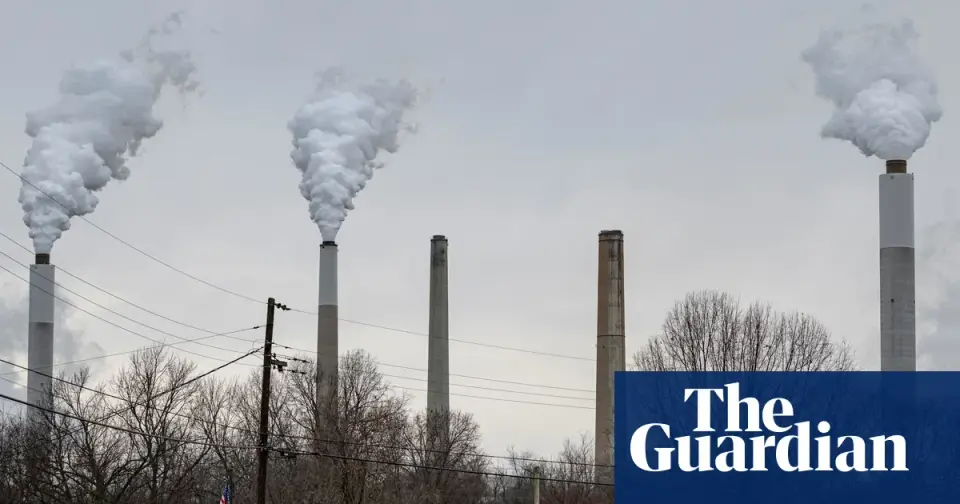
The UN Environment Programme (UNEP) has declared that the 1.5C warming limit is no longer achievable, marking the first time the body has called the overshoot 'imminent and unavoidable.' To limit peak warming to 1.7C, the world must cut emissions by 18% by 2030 and 45% by 2035. Current pledges are insufficient, with existing policies projected to lead to 2.8C warming by 2100.
Key points
- UNEP states the window to stay within 1.5C has closed, but limiting the overshoot is still possible.
- The report requires an 18% emission cut by 2030 and 45% by 2035 to keep peak warming near 1.7C.
- Current national pledges would only reduce emissions by 5-8% by 2030, leading to 2.6C warming.
- The US withdrawal from the Paris Agreement has worsened the emissions gap and increased projected warming.
- Achieving the target requires tripling renewable capacity by 2035 and phasing out coal by 2040.
Background
This report follows earlier warnings about committed ice loss and rising global temperatures. The 2026 Emissions Gap Report, titled 'The Point of Return,' updates previous assessments by shifting focus from avoiding 1.5C to minimizing the duration and severity of the overshoot. It arrives ahead of the COP31 climate summit in Turkey, where governments are expected to update their nationally determined contributions.
How outlets are covering it
The Guardian and CNN both emphasize the 'closed window' for 1.5C but differ in tone. The Guardian highlights the political failure of major fossil fuel producers like the US and Saudi Arabia, while CNN focuses on the economic and human costs of each additional 0.1C of warming. Unric provides a more technical breakdown, detailing the specific phase-out timelines for coal, oil, and gas, and the massive carbon removal requirements (320 gigatons by 2100). All sources agree that current policies are inadequate, but Unric and CNN stress the need for 'leadership gaps' to be closed through rapid electrification and methane reduction.
Why it matters
The report redefines the global climate strategy from prevention to damage control. It signals that the Paris Agreement's core target is missed, forcing a shift toward minimizing the 'overshoot' to avoid irreversible tipping points in ice sheets and ocean circulation. The urgency is heightened by the US withdrawal from the agreement and the need for immediate, drastic policy changes to prevent 2.8C warming.
What to watch
Governments will face pressure at COP31 in Turkey to submit stronger commitments. The UN Secretary-General has called for '6% annual cuts' until 2035. The IPCC is expected to publish a report before the 2028 global stocktake, though delays have raised concerns about the timeline for assessing progress.
- World must cut emissions by 18% in four years ‘to find our way back’, UN says The Guardian
- United Nations report highlights significant increase in U.S. climate pollution NPR
- US is a big reason for the world losing ground in the fight against climate change, UN report says The Boston Globe
- As climate summit approaches, UN reports existing 1.5C warming limit is no longer achievable CNN
- Climate: The 1.5°C goal of the Paris Agreement is no longer viable Unric
Want the full story? Read the original reporting
Read on The Guardian