
Qatar PM Warns of 'Earthquake' from US-Israel-Iran War, Pledges $38bn in Domestic Investment
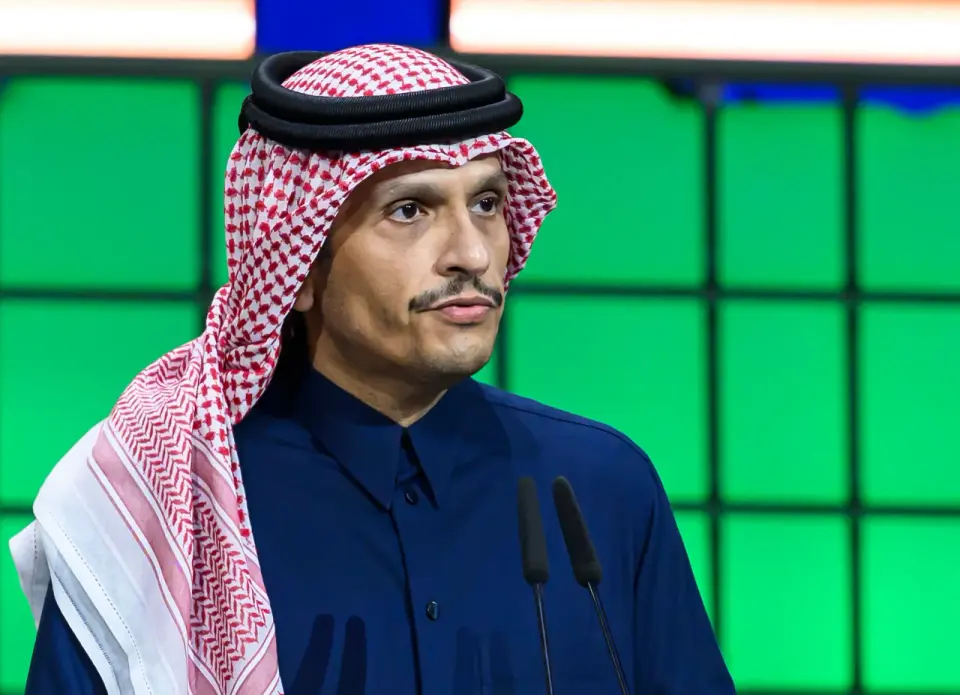
Qatar’s Prime Minister Sheikh Mohammed bin Abdulrahman bin Jassim Al Thani described the economic and security fallout of the US-Israel war on Iran as an 'earthquake' with shockwaves extending beyond the Middle East. Speaking at the Qatar Economic Forum in New York on September 20, he urged states to respect sovereignty to prevent cycles of escalation. While acknowledging the conflict’s impact, Qatar pledged $38 billion in domestic infrastructure spending over five years to signal resilience. Simultaneously, Doha continues mediating between Washington and Tehran, with Qatari officials claiming the US seeks a deal to end hostilities.
Key points
- Sheikh Mohammed bin Abdulrahman bin Jassim Al Thani stated that the US-Israel war on Iran has caused an 'earthquake' challenging global security and stability assumptions.
- Qatar has committed to $38 billion in domestic infrastructure investments over the next five years to attract private capital and demonstrate economic resilience despite regional conflict.
- Qatari Foreign Ministry spokesman Majed Al-Ansari confirmed ongoing mediation efforts to restart talks between the US and Iran, citing assurances from Washington that it seeks an agreement.
- The UN General Assembly, running from September 21 to 25, is expected to feature high-level discussions on Middle East security and global ramifications of the conflict.
- Sheikh Mohammed emphasized that permanent security cannot be achieved through arrangements that leave any state exposed, calling for a framework where no state poses a threat to another.
Background
This diplomatic push follows earlier reports from September 19, where Iran’s security chief Mohsen Rezaei stated that Tehran had sent formal conditions to Washington via Qatari mediators to end the war, including a halt to naval blockades and the release of frozen funds. These efforts occur amid a UN fact-finding mission that recently cited possible war crimes in US strikes inside Iran, a finding Washington rejected as anti-American rhetoric. The current mediation aims to bridge these gaps and restart dialogue during the UN General Assembly session.
How outlets are covering it
Al Jazeera focuses on the economic and security 'earthquake' caused by the war, highlighting Qatar’s domestic investment strategy as a response to regional instability. Mehr News Agency emphasizes the diplomatic progress, specifically claiming that the US administration has assured Qatar it wants to reach an agreement with Tehran, framing the mediation as a successful shuttle diplomacy effort. The Sunday Guardian provides a broader conflict context, noting recent Israeli air attacks in southern Lebanon alongside Qatar’s call for regional restraint, suggesting the conflict remains active despite diplomatic efforts. While Al Jazeera and Mehr agree on the mediation’s importance, they differ in emphasis: Al Jazeera highlights the structural economic damage, whereas Mehr focuses on the political willingness of the US to negotiate.
Why it matters
The characterization of the conflict as an 'earthquake' signals a shift in how Gulf states view regional security, moving from temporary crises to systemic instability. Qatar’s $38 billion investment pledge indicates a strategic pivot toward domestic resilience to mitigate external shocks. Furthermore, the active mediation between the US and Iran suggests that diplomatic channels remain open despite ongoing military tensions, potentially influencing the trajectory of the war and global energy markets.
What to watch
Gulf leaders are scheduled to meet with US President Donald Trump on Tuesday during the UN General Assembly, where the message of respecting sovereignty and de-escalation is expected to be reiterated. The outcome of the Qatari mediation efforts, particularly whether the US and Iran agree to resume formal talks, will be a key indicator of whether the 'earthquake' of the war can be stabilized. Additionally, the impact of the $38 billion investment plan on Qatar’s economy and its ability to attract private investors will be monitored in the coming months.
- Qatar PM describes fallout of US-Israel war on Iran as ‘earthquake’ Al Jazeera
- Qatari Premier Says Gulf States Have to Act Together on Iran bloomberg.com
- Qatari spokesman claims US seeking agreement with Iran Mehr News Agency
- US-Israel-Iran War Latest Live News: Israeli Air Attack Near Qantara in Southern Lebanon as Qatar PM Urges Regional Restraint The Sunday Guardian
- Qatari spokesman on regional war and the path back to U.S.-Iran talks PBS
Want the full story? Read the original reporting
Read on Al Jazeera