
Trump Halts $4B Annual Aid to Israel as US Midterms Focus on AI Infrastructure
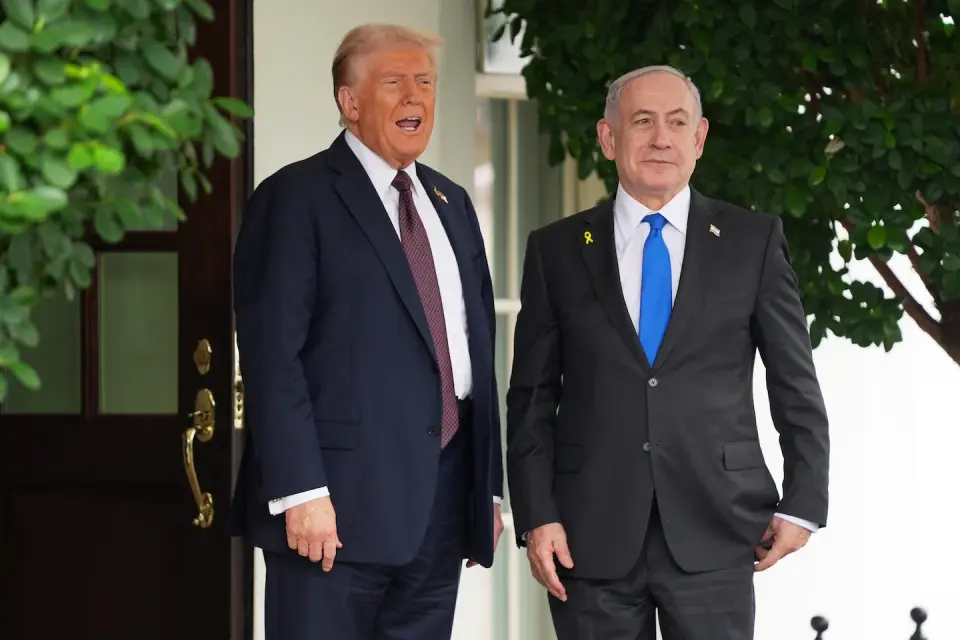
President Trump announced the termination of a $4 billion annual funding agreement for Israeli arms purchases, ending a 2016 pact early. Simultaneously, US midterm elections are being framed as a referendum on AI data center expansion, with 41 local ballot measures addressing these facilities.
Key points
- The US will cease providing $4 billion annually to Israel for American weaponry, ending a 2016 agreement scheduled to expire in 2028.
- Wall Street views the midterms as high-stakes, with a split Congress seen as favorable for markets due to legislative gridlock.
- 41 data center-related ballot measures are being decided in the midterms, with over half located in Ohio.
- Public opposition to data centers has grown, with 70% of US adults opposing local construction according to a March Gallup poll.
- The Nasdaq 100 entered correction territory in early November, falling 10% from its October record high.
Background
This shift in US-Israel defense funding follows recent tensions regarding Israeli defense contractors and US diplomatic roles, including Jared Kushner’s financial ties to Israeli military suppliers. It also contrasts with recent US tech investments in Israeli quantum computing firms like Classiq.
How outlets are covering it
The Washington Post focuses exclusively on the diplomatic and financial implications of halting the $4 billion arms funding pact. In contrast, the Financial Times and Gizmodo emphasize the domestic economic impact of the midterms, specifically regarding AI infrastructure. The Financial Times highlights market volatility and the preference for a divided government, while Gizmodo details the specific local ballot measures opposing data center construction due to noise, pollution, and housing costs. The outlets do not contradict each other but cover distinct aspects of the same election cycle: foreign policy versus domestic infrastructure regulation.
Why it matters
The decision to cut arms funding signals a significant shift in US foreign policy toward Israel, potentially affecting regional security dynamics. Domestically, the election results will determine the regulatory landscape for AI data centers, influencing energy costs, housing markets, and corporate risk-taking across the US.
What to watch
Investors will monitor the midterm results for signs of a 'blue wave' or split Congress, which will dictate future spending and regulation. Local governments in states like Ohio, Texas, and Maine will implement or reject data center moratoriums and bans based on Tuesday's votes. The US-Israel arms pact is now effectively terminated ahead of its 2028 expiration.
- Trump to stop $4 billion in annual funding for Israeli arms purchases The Washington Post
- America’s Multi-Trillion-Dollar AI Buildout Is on the Ballot—and Wall Street Is Watching WSJ
- Investors watch US state races for signs of backlash against AI boom Financial Times
- Here’s Where Data Center Bans Are On The Ballot (Full List) Forbes
- America’s AI Backlash Is Coming to the Ballot Box Gizmodo
Want the full story? Read the original reporting
Read on The Washington Post