
US Navy SEALs Conduct Secret Four-Month Mission to Clear Strait of Hormuz Mines
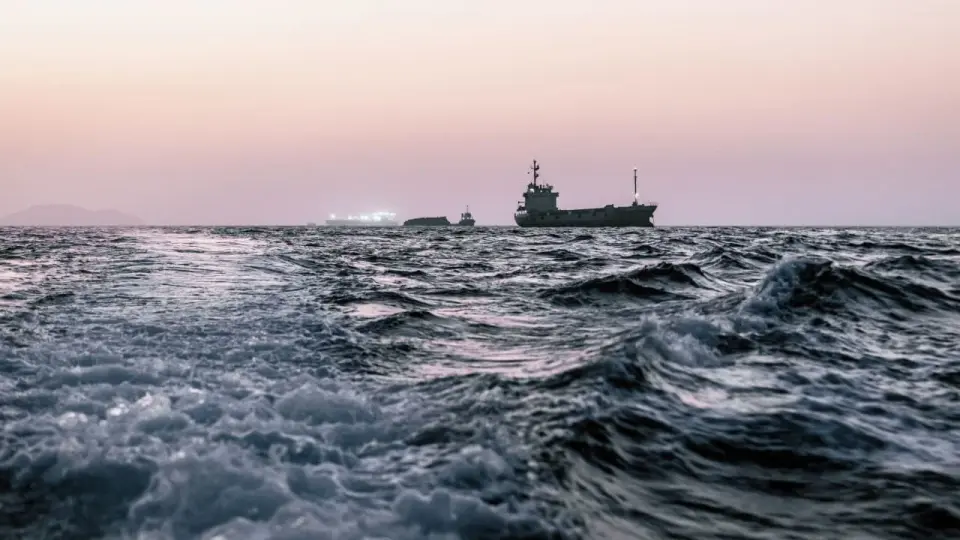
The US Navy conducted a covert, four-month operation to clear Iranian mines from the Strait of Hormuz, utilizing SEAL divers and robotic submersibles. While President Trump declared the waterway fully cleared, maritime experts remain cautious due to the risk of re-mining and ongoing strikes. The operation aimed to restore commercial shipping, which had largely avoided the route since the US and Israel attacked Iran in February.
Key points
- US Navy SEALs spent four months on a secret mission to locate and destroy approximately 80 mines in the Strait of Hormuz, as estimated by the International Maritime Organization in June.
- The operation involved small teams of divers working from inflatable boats, supported by unmanned surface vessels and submersibles with advanced sonar, often operating at night to avoid detection.
- President Trump announced that all mines in international waters had been removed or destroyed, a claim confirmed by the US military, though some vessels assigned to mine-countermeasure operations were reportedly deployed elsewhere.
- Maritime security experts and shipping companies remain uncertain about the safety of the entire strait, particularly areas away from the Omani coast, noting that Iran could easily re-deploy mines using small boats.
- Oil prices dropped 5% following the announcement but returned to previous levels as strikes resumed, highlighting that the perception of danger, rather than confirmed mines, continues to drive insurance costs and deter shipping.
Background
The Strait of Hormuz, a critical waterway for 20% of global oil transport, saw commercial traffic plummet after the US and Israel attacked Iran in February 2026. Prior to the current operation, Oman and Iran had explored interim corridor plans, and the US had struck Iranian rocket launchers suspected of preparing to deploy mines. The USS Abraham Lincoln had recently completed a long deployment supporting Middle East operations, underscoring the sustained US naval presence in the region.
How outlets are covering it
The Jerusalem Post and The Times of India emphasize the technical difficulty and danger of the mission, noting that divers had to physically approach mines to destroy them despite advanced technology. The New York Post highlights the use of specific robotic systems like the Common Unmanned Surface Vessel. Middle East Eye reports a US official’s claim that the strait is fully open and under US control, contrasting with the caution expressed by maritime experts in other outlets who doubt the completeness of the clearance. All sources agree that the uncertainty surrounding mine presence serves as a strategic lever for Iran, even if actual mines are scarce.
Why it matters
The clearance of the Strait of Hormuz is critical for global energy security, as it handles a significant portion of world oil transport. The success or failure of this operation directly impacts oil prices, insurance costs for shipping, and the broader geopolitical stability in the Middle East. The ability to keep the strait open without renewed conflict or re-mining is essential for restoring normal commercial traffic and preventing economic disruption.
What to watch
Shipping companies will likely continue to monitor the strait closely, with traffic expected to increase gradually if safety is confirmed. The US may need to maintain a persistent naval presence to deter re-mining by Iran. Diplomatic efforts, potentially involving international partners, may be required to establish a framework for sustained mine clearance and de-escalation, as technical solutions alone cannot prevent future deployments without political stability.
- US Navy SEALs conducted covert four-month mission to clear Strait of Hormuz mines - report jpost.com
- The risky mission to de-mine the Strait of Hormuz Financial Times
- US Navy SEALS spent four months demining the Strait of Hormuz in dangerous, nighttime mission New York Post
- Can the US really make Hormuz safe? The dangerous battle against Iran’s sea mines The Times of India
- Report: US official says Hormuz fully open, under US control middleeasteye.net
Want the full story? Read the original reporting
Read on jpost.com