
Ancient DNA Narrows First American Arrival to 21,000 Years Ago
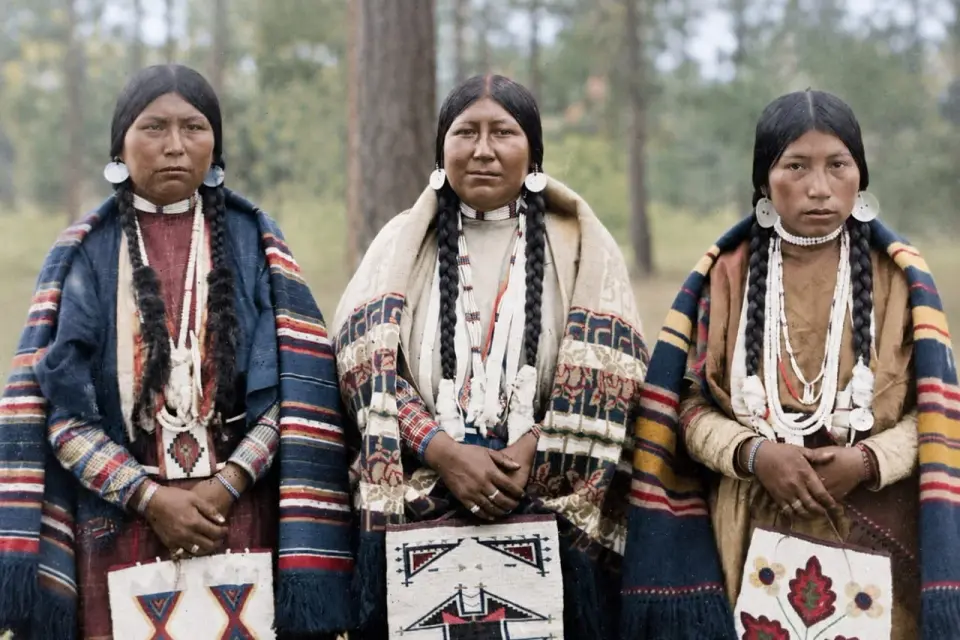
A new genomic review suggests the ancestors of modern Indigenous Americans arrived in the Americas no earlier than 21,000 years ago, aligning with the end of the Last Glacial Maximum. While this contradicts older archaeological claims of 23,000-year-old footprints in New Mexico, researchers note that current DNA samples are limited and may not capture all early lineages.
Key points
- A study in Current Opinion in Genetics & Development places the first major diversification of Indigenous American lineages at approximately 21,000 years ago.
- The oldest known ancient genome from the Americas is the Anzick-1 child from Montana, dated to 12,800 years ago.
- Genetic data supports a 'Beringian Standstill' where populations isolated in Beringia split into distinct groups, including Ancient Native Americans and Ancient Beringians.
- Archaeological evidence from White Sands, New Mexico, suggests human presence 23,000 years ago, but no DNA from this group has been recovered to confirm its link to later populations.
- Researchers emphasize that current genomic samples are sparse, particularly in the Great Plains and Central America, leaving significant gaps in the historical record.
Background
This finding continues a century-long debate regarding the peopling of the Americas. Previous models ranged from 'Clovis First' (13,500 years ago) to pre-LGM arrivals (25,000+ years ago). Recent genomic studies have increasingly favored a timeline closer to the end of the Last Glacial Maximum, though archaeological sites like Monte Verde in Chile and White Sands in New Mexico continue to challenge this consensus.
How outlets are covering it
Archaeology News Online and Ancient Origins highlight the 21,000-year benchmark as a strong genetic consensus, noting that it aligns with the end of the Last Glacial Maximum. La Brújula Verde provides a broader context, pointing out that proposed dates span over 100,000 years, from 130,000 years ago at Cerutti to 14,200 years ago at Swan Point. Live Science emphasizes the 'Beringian Standstill' theory, suggesting that isolation in Beringia led to the genetic divergence seen today. All sources agree that while DNA supports a 21,000-year arrival, the lack of genetic data from older archaeological sites like White Sands leaves the possibility of earlier, unsampled lineages open.
Why it matters
This study refines the timeline of human migration into the Americas, providing a clearer genetic baseline for understanding Indigenous heritage. It highlights the importance of combining genomic data with archaeological evidence and underscores the need for ethical collaboration with descendant communities to fill gaps in the ancient DNA record.
What to watch
Researchers call for more ancient DNA samples from underrepresented regions, such as the Great Plains and Central America, to test whether earlier migrations left a genetic trace. Future studies may also focus on reconciling the 23,000-year-old White Sands footprints with current genomic models to determine if an earlier, distinct population existed.
- First Indigenous Americans reached the Americas no earlier than 21,000 years ago, study suggests Archaeology News Online Magazine
- The ancestors of today's Indigenous people arrived in the Americas during the coldest part of the last ice age, study suggests livescience.com
- Ancient DNA evidence narrows down when people first reached the Americas Phys.org
- Scientists Disagree by 100,000 Years on When Humans Reached the Americas — Genetics Is Narrowing It Down to the Freezing Depths of the Last Ice Age La Brújula Verde
- First Americans Arrived No Earlier Than 21,000 Years Ago, DNA Suggests Ancient Origins
Want the full story? Read the original reporting
Read on Archaeology News Online Magazine