Tag

Last Glacial Maximum

All articles tagged with #last glacial maximum

Ancient DNA from Pyrenees Reveals Ice Age Europe Was Genetically Connected
science29 days ago

Ancient DNA from Pyrenees Reveals Ice Age Europe Was Genetically Connected

A study led by the University of Vienna reveals that a woman who lived in southwestern France 30,000 years ago possessed ancestry linking western and eastern European populations. This finding challenges previous assumptions of genetic isolation during the Gravettian period, suggesting long-distance gene flow coexisted with regional continuity. The research also utilized cave sediment to trace ancestry in Spain without human remains, confirming that Iberian populations survived the Last Glacial Maximum while maintaining connections to broader European groups.

New Mexico Footprints Reveal 2,000-Year Human Presence Amid Ice Age Climate Volatility
science1 month ago

New Mexico Footprints Reveal 2,000-Year Human Presence Amid Ice Age Climate Volatility

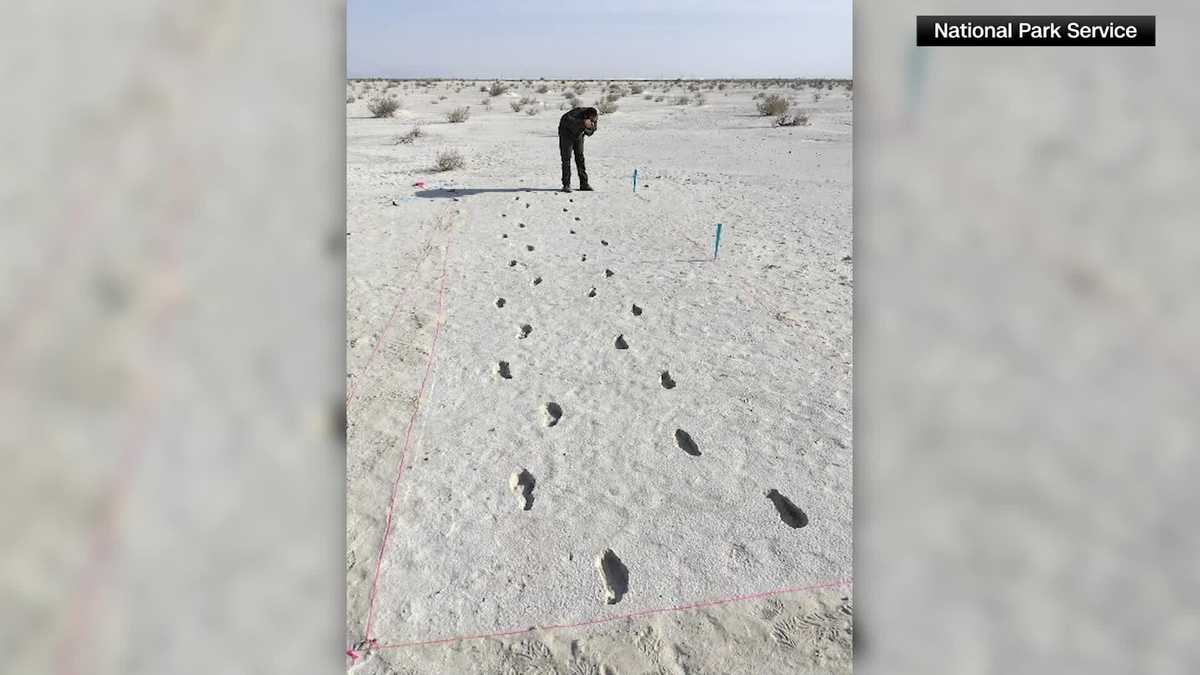
New research confirms that early humans inhabited White Sands National Park in New Mexico for nearly 2,000 years during the Last Glacial Maximum, enduring rapid and extreme environmental shifts. By analyzing 20 sediment layers containing footprints, pollen, and organic molecules, scientists reconstructed a landscape that transitioned from a large lake surrounded by conifer forests to a drier, sagebrush-dominated environment. The findings demonstrate that human presence was not continuous but occurred in pulses, often coinciding with geological conditions that preserved tracks. This evidence pushes back the timeline of human arrival in the Americas to approximately 23,500 years ago, challenging previous assumptions that the continent was uninhabited until 13,000 years ago. The study highlights that while footprints provide intimate glimpses of human activity, they do not represent a continuous record of population size or movement, as preservation depended on specific hydrological and climatic events.

White Sands pollen reveals Indigenous ancestors endured rapid climate shifts 23,000 years ago
science1 month ago

White Sands pollen reveals Indigenous ancestors endured rapid climate shifts 23,000 years ago

A new study published in *Science Advances* confirms that Indigenous ancestors in New Mexico lived through rapid, extreme climate changes during the Last Glacial Maximum. By analyzing ancient pollen and organic molecules in sediments at White Sands National Park, researchers determined that the landscape shifted from conifer forests to sagebrush steppe within a single human lifetime. This evidence supports the existence of humans in North America approximately 23,000 years ago, challenging previous assumptions that the continent was uninhabited until 13,000 years ago.

Genetic Review Dates First Indigenous American Ancestors to 21,000 Years Ago
science1 month ago

Genetic Review Dates First Indigenous American Ancestors to 21,000 Years Ago

A new review of ancient DNA data suggests the ancestors of most living Indigenous Americans entered the Americas between 20,000 and 14,000 years ago, specifically no earlier than 21,000 years ago. While this aligns with the end of the Last Glacial Maximum, it conflicts with older archaeological evidence like the 23,000-year-old White Sands footprints, which lack corresponding genetic data.

Ancient DNA Narrows First American Arrival to 21,000 Years Ago
anthropology1 month ago

Ancient DNA Narrows First American Arrival to 21,000 Years Ago

A new genomic review suggests the ancestors of modern Indigenous Americans arrived in the Americas no earlier than 21,000 years ago, aligning with the end of the Last Glacial Maximum. While this contradicts older archaeological claims of 23,000-year-old footprints in New Mexico, researchers note that current DNA samples are limited and may not capture all early lineages.

23,000-Year-Old Footprints Rewrite North America's Arrival Timeline
science9 months ago

23,000-Year-Old Footprints Rewrite North America's Arrival Timeline

Footprints at White Sands National Park in New Mexico have been calibrated to about 23,000 years old, placing humans in North America roughly 10,000 years earlier than previously thought. Radiocarbon dating tied to pine pollen and ditch grasses, with optical luminescence supporting the age, corroborates the finding. The footprints depict activities from play to hunting, including a woman carrying a child, and researchers hope to uncover more to broaden the North American archaeological record.

Ancient footprints push back North America's peopling to the Ice Age
science9 months ago

Ancient footprints push back North America's peopling to the Ice Age

Archaeologists at White Sands, New Mexico, have dated footprints to about 20,700–22,400 years ago (during the Last Glacial Maximum), strengthening the case that humans reached North America well before the Clovis-first model. Radiocarbon dating of seeds, pollen, and the mud found with the prints across three labs all converge on the same timeline, prompting a reevaluation of migration routes and lifeways, though the absence of durable artifacts remains a puzzle. The study was published in Science Advances.

Scientists Uncover Oldest Human Footprints in New Mexico
science10 months ago

Scientists Uncover Oldest Human Footprints in New Mexico

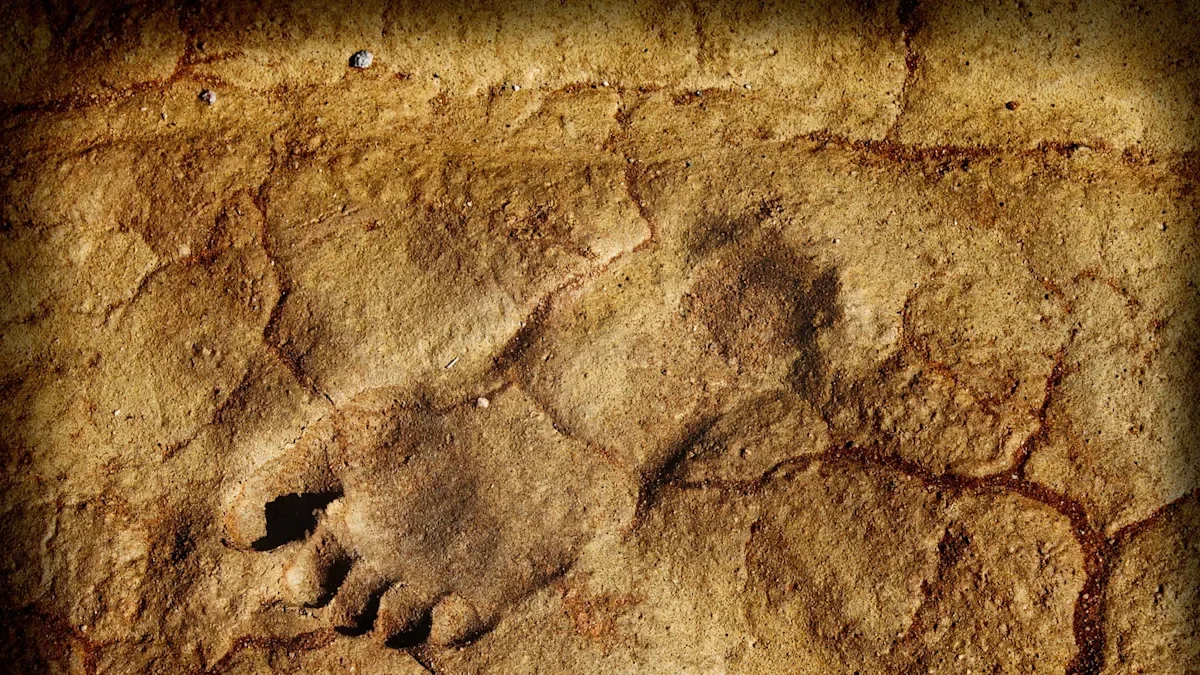
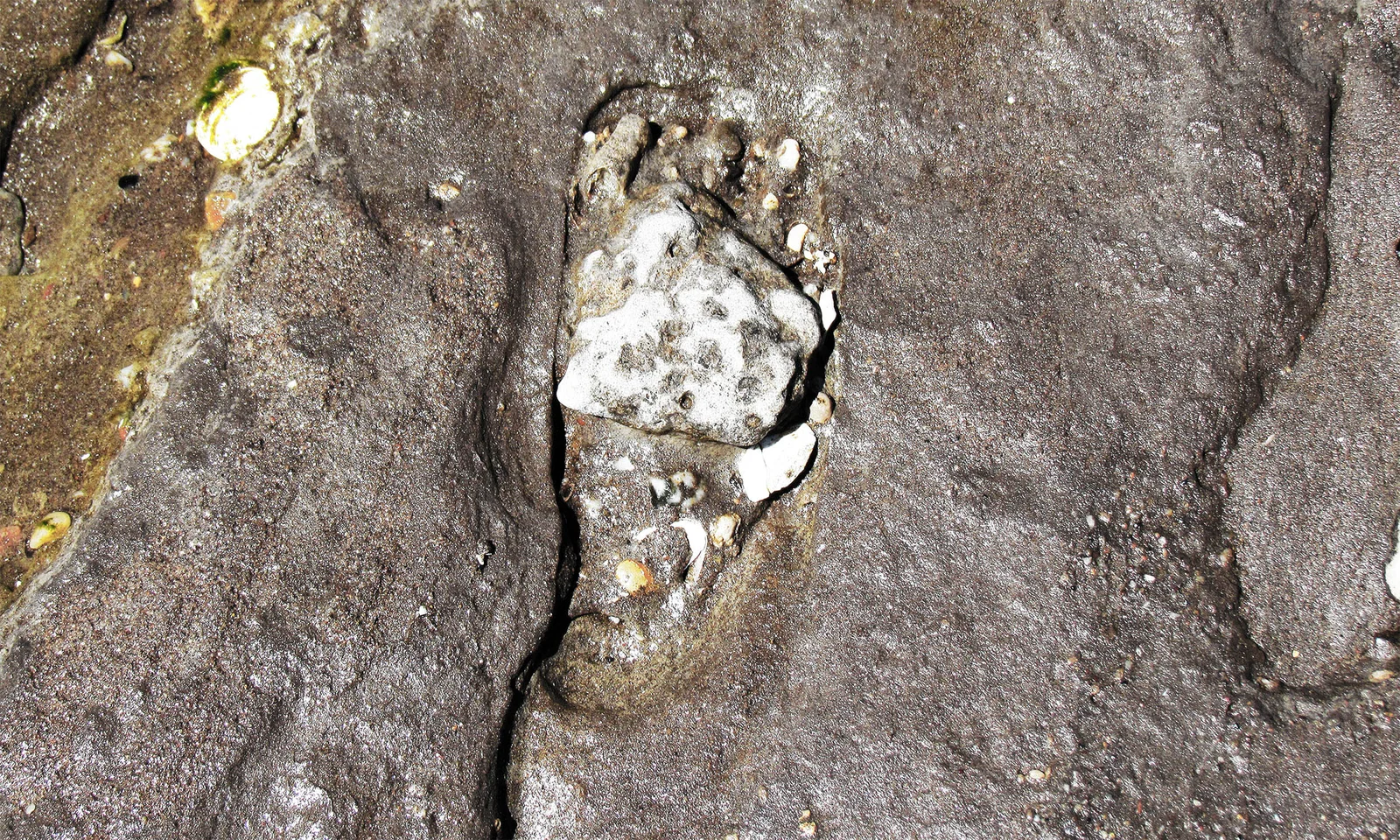
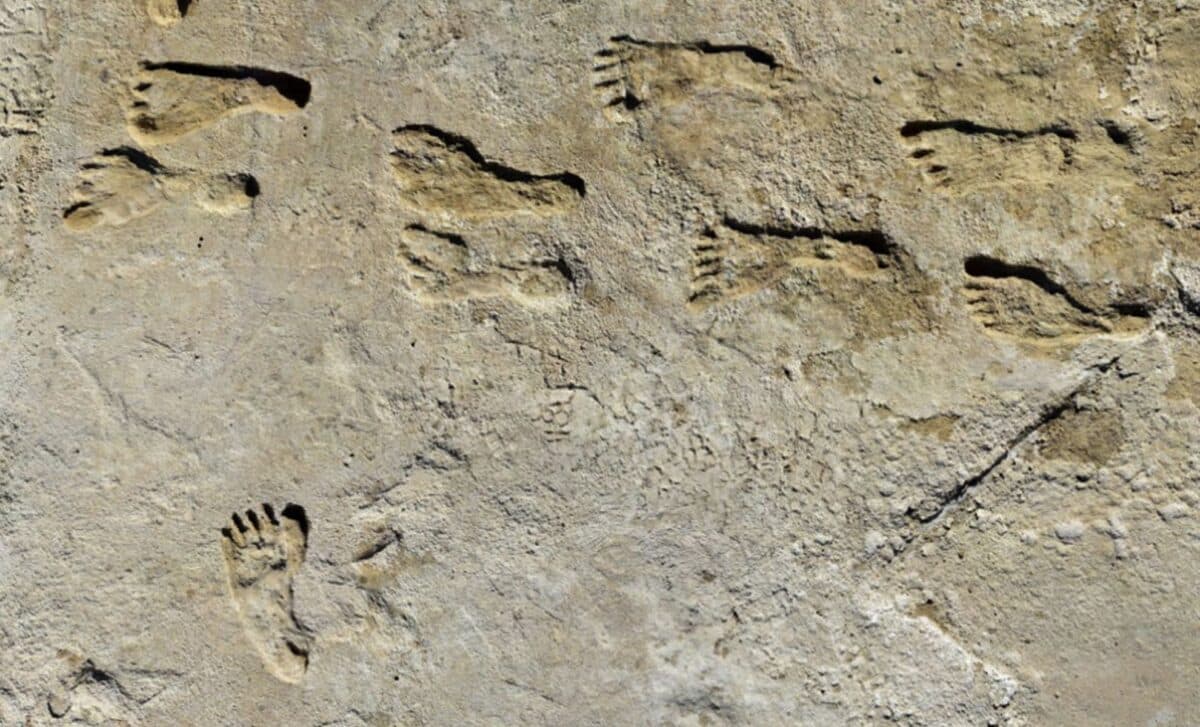
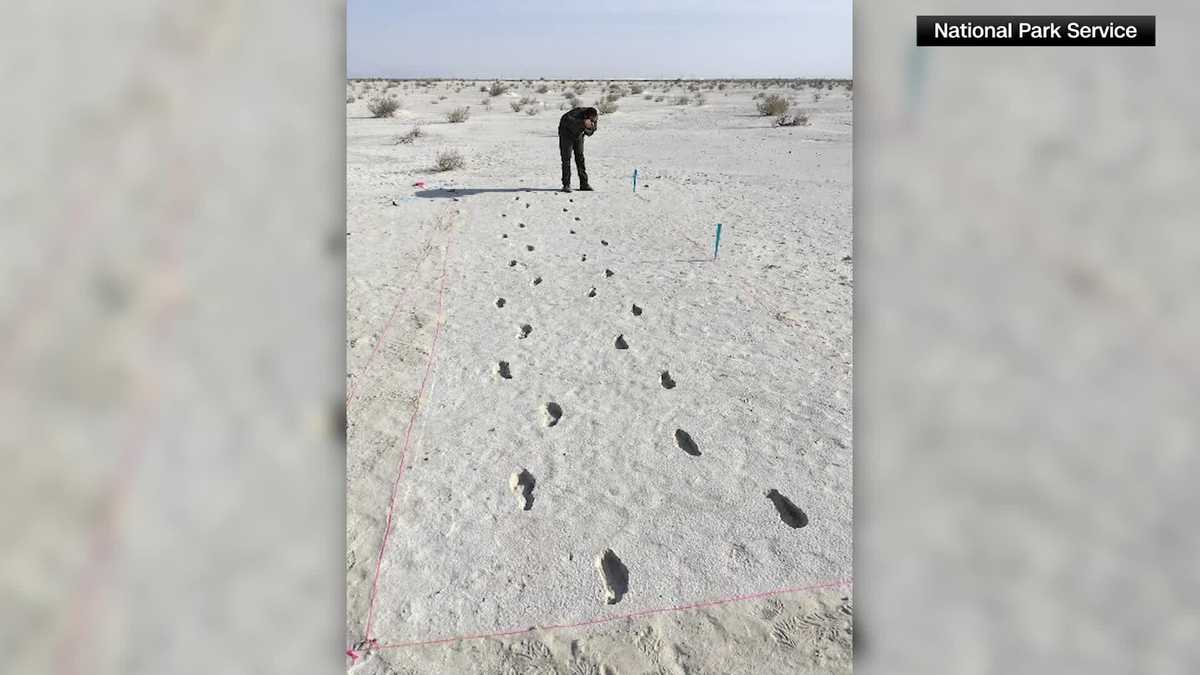
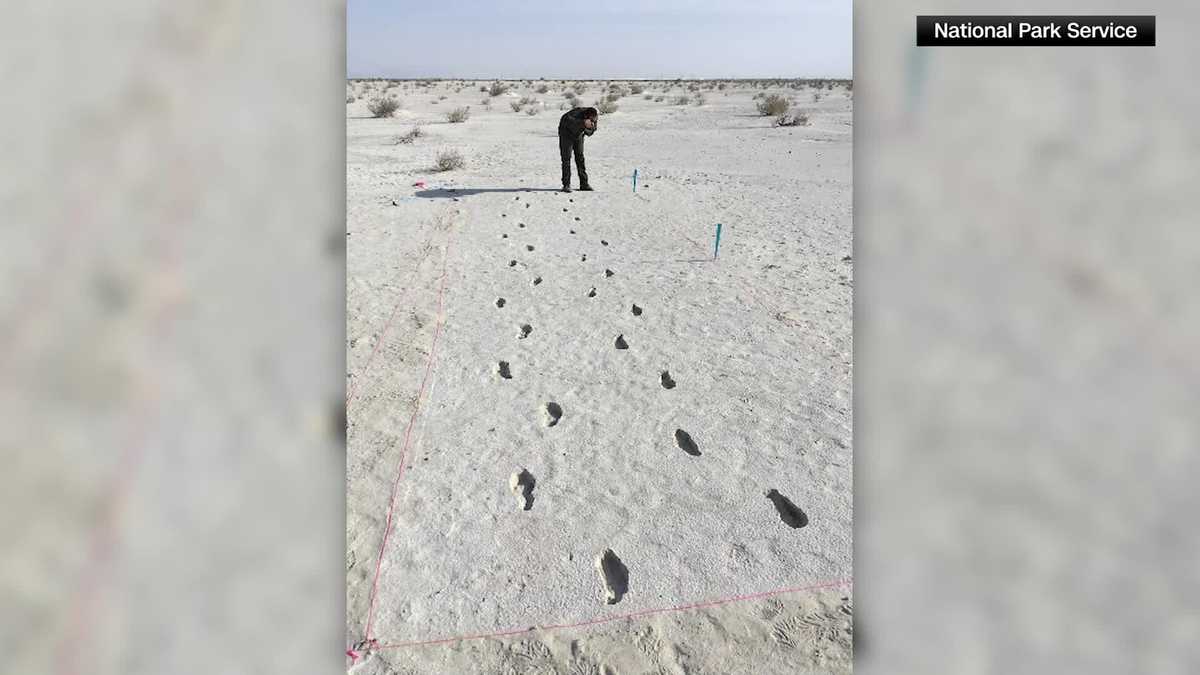
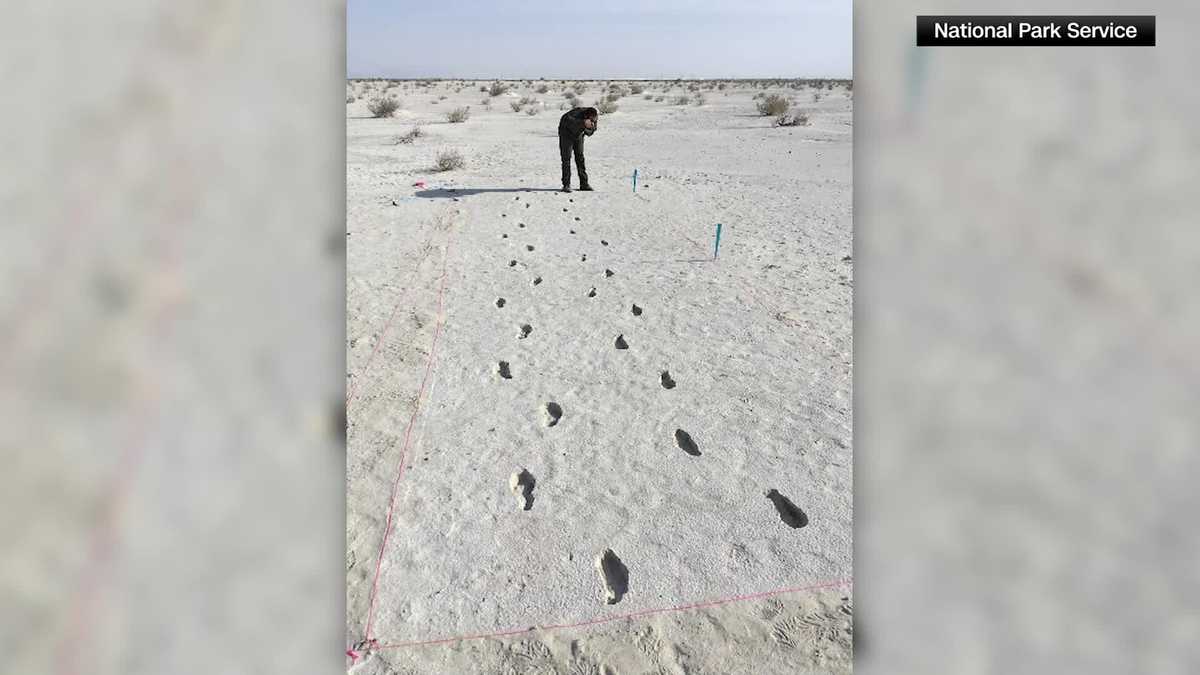
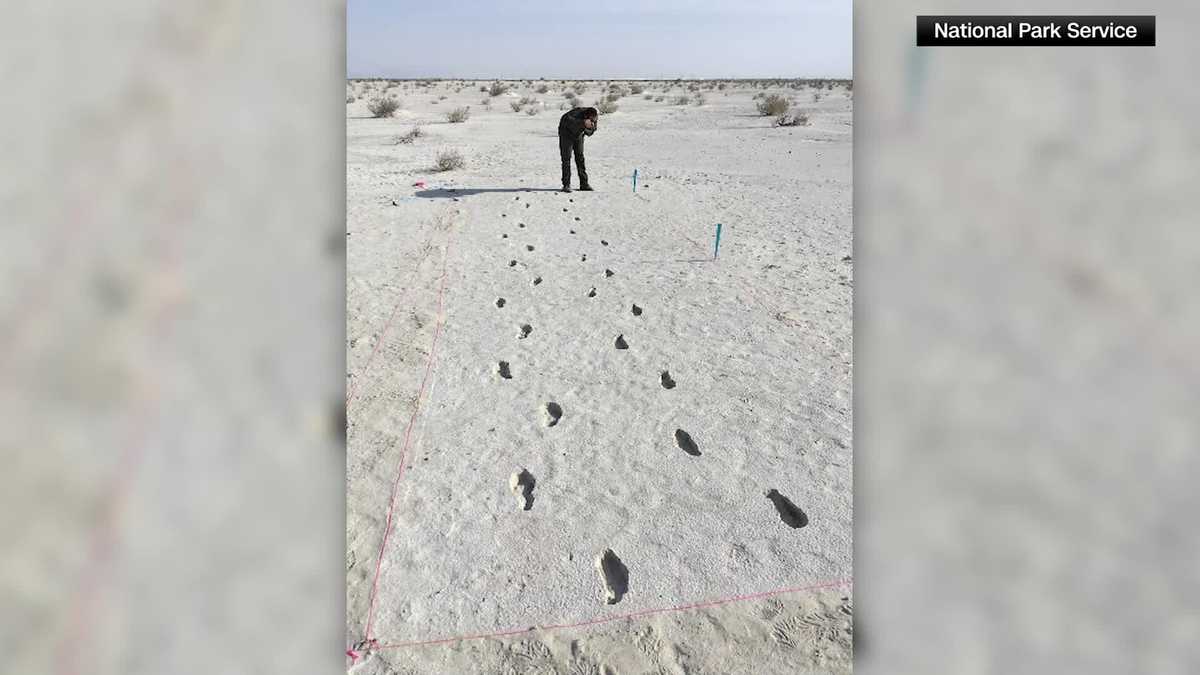
Scientists discovered the oldest known human footprints in North America at White Sands National Park, dating back 23,000 to 21,000 years, challenging previous timelines and suggesting early human presence during the Last Glacial Maximum. The footprints, mainly of teenagers and children, provide insights into daily life and are under threat from erosion.

New Evidence Confirms Early Human Arrival in the Americas
archaeology3 years ago

New Evidence Confirms Early Human Arrival in the Americas

New research provides further evidence that humans arrived in the Americas much earlier than previously thought. Fossilized footprints found in New Mexico, dating back 21,000 to 23,000 years ago, have been confirmed through radiocarbon dating of preserved seeds. The discovery pushes back the timeline of human history in the Americas and suggests that humans arrived in the region even earlier than previously believed. The study used multiple lines of evidence, including radiocarbon dating of conifer pollen and optically stimulated luminescence, to support the initial dates. The findings indicate a human presence in the Americas during the Last Glacial Maximum, a period when massive ice sheets covered North America. The exact migration route and the number of populations that made the journey remain unknown.

New Evidence Confirms Early Human Arrival in the Americas
archaeology3 years ago

New Evidence Confirms Early Human Arrival in the Americas

New research has provided further evidence that humans arrived in the Americas much earlier than previously thought. Fossilized footprints found in New Mexico, dating back 21,000 to 23,000 years ago, have been confirmed through radiocarbon dating of preserved seeds. The footprints challenge the belief that massive ice sheets prevented human passage into North America during that time. Skeptics had questioned the initial findings, but a follow-up study used multiple lines of evidence, including radiocarbon dating of conifer pollen and optically stimulated luminescence, to support the original dates. The study suggests a human presence in the Americas around the Last Glacial Maximum, between 19,000 and 26,000 years ago.

New Evidence Confirms Early Human Arrival in the Americas
archaeology3 years ago

New Evidence Confirms Early Human Arrival in the Americas

New research has provided further evidence that humans arrived in the Americas much earlier than previously thought. Fossilized footprints found in New Mexico, dating back 21,000 to 23,000 years ago, have been confirmed through radiocarbon dating of preserved seeds. The footprints challenge the belief that massive ice sheets prevented human passage into North America during that time. Skeptics had questioned the initial findings, but a follow-up study using conifer pollen and optically stimulated luminescence dating techniques supports the original dates. The study suggests a human presence in the Americas around the Last Glacial Maximum, between 19,000 and 26,000 years ago.

"Groundbreaking Discovery: Humans Reached the Americas Much Earlier Than Believed"
archaeology3 years ago

"Groundbreaking Discovery: Humans Reached the Americas Much Earlier Than Believed"

New research has provided further evidence that humans arrived in the Americas much earlier than previously thought. Fossilized footprints found in New Mexico, dating back 21,000 to 23,000 years ago, have been confirmed through radiocarbon dating of preserved seeds. The footprints challenge the belief that massive ice sheets prevented human passage into North America during that time. Skeptics had questioned the initial findings, but a follow-up study using conifer pollen and optically stimulated luminescence dating techniques supports the original dates. The study suggests a human presence in the Americas around the Last Glacial Maximum, between 19,000 and 26,000 years ago.