
Ancient DNA reveals Ice Age Europeans maintained long-distance genetic ties
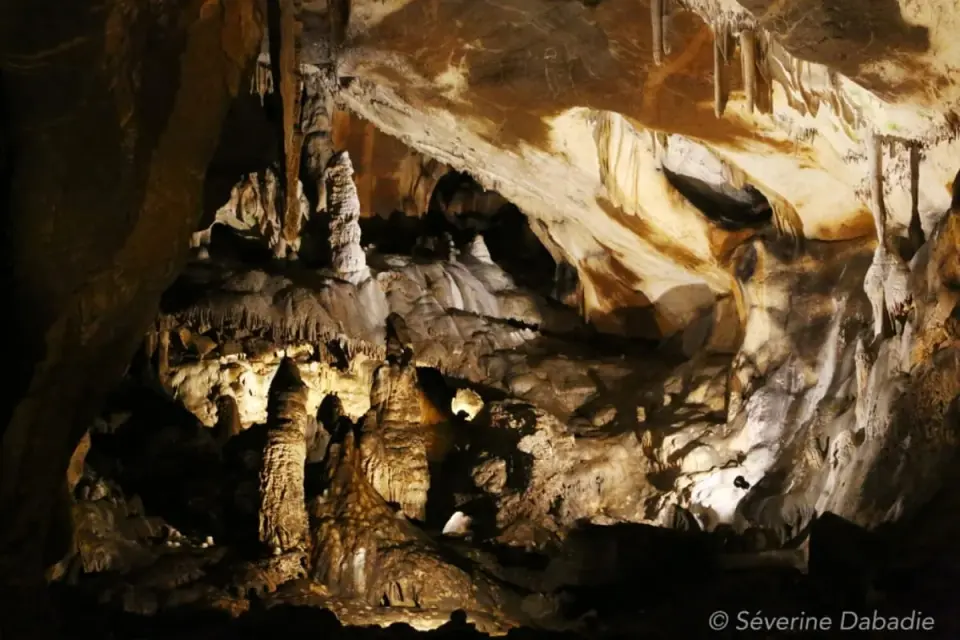
A new study in Science Advances reveals that Ice Age Europeans were more genetically connected than previously thought. Researchers found that a 30,000-year-old woman from Isturitz Cave in France carried ancestry from central and eastern Europe, challenging the view that western and eastern Gravettian populations were isolated. The findings suggest long-distance gene flow occurred around 32,500 to 31,500 years ago, while local groups in Spain and Italy maintained stable regional lineages through the Last Glacial Maximum.
Key points
- A team led by the University of Vienna published findings in Science Advances showing that Gravettian populations in Europe were more interconnected than earlier genetic studies suggested.
- The oldest genome-wide data from a modern human in southwestern Europe, from a woman in Isturitz Cave dating to 30,000 years ago, shows mixed ancestry from western and central/eastern European groups.
- Genetic models date the mixing event to between 32,500 and 31,500 years ago, indicating significant gene flow across long distances during the Gravettian period (34,000 to 25,000 years ago).
- Researchers recovered human DNA from 22,000-year-old sediment at El Mirón Cave in Spain, confirming that western European ancestry persisted through the Last Glacial Maximum (26,500 to 19,000 years ago).
- Analysis of a fetal remains in southern Italy suggests that Gravettian populations avoided close inbreeding, as the parents of the fetus were not closely related despite sharing genetic backgrounds.
Background
Previous genetic studies had suggested that Gravettian populations in Europe were divided into two stable and isolated groups, one in the west and one in the east. Archaeological evidence had long indicated wide contact through shared tools and trade, but genetic data had not supported this until now. This new research builds on earlier studies of ancient genomes, such as those examining the gradual genetic blending during the fall of the Roman Empire, by providing direct evidence of prehistoric population movements and interactions across Europe.
How outlets are covering it
Archaeology News Online and Courthouse News emphasize the significance of the Isturitz Cave genome in revealing long-distance gene flow between eastern and western Gravettian groups. Nautilus highlights the cultural implications, noting that the Gravettian culture was known for distinctive tools and artwork, and that the new findings blur the lines between previously distinct genetic groups. All sources agree that the research challenges the previous assumption of genetic isolation, but Nautilus adds a cultural dimension by referencing the Gravettian's artistic and technological achievements. The University of Vienna team, led by Pere Gelabert and Ron Pinhasi, stresses the importance of sediment DNA in recovering genetic information from periods where human remains are missing, linking archaeological layers to the ancestry of past populations.
Why it matters
This study reshapes our understanding of prehistoric European populations by demonstrating that Ice Age Europeans were not isolated but maintained genetic connections across vast distances. It provides evidence that Gravettian groups were more interconnected than previously believed, with gene flow occurring as early as 32,500 years ago. The findings also highlight the role of the Iberian Peninsula as a refuge during the Last Glacial Maximum, where local ancestry persisted for thousands of years. By combining genome data with sediment DNA, the research offers new methods for tracing human movements and interactions in prehistory, even in the absence of physical remains.
What to watch
The research team is now expanding their use of sediment DNA and protein studies to trace the initial expansions of modern humans across Europe. They aim to understand how these populations interacted with carnivores at sites where organic remains are scarce. Future studies may further refine the timeline of gene flow and population movements during the Gravettian period, potentially revealing more about the social and cultural dynamics of Ice Age Europeans.
- Ancient DNA shows Ice Age Europeans stayed connected across long distances Archaeology News Online Magazine
- Paleolithic human DNA reveals east-west connections across Ice Age Europe Phys.org
- DNA from French cave suggests Ice Age Europeans were well traveled Courthouse News
- Ice Age Europeans Were More Connected Than We Thought Nautilus
- Ancient human DNA reveals hidden connections across Ice Age Europe EurekAlert!
Want the full story? Read the original reporting
Read on Archaeology News Online Magazine