Tag

Gravettian Culture

All articles tagged with #gravettian culture

Ancient DNA from French Cave Reveals Stone Age Gene Flow Between Eastern and Western Europe
science1 month ago

Ancient DNA from French Cave Reveals Stone Age Gene Flow Between Eastern and Western Europe

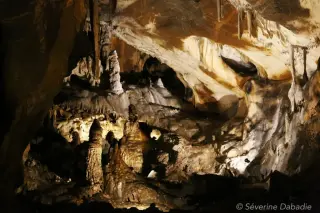
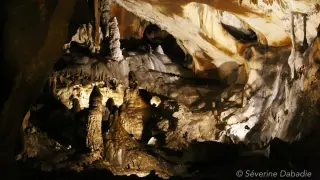
A study published in Science Advances reveals that a 30,000-year-old woman from Isturitz Cave in southwestern France possessed mixed genetic ancestry from Eastern and Western Europe. This finding challenges previous assumptions that these regions were genetically isolated during the Gravettian period, suggesting instead that significant population movements occurred around 31,500 to 32,500 years ago. The research indicates that southwestern France served as a critical cultural and biological hub connecting continental Europe with the Iberian Peninsula.
Ancient DNA from Pyrenees Reveals Ice Age Europe Was Genetically Connected
science1 month ago

Ancient DNA from Pyrenees Reveals Ice Age Europe Was Genetically Connected

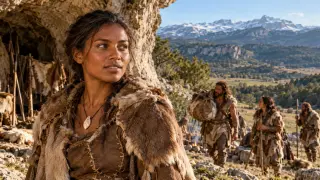
A study led by the University of Vienna reveals that a woman who lived in southwestern France 30,000 years ago possessed ancestry linking western and eastern European populations. This finding challenges previous assumptions of genetic isolation during the Gravettian period, suggesting long-distance gene flow coexisted with regional continuity. The research also utilized cave sediment to trace ancestry in Spain without human remains, confirming that Iberian populations survived the Last Glacial Maximum while maintaining connections to broader European groups.

Ancient DNA reveals Ice Age Europeans maintained long-distance genetic ties
anthropology1 month ago

Ancient DNA reveals Ice Age Europeans maintained long-distance genetic ties

A new study in Science Advances reveals that Ice Age Europeans were more genetically connected than previously thought. Researchers found that a 30,000-year-old woman from Isturitz Cave in France carried ancestry from central and eastern Europe, challenging the view that western and eastern Gravettian populations were isolated. The findings suggest long-distance gene flow occurred around 32,500 to 31,500 years ago, while local groups in Spain and Italy maintained stable regional lineages through the Last Glacial Maximum.

Ancient DNA Unveils Europe's Earliest Settlers in Crimea
archaeology3 years ago

Ancient DNA Unveils Europe's Earliest Settlers in Crimea

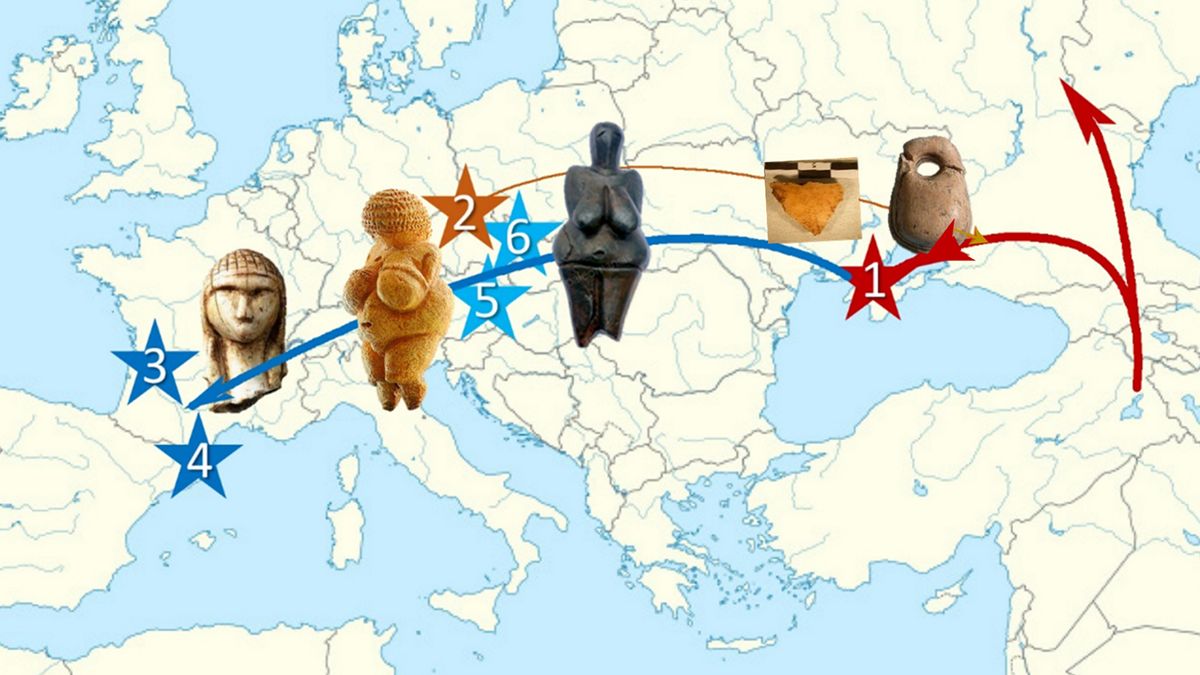
DNA analysis of skeletons from the site of Buran-Kaya III in Crimea reveals that the first modern humans to settle in Europe arrived around 37,000 years ago. These early settlers gave rise to a culture that included stone tools, jewelry, and Venus figurines. The Buran-Kaya people are believed to be the ancestors of the Gravettian culture, which spread across Europe starting about 33,000 years ago. The genetic findings suggest that these settlers migrated out of Crimea and other southern refuges as the climate warmed, populating Eastern and Central Europe. The study also indicates that the supervolcano eruption in southern Italy around 40,000 years ago did not cause the complete extinction of Homo sapiens and Neanderthals in Southern Europe.

"Remarkable Discovery: Ancient Human Nest Unearthed in French Cave System"
archaeology3 years ago

"Remarkable Discovery: Ancient Human Nest Unearthed in French Cave System"

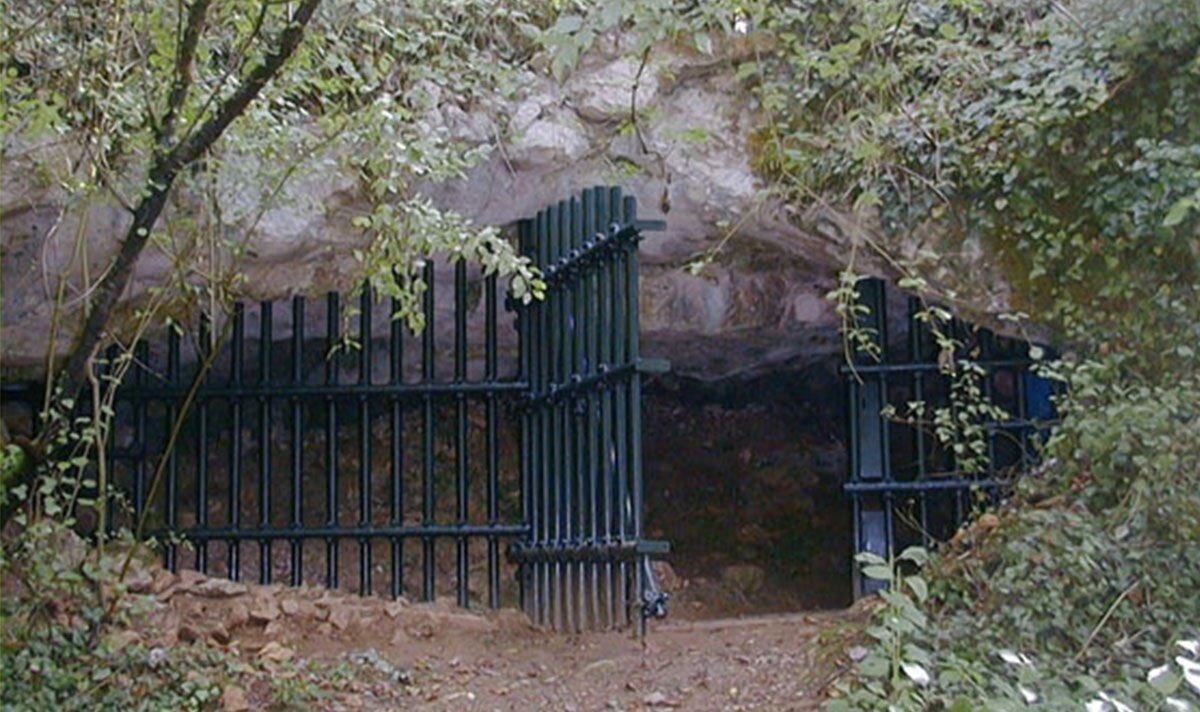
Archaeologists have made a stunning discovery in the Grotte de Cussac cave in France, where the remains of prehistoric hunter-gatherers were found in man-made "nests" deep inside the cave system. The skeletons, belonging to the Gravettian culture of the European Upper Paleolithic, shed light on burial rituals and provide insights into the social complexity of Paleolithic humans. The cave is also adorned with cave art, making it a unique site where mortuary rites and art likely coexisted. The findings offer valuable clues about our ancestors' way of life and death.