
Ancient DNA traces found on cave walls, hinting at forgotten visitors
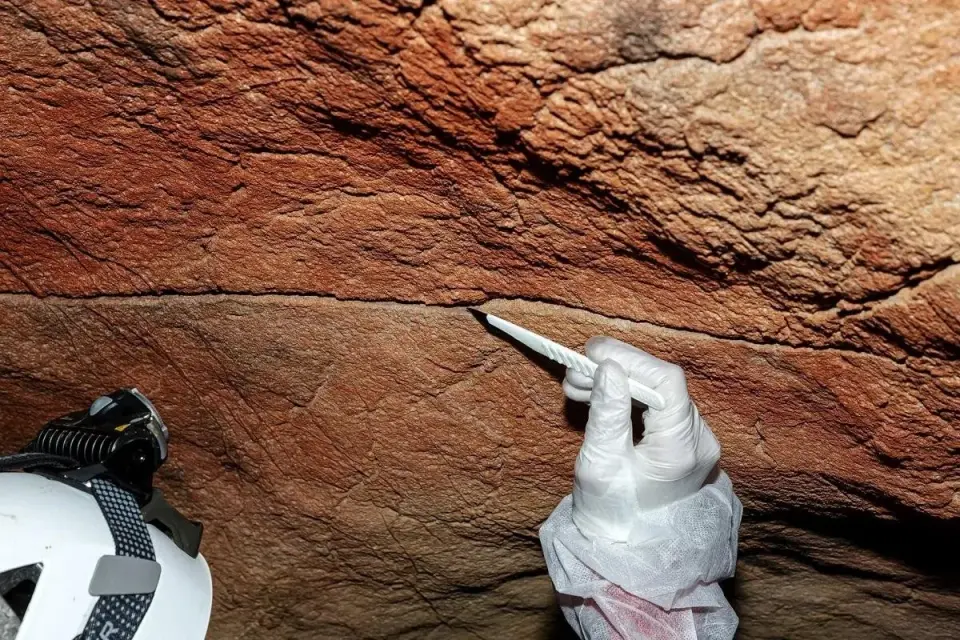
A Nature Communications study shows ancient human DNA can persist on cave walls for millennia, with five of 54 samples from 24 rock-art panels testing positive for human DNA. DNA was found on both painted and unpainted surfaces, as well as calcite crusts, suggesting direct deposition or sediment transport rather than solely artwork-related material. Two Covarón Cave samples yielded nuclear DNA linked to Western hunter-gatherers, while others contained both human and animal DNA; a bird-bone airbrush from Altamira yielded no ancient DNA due to modern contamination. The findings indicate cave walls can preserve traces of past visitors long after artworks were made, though preservation varies with mineral crusts and cave conditions. Researchers plan broader testing across more caves and styles to better understand who used caves and when.
- Ancient human DNA found preserved on cave walls for thousands of years, study finds Archaeology News Online Magazine
- Investigating ancient human DNA preservation on cave walls and in rock art Nature
- In a first, scientists extract ancient human DNA from cave walls National Geographic
- Human DNA over 2,000 years old found in caves in Spain and Portugal Euronews.com
- Human DNA can survive on cave walls for thousands of years, opening new window into prehistory Phys.org
Want the full story? Read the original reporting
Read on Archaeology News Online Magazine