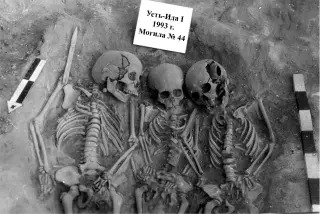
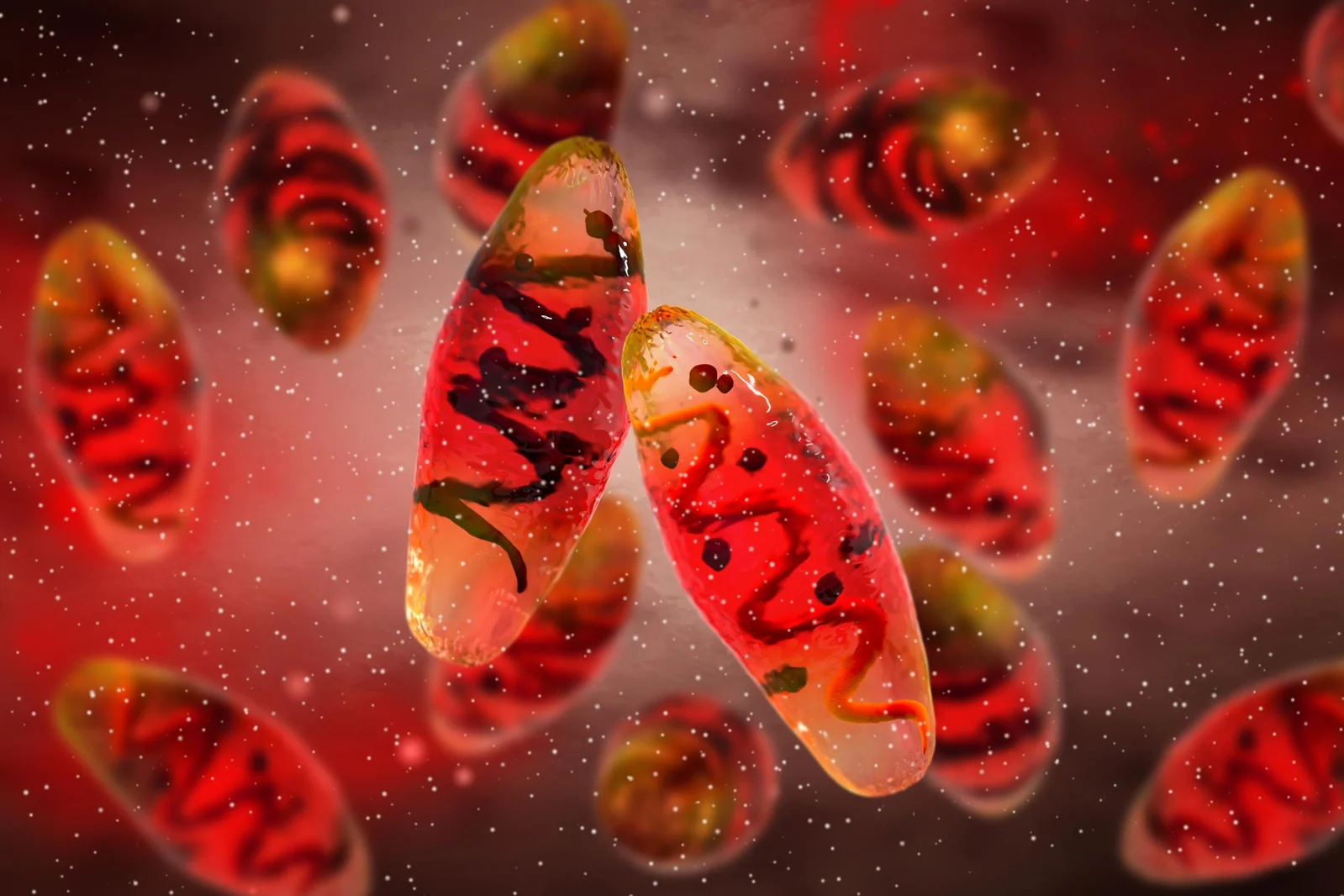
New genomic and archaeological evidence shows prehistoric Yersinia pestis infected Neolithic farmers in Europe, but ancient strains lacked flea-adaptation genes and outbreaks were scattered without clear mass mortality, leaving open whether plague caused the roughly 500-year population decline in late Neolithic Europe or if other factors were involved.
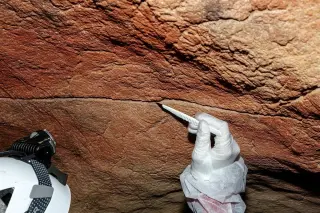
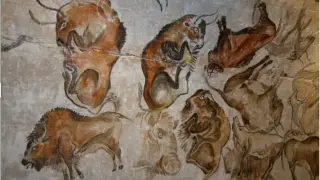
A Nature Communications study shows ancient human DNA can persist on cave walls for millennia, with five of 54 samples from 24 rock-art panels testing positive for human DNA. DNA was found on both painted and unpainted surfaces, as well as calcite crusts, suggesting direct deposition or sediment transport rather than solely artwork-related material. Two Covarón Cave samples yielded nuclear DNA linked to Western hunter-gatherers, while others contained both human and animal DNA; a bird-bone airbrush from Altamira yielded no ancient DNA due to modern contamination. The findings indicate cave walls can preserve traces of past visitors long after artworks were made, though preservation varies with mineral crusts and cave conditions. Researchers plan broader testing across more caves and styles to better understand who used caves and when.
A multinational team led by Hipólito Collado recovered human DNA over 2,000 years old from cave-wall surfaces in Spain and Portugal, showing rock surfaces can preserve genetic material and enabling archaeogenetic study of prehistoric populations. Analyzed 24 rock-art panels across 11 caves (including Escoural and Covarón); the findings, published in Nature Communications as part of the First Art project, suggest caves could act as biological archives for ancient humans.
Researchers analyzing dust and fibers from the Shroud of Turin report plant DNA—carrot, bread wheat and other crops—signalling contamination over time rather than confirming the relic’s age; they caution metagenomics can’t reliably date the cloth, even as radiocarbon dating in 1988 placed it medieval (1260–1390 AD) and 2024 WAXS results broadly align with a two-millennium history.
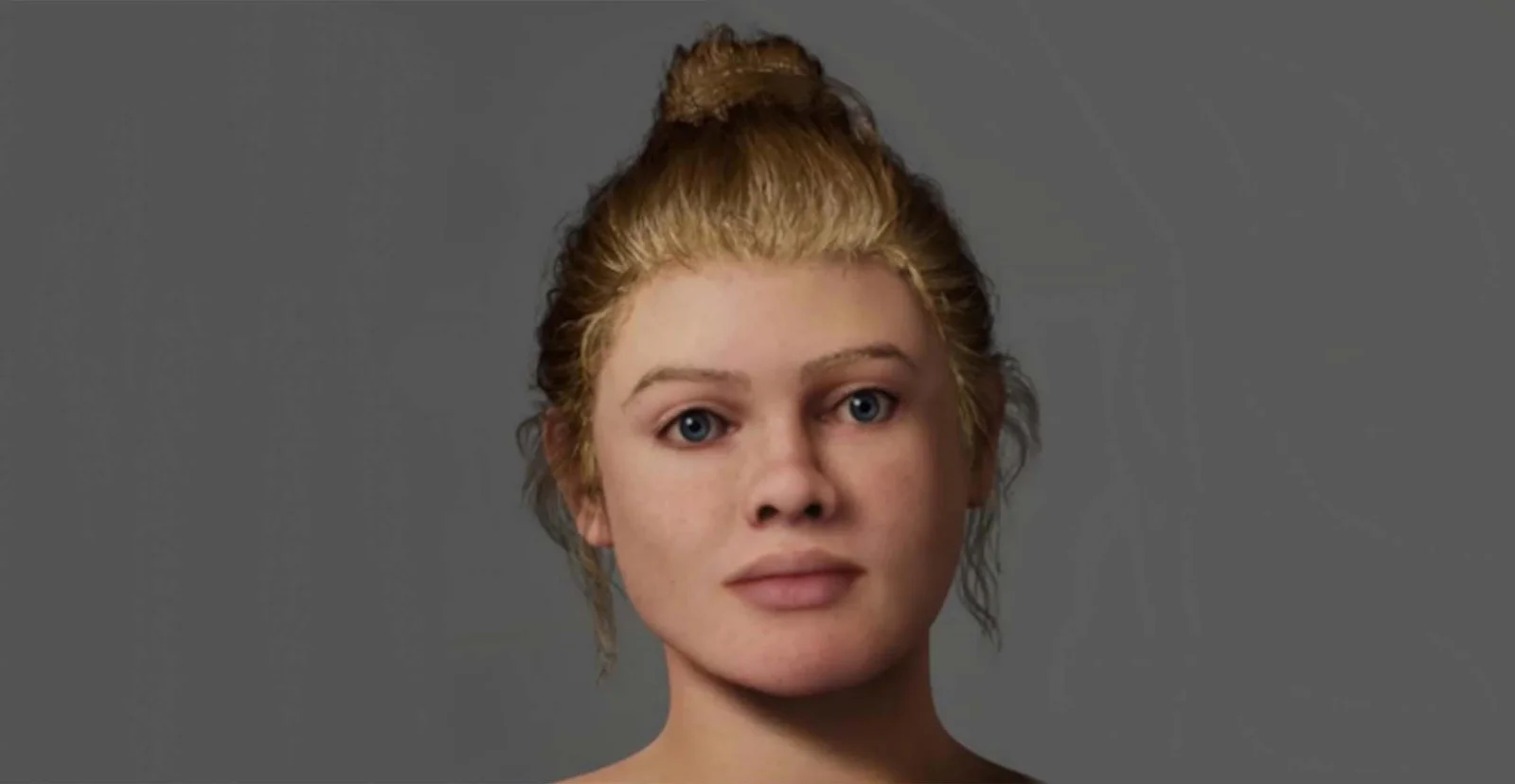
New, higher-quality ancient-DNA analysis shows the Beachy Head Woman likely originated from southern England and shares ancestry with Romano-British locals, not Mediterranean or sub-Saharan populations; a revised facial reconstruction suggests light skin, blue eyes, and fair hair.
Scientists discovered the first evidence of a Bronze Age strain of plague infecting livestock, specifically a sheep from 4,000 years ago, shedding light on how the ancient disease spread across Eurasia and highlighting the complex interactions between humans, animals, and natural reservoirs.
Researchers have identified the bacterium Yersinia pestis in ancient remains from Jerash, Jordan, providing direct genetic evidence linking it to the Justinian Plague, the first recorded pandemic, and offering new insights into the history and evolution of plague and pandemics.
Scientists used ancient DNA from 37,000-year-old bones to create a timeline of human infections, revealing how diseases evolved with human culture, migration, and domestication, and highlighting the long history of zoonotic pathogens like plague and hepatitis B.
Scientists used ancient DNA analysis on fish bones from a Roman fish-salting site to identify European sardines as a key ingredient in the popular Roman fish sauce, garum, providing new insights into its composition and regional variations.
DNA analysis of ancient remains from Çatalhöyük suggests that women played a central role in household formation during the Neolithic period, indicating a society with significant female influence, though not necessarily a true matriarchate.
DNA analysis of 9,000-year-old skeletons from South Africa's Oakhurst rockshelter reveals long-term genetic stability and suggests cultural changes occurred without significant external migration, challenging previous theories of multiple migratory waves into the region.