
October 2026 Skywatching: Draconids, Orionids, and Taurids Offer Prime Viewing
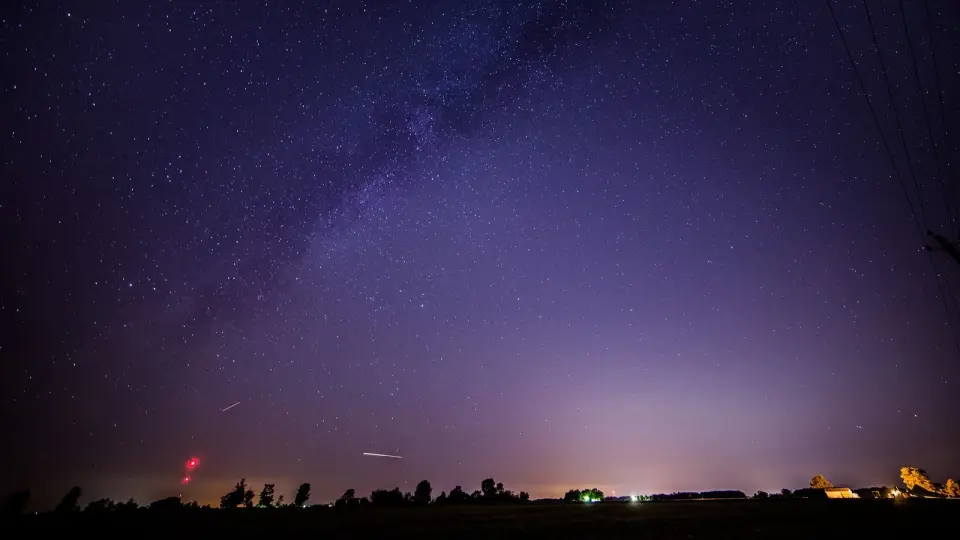
October 2026 offers exceptional meteor shower viewing, with the Draconids peaking Oct 8-9 under moonless skies and the Orionids peaking Oct 21-22. The Taurids provide slow, bright fireballs from late September through November. Clear skies and dark locations are essential for optimal observation.
Key points
- Draconids peak Oct 8-9, 2026, with near-zero moonlight; ZHR ~5 meteors/hour, but unpredictable.
- Orionids peak Oct 21-22, 2026; ZHR 10-20 meteors/hour, known for speed and brightness.
- Taurids (South/North) active late Sept–Nov; peak Nov 4-5 and Nov 11-12; produce slow, bright fireballs.
- Hunter’s Moon (full) peaks Oct 25, 2026; may reduce visibility for later showers.
- Best viewing requires dark, clear skies away from light pollution; no telescope needed.
Background
Autumn 2026 features a dense meteor shower season, including Draconids, Orionids, Taurids, Leonids, and Geminids. The 2026 Perseids were notably bright due to moonless conditions, and the Southern Taurids were highlighted for fireball activity in late September. This continues a pattern of favorable lunar phases for meteor viewing in 2026.
How outlets are covering it
Space.com emphasizes the Draconids’ rare moonless peak and historical unpredictability. The Sacramento Bee highlights the Orionids as 'one of the most beautiful' showers, noting their speed and fireball potential. Daily Mirror focuses on the Taurids’ 'Halloween Fireballs' and slow-burning trails, with specific viewing tips for Sri Lanka. The Vineyard Gazette, though dated August, reinforces the importance of moonless conditions for Perseids, a pattern echoed in 2026 Draconid coverage. Outlets agree on the need for dark skies but differ in emphasis: Space.com and Sacramento Bee focus on peak rates and lunar conditions, while Daily Mirror stresses visual spectacle and local accessibility.
Why it matters
October 2026 offers some of the year’s best meteor viewing opportunities due to favorable lunar phases and multiple active showers. The Draconids’ moonless peak and the Orionids’ brightness make them accessible to casual observers. Understanding these events enhances public engagement with astronomy and highlights the importance of dark-sky preservation for observational science.
What to watch
Monitor weather forecasts for clear skies during peak dates. For Draconids, observe Oct 8-9; for Orionids, Oct 21-22; for Taurids, late Oct–mid-Nov. Track lunar phases to avoid moonlight interference, especially around the Hunter’s Moon on Oct 25. Future coverage may detail actual meteor rates and any unexpected outbursts.
- Draconid meteor shower 2026 — When, where and how to see it Space
- Look Up! The Taurid ‘Halloween Fireballs’ are here! Daily Mirror - Sri Lanka
- Stars Falling from the Sky The Vineyard Gazette
- ‘Most beautiful’ meteor shower of 2026 to shine in CA, along with hunter’s moon Sacramento Bee
Want the full story? Read the original reporting
Read on Space