
Giant eggs helped early mammal ancestors weather the Great Dying
TL;DR
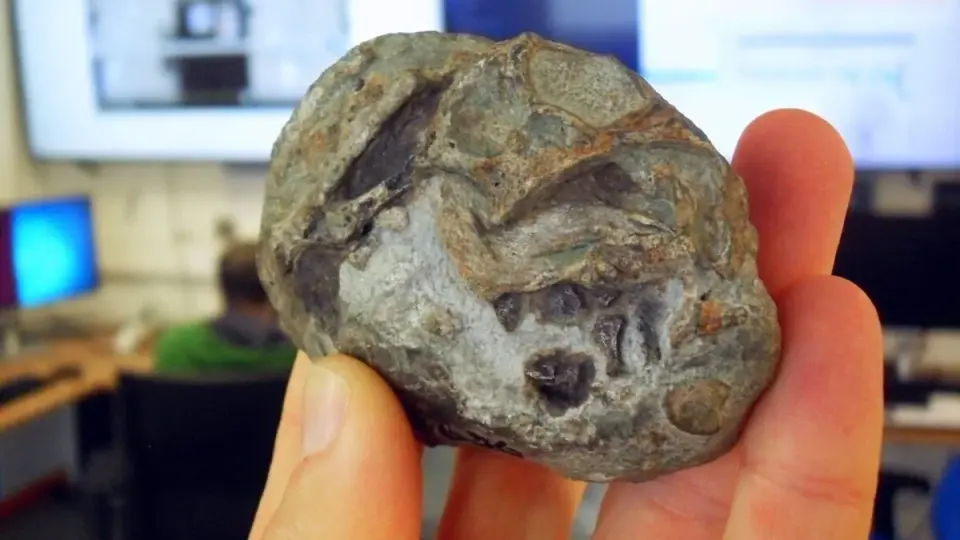
New ESRF X-ray CT analysis of a Lystrosaurus egg and embryo shows these proto-mammals laid large, soft-shelled eggs; the precocial hatchlings could feed themselves and reproduce, and the eggs’ low surface-area-to-volume ratio would resist desiccation, helping Lystrosaurus surge after the mass extinction and dominate post-extinction ecosystems.
- The Cockroach of Dinosaurs Likely Survived Extinction Because of Its Big Wet Eggs Gizmodo
- This 250-million-year-old fossil proves mammal ancestors laid eggs CNN
- 250-Million-Year-Old Embryonated Dicynodont Egg Found in South Africa Sci.News
- Strange mammal ancestor laid huge, leathery eggs — and it was key to surviving the world's worst mass extinction Live Science
- X-Rays Reveal First Evidence That Mammal Ancestors Laid Eggs ScienceAlert
Want the full story? Read the original reporting
Read on Gizmodo