
Earth’s Day Lengthening Hits Unprecedented Pace as Oceans Grow
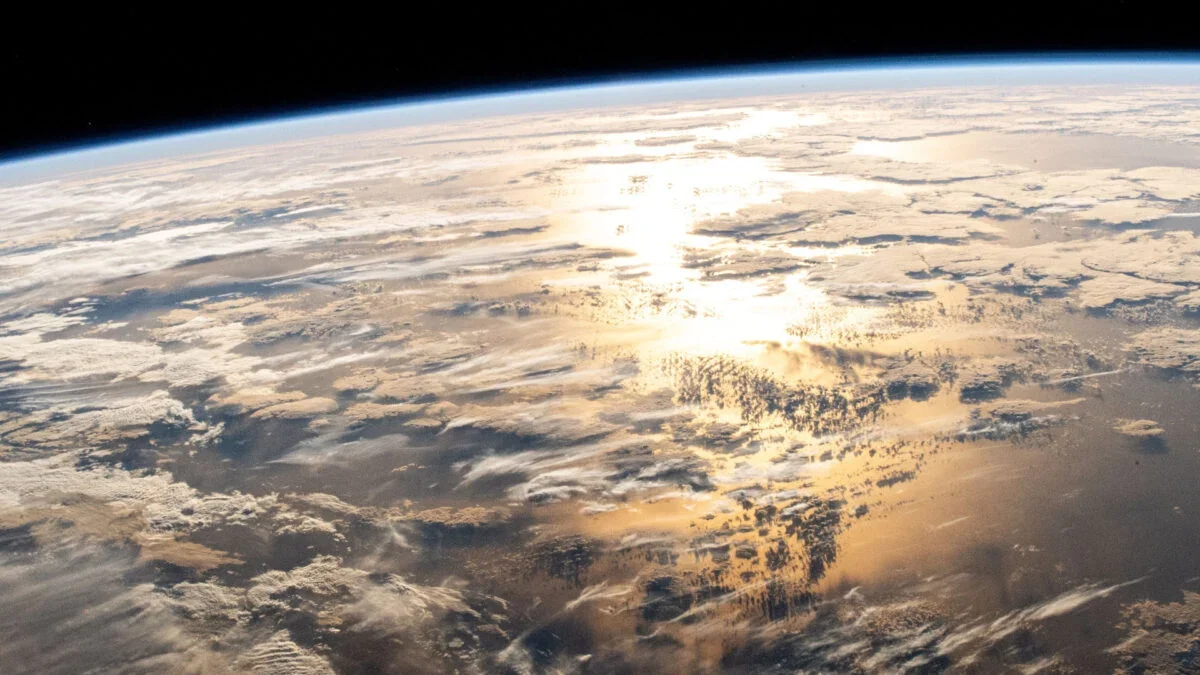
TL;DR
A new study using benthic foraminifera fossils and a physics‑informed deep‑learning model finds Earth’s rotation is slowing at its fastest rate in millions of years due to climate-driven continental‑ocean mass redistribution. From 2000–2020, the length of a day increased by about 1.33 milliseconds per century, the most rapid slowdown since the Late Pliocene. The extra ocean mass near the equator drags on Earth’s rotation, and researchers say by the end of the 21st century climate change could affect day length even more than the Moon, with even millisecond changes impacting precise navigation.
Topics:scienceclimate-change#climate-change#earth-science#foraminifera#machine-learning#sea-level-rise
- Earth’s Spin Is Slowing at a Pace Not Seen in Millions of Years—and You Can Guess Why Gizmodo
- Days really are dragging! Length of days on Earth is increasing at an 'unprecedented' rate - and scientists say climate change is to blame Daily Mail
- Human Activity Is Actually Making Earth’s Days Longer ZME Science
- Rising sea levels are lengthening Earth’s days at an unprecedented rate R&D World
- Earth days are getting longer. It has not happened in 3.6 million years WION
Want the full story? Read the original reporting
Read on Gizmodo