
Desert Heat Unpacked: Why Deserts Get So Hot and How Climate Change Is Shaping It
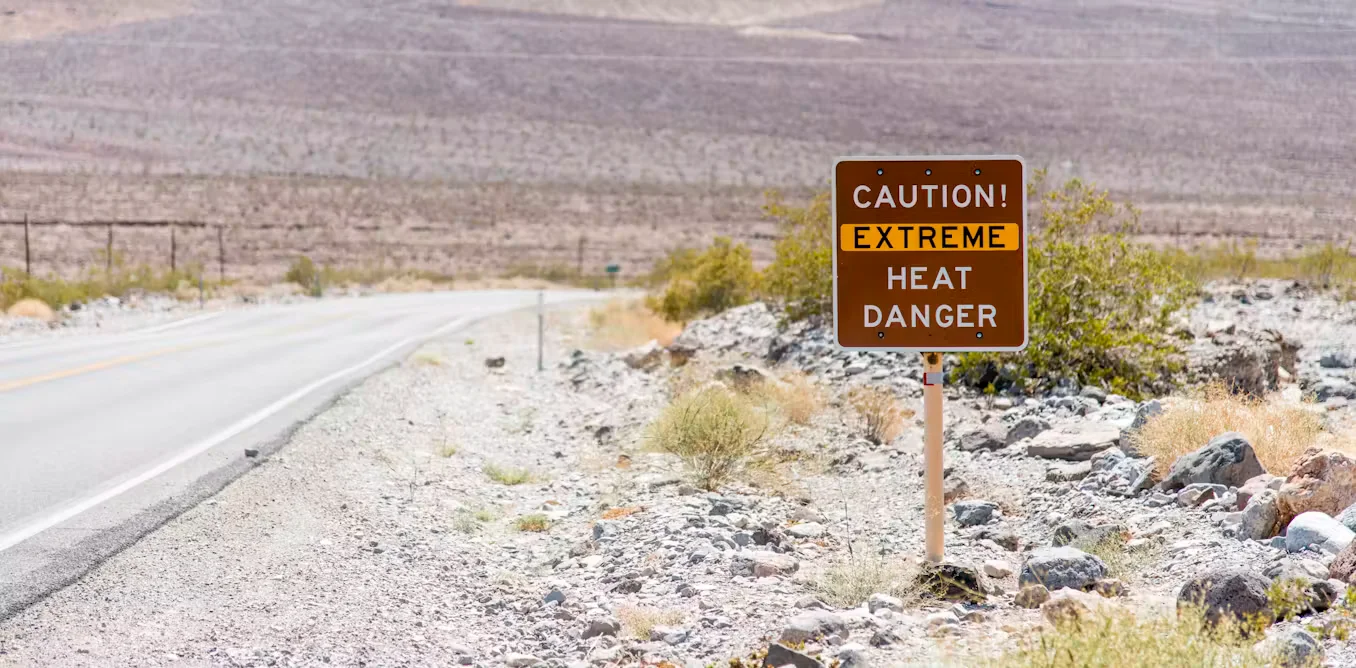
Deserts are defined by receiving very little precipitation (less than 250 mm per year), not by temperature, and they occur around 30 degrees north and south due to global atmospheric circulation. The hottest air on Earth has been recorded in Death Valley (134°F/56.7°C), while the hottest ground temperature was in Iran’s Lut Desert (177.4°F/80.8°C). Deserts stay scorching because (1) dry air means few clouds to block sunlight, so the sun heats the ground directly; (2) sand and rock have low specific heat, so they heat up quickly and cool fast at night; (3) little evaporation due to sparse plant cover means minimal evaporative cooling. Global warming is intensifying desert heat, making deserts hotter, drier, and more prone to desertification, though some regions may green if shifting wind patterns bring more rainfall. The piece also highlights the broader link between atmospheric circulation and desert locations, and features a Curious Kids Q&A to encourage questions about climate and deserts.
Reading Insights
0
36
13 min
vs 14 min read
94%
2,704 → 157 words
Want the full story? Read the original article
Read on The Conversation