
Patagonian Giant Bumblebee Named Invertebrate of the Year Amid Invasive Threats
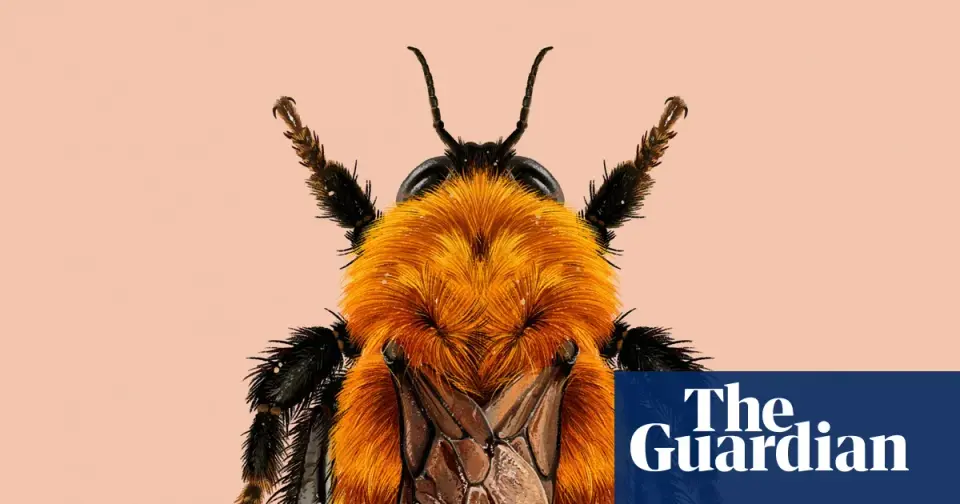
Bombus dahlbomii, the largest bumblebee species, has been nominated for Invertebrate of the Year due to its critical role in pollinating native Patagonian plants. However, its population is rapidly declining in Argentina and Chile because of competition from invasive European bumblebees introduced for agriculture, which also spread novel pathogens. Conservationists describe the species as a 'panda of the insect world' due to its endangered status and unique ecological niche.
Key points
- Bombus dahlbomii is the largest of approximately 250 bumblebee species, with females reaching 4cm in length and weighing up to 1.5g.
- The species is endemic to the temperate forests of Patagonia in Argentina and Chile, where it pollinates native plants like the Peruvian lily and Chilean bellflower.
- Unlike most bees, the moscardón can detect red flowers due to a specialized receptor system, allowing it to visit red Chilean bellflowers that other bees typically avoid.
- Populations have declined sharply since the 1980s due to the introduction of invasive European bumblebees, specifically the ruderal and buff-tailed species, which were imported for commercial pollination.
- Invasive bumblebees not only outcompete the native species but also introduce novel pathogens and diseases, while simultaneously aiding the spread of invasive European plants like broom.
- Researcher Anton Gradišek of Slovenia nominated the species, noting that field observations now show only a handful of individuals, highlighting its critical endangerment.
Background
Recent coverage in our archive has highlighted various insect behaviors and conservation efforts, such as studies on bumblebee taste preferences suggesting sentience and the global migration patterns of the wandering glider dragonfly. The current focus on Bombus dahlbomii extends these themes by examining the specific impacts of invasive species on endemic pollinators in South America. While previous reports noted general biodiversity concerns, this nomination specifically addresses the ecological disruption caused by agricultural interventions in Patagonia.
Why it matters
The decline of Bombus dahlbomii illustrates the unintended consequences of introducing non-native species for agricultural purposes. As a key pollinator for endemic plants, its loss threatens the stability of local ecosystems and the reproduction of other species dependent on these plants. The situation underscores the difficulty of reversing invasive species impacts once they become widespread, serving as a cautionary example for global biodiversity conservation strategies.
What to watch
The Guardian is profiling nominated invertebrates from August 3 to 12, after which public voting will open to select the final Invertebrate of the Year. Researchers are continuing to study the endangered bumblebee using bioacoustics to better understand its behavior and population status in the field.
Want the full story? Read the original reporting
Read on The Guardian