Tag

Pollinators

All articles tagged with #pollinators

Nectar with a Buzz: Ethanol Found in Flowers Used by Pollinators
science17 hours ago

Nectar with a Buzz: Ethanol Found in Flowers Used by Pollinators

UC Berkeley researchers found ethanol in the nectar of 26 of 29 plant species, meaning bees and hummingbirds regularly ingest tiny amounts of alcohol as they forage; most levels are trace, with one sample at about 0.056% ethanol. For hummingbirds, this could amount to roughly the equivalent of a human one alcoholic drink per day; experiments show they tolerate modest alcohol but avoid higher concentrations, and feathers contain a metabolite indicating alcohol processing. The findings suggest dietary ethanol is widespread and may subtly affect pollinator behavior, with ongoing studies comparing intake across species.

Hybrid California Honeybees Show Natural Edge Against Varroa Mites
science3 days ago

Hybrid California Honeybees Show Natural Edge Against Varroa Mites

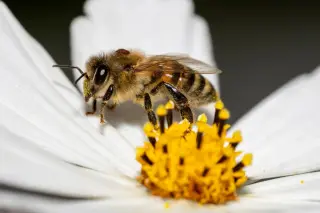
UC Riverside tracked 236 colonies from 2019–2022 and found locally adapted hybrid California honeybees maintain lower Varroa mite loads—about 68% fewer mites and five times less likelihood of needing chemical treatments—than commercial queens. Lab tests also showed Varroa mites are less attracted to larvae from hybrid bees, especially around seven days old, hinting at a genetic defense formed early in development. The bees aren’t fully resistant, and researchers aim to identify the traits for future breeding to reduce chemical reliance and bolster global pollinator health.

Spring Garden Wins: Rabbit-Resistant Choices and Smart Planting
lifestyle1 month ago

Spring Garden Wins: Rabbit-Resistant Choices and Smart Planting

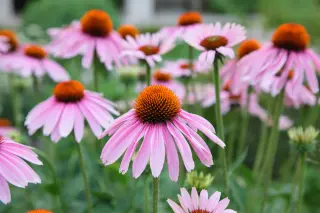
Gardening expert Dave Epstein answers readers’ questions on tackling critters and selecting spring plants, noting mid-April is prime for planting perennials, trees and shrubs while avoiding warm-season crops. He highlights rabbit-resistant options like echinacea, goldenrod and New England asters, and suggests measures such as fencing around vegetable beds to deter critters, plus tips that support pollinators during the season.

Ithaca cemetery hides a 5.5-million-bee underground city
science1 month ago

Ithaca cemetery hides a 5.5-million-bee underground city

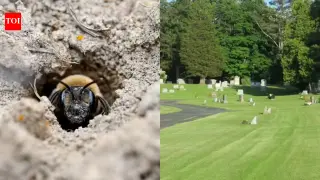
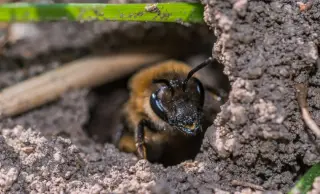
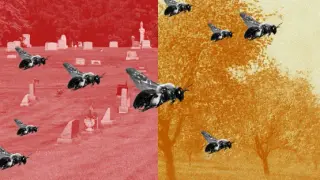
Researchers find Ithaca’s East Lawn Cemetery hosts about 5.5 million Andrena regularis ground-nesting bees—one of the world’s largest known aggregations—estimated using emergence traps. The study, highlighting cemeteries as biodiversity refuges and the importance of wild pollinators for crops, also details emergence timing, brood parasitism by nomad bees, and a new global citizen-science project to document such aggregations.

Farm Fungicide Linked to Insect Decline
environment11 months ago

Farm Fungicide Linked to Insect Decline

Research shows that the widely used fungicide chlorothalonil, common in Australian agriculture, significantly harms beneficial insects like fruit flies even at low levels, potentially contributing to the global insect decline known as the 'insect apocalypse.' The study highlights the need for more sustainable farming practices and further research on chemical impacts on non-target species.

Deadheading Bee Balm for Continuous Summer Blooms
gardening11 months ago

Deadheading Bee Balm for Continuous Summer Blooms

Deadheading bee balm throughout the summer prolongs its blooming period, keeps the plant neat, and promotes healthier growth by redirecting energy from seed production to new flower buds. It is best to deadhead regularly once flowers fade, using sharp pruning shears, and can also help prevent powdery mildew and unwanted reseeding. The process is simple and can be incorporated into regular garden maintenance for more vibrant and extended blooms.

Urban Wildflower Patches Rival Natural Meadows for Insect Support
environment1 year ago

Urban Wildflower Patches Rival Natural Meadows for Insect Support

A study from Warsaw University, published in Ecological Entomology, reveals that small urban wildflower patches can support pollinators like butterflies, bees, and hoverflies as effectively as natural meadows. Despite fewer butterflies in urban areas, the diversity of species remains comparable, suggesting that urban wildflower meadows can help mitigate insect decline and enhance biodiversity in cities.

The Environmental Impact of Bees Killed by Cars
environment1 year ago

The Environmental Impact of Bees Killed by Cars

A new study published in the journal Sustainable Environment reveals that millions of bees are killed annually by cars in the U.S., posing significant threats to the environment and economy. Researchers in Utah used sticky traps on car bumpers to estimate bee casualties, finding that a single 230-mile trip could kill up to 175 bees. With bees being crucial pollinators for about a third of the world's food supply, their declining populations, exacerbated by road collisions, could have severe ecological and economic consequences. The study suggests planting vegetation on road sides rather than medians to help mitigate bee deaths.