
US West Loses 300 Glaciers Since 1960s as Warming Accelerates Ice Loss
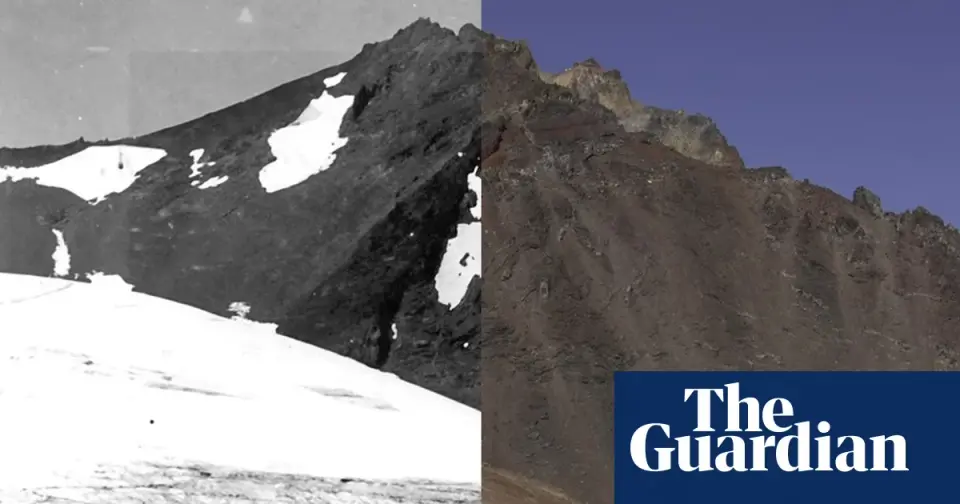
A new study reveals that approximately 300 glaciers in the lower 48 US states have functionally disappeared since the 1960s, with total glacial area shrinking by one-third. Rising temperatures and reduced snowfall are accelerating this loss, threatening water supplies and ecosystem stability across the American West.
Key points
- Around 300 glaciers in the lower 48 states have vanished, defined as shrinking to the size of two football fields and ceasing movement.
- The total area of glaciers in the US West has decreased by 33% since the 1960s, with the rate of loss accelerating due to rising temperatures.
- Smaller, south-facing glaciers at lower elevations, particularly in the Sierra Nevada and Cascade ranges, are experiencing the most rapid shrinkage.
- Most remaining large glaciers are projected to disappear within the next 50 years, with only diminished remnants likely to persist on peaks like Mount Hood and Mount Rainier by 2100.
- Glacier loss threatens regional water supplies for agriculture and drinking, as well as alpine ecosystems, while contributing to broader global sea-level rise.
Background
This development follows recent reports of significant glacial ice loss in Switzerland, where nearly 20% of ice was lost in five years due to record heat. Additionally, a catastrophic glacier collapse in Nepal in August 2026 killed over 1,300 people, highlighting the immediate dangers of destabilizing ice. Global studies also indicate that polar ice sheets have shed over 11 trillion tons of ice since 1979, contributing to rising sea levels.
Why it matters
The disappearance of these glaciers represents a tangible and accelerating impact of the climate crisis on the US West. Beyond the loss of scenic landscapes, this retreat threatens critical water resources for agriculture and drinking, exacerbates drought risks, and destabilizes mountain terrain, posing safety hazards for residents and visitors. The findings underscore the urgency of reducing emissions to slow further loss, although restoration may take centuries.
What to watch
Scientists expect the remaining glaciers to continue shrinking rapidly, with most likely gone by 2100. This will intensify water scarcity issues in the US West and increase the risk of sudden, dangerous terrain collapses. Global efforts to reduce emissions are crucial to slowing the rate of loss, though the process of halting or restoring glaciers is expected to be extremely slow.
Want the full story? Read the original reporting
Read on The Guardian